How Heat Affects Ceramics: Properties & Changes
Ceramics are fascinating materials. They're not just pottery and plates. At their core, they're inorganic, non-metallic solids forged…

49 guides covering materials — reviews, sizing advice, running costs and repairs, all written from hands-on use.
Ceramics are fascinating materials. They're not just pottery and plates. At their core, they're inorganic, non-metallic solids forged…
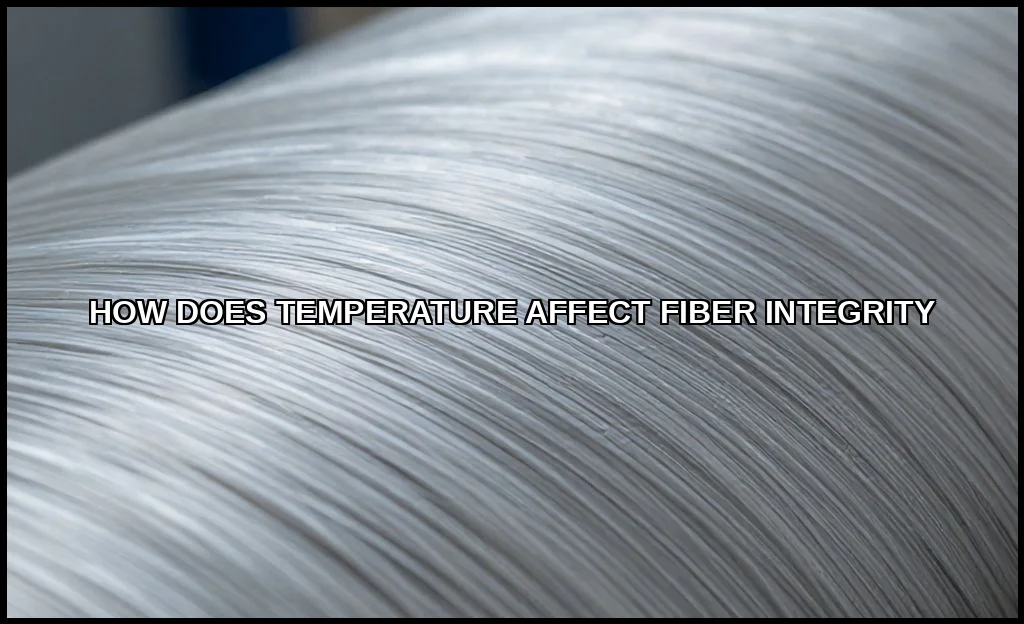
Fiber integrity is the backbone of material performance. It dictates strength, flexibility, and longevity. When temperature enters the…
Think about the last time you poured hot water into a glass. That slight crack you might hear?…
Semiconductors are the brains of modern electronics. Their performance is incredibly sensitive to temperature. From your smartphone slowing…
Stone feels permanent. It's the bedrock of our cities and the foundation of our homes. But it's not…
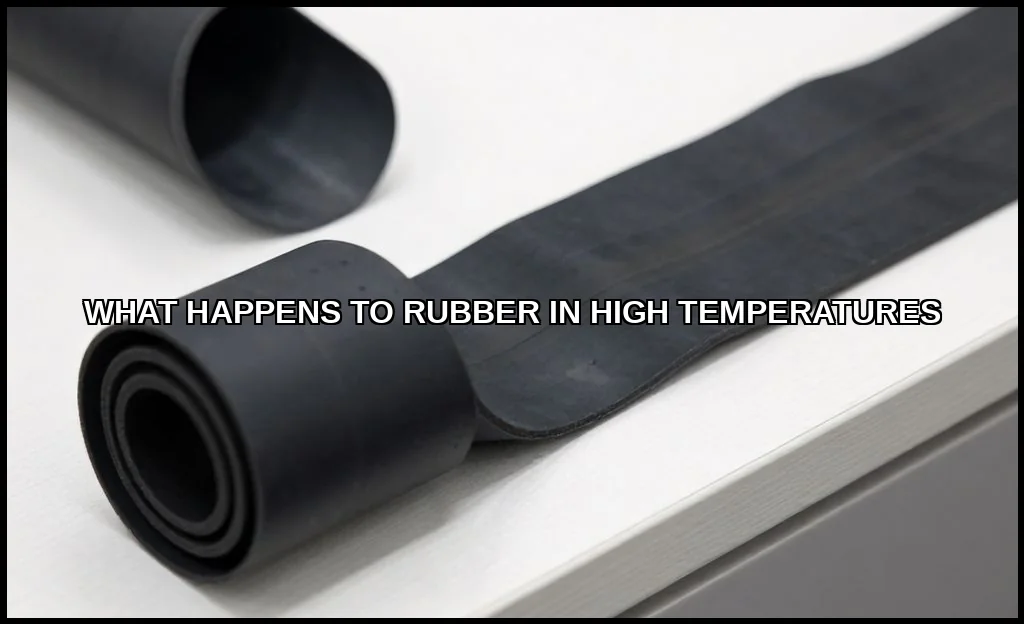
Rubber is everywhere. From your car tires to the seals in your appliances, it's a material we rely…
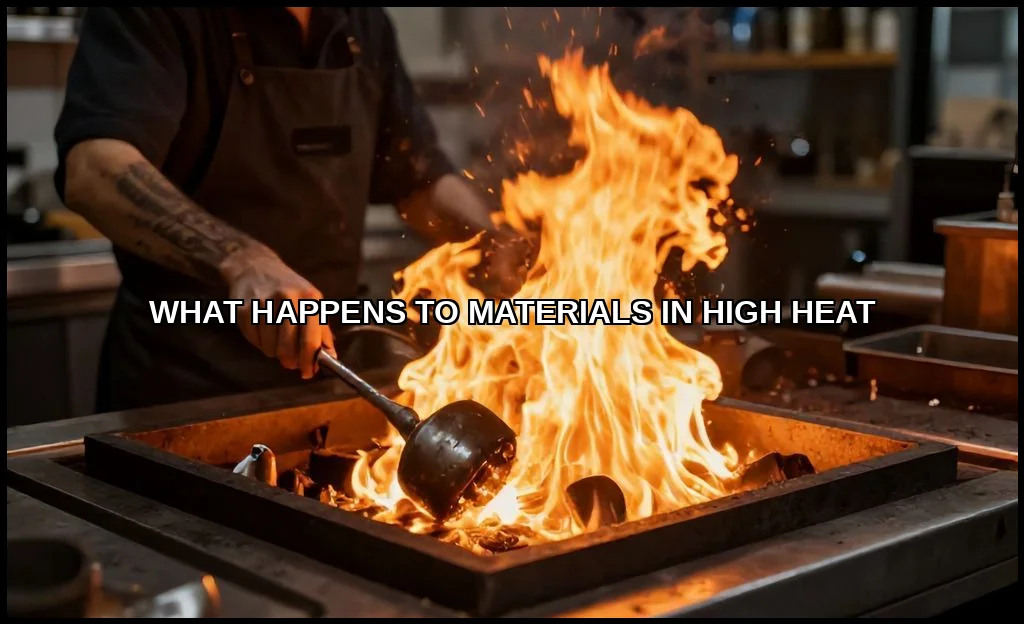
Heat is a fundamental force of change. It's not just about temperature readings; it's about energy transfer that…
You install insulation and expect it to work. Year after year, season after season. But have you ever…
Composite materials are engineering marvels. They combine fibers and resins to create structures stronger than steel and lighter…
Temperature is the invisible hand shaping every plastic part's performance. It dictates whether a component will bend, break,…
Glass is everywhere. From your smartphone screen to the windows in your home, it's a material we often…
You've got the perfect color picked out. The brushes are clean. But if you ignore the thermometer, your…
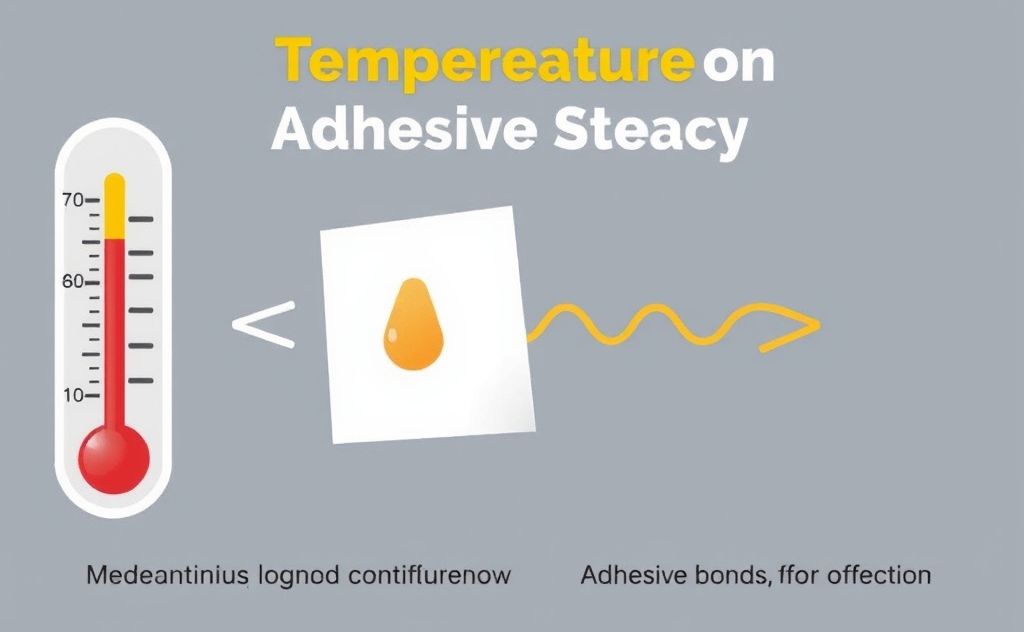
Temperature is the invisible hand shaping every adhesive bond you create. It dictates performance, longevity, and ultimately, success…
You might think of insulation as a static barrier. A fluffy blanket in your walls that just sits…
Temperature changes can cause glass to expand or contract, potentially leading to stress and fractures, impacting its stability…
Temperature changes can lead to wood expansion and contraction, affecting its structural integrity, moisture levels, and susceptibility to…
Temperature significantly affects plastic flexibility, as higher temperatures generally increase flexibility while lower temperatures can lead to brittleness…
Temperature affects metal fatigue by altering material properties, influencing stress levels, and accelerating crack propagation, leading to reduced…
Temperature changes can cause structural materials to expand or contract, leading to stress, deformation, and potential failure if…
Temperature significantly influences metal strength, as higher temperatures typically reduce strength and hardness, while lower temperatures can increase…
Temperature influences plastic deformation by altering material properties; higher temperatures generally increase ductility, allowing plastics to deform more…
Temperature changes can cause adhesives to expand or contract, affecting their bond strength, flexibility, and curing time, potentially…
Temperature affects textile strength by altering fiber properties; high heat can weaken fibers, while cold can increase stiffness,…
Temperature significantly influences fabric elasticity; higher temperatures can increase flexibility, while lower temperatures may reduce stretch and cause…
Temperature affects glass brittleness by increasing brittleness at low temperatures due to reduced molecular mobility, making it more…
Temperature significantly affects rubber elasticity, as higher temperatures generally increase flexibility, while lower temperatures can cause stiffness and…
Temperature affects composite strength by altering material properties; higher temperatures can reduce strength and stiffness, while lower temperatures…
Temperature changes can cause fibers to expand or contract, affecting their strength, elasticity, and overall performance in textiles…
Temperature changes can significantly alter the mechanical properties, flexibility, and durability of polymers, affecting their performance and applications.…
Composite materials can expand, contract, or degrade with temperature changes, affecting their mechanical properties, strength, and overall performance.…
Temperature changes can affect the conductivity, resistance, and structural integrity of electronic materials, potentially leading to performance issues…
Temperature changes can impact electronics by causing thermal expansion, affecting performance, reliability, and potentially leading to component failure…
Cold temperatures can increase metal brittleness, reduce ductility, and lead to thermal contraction, affecting structural integrity and performance…
Temperature changes can significantly affect composites by altering their mechanical properties, thermal expansion, and overall durability, impacting performance…
Temperature influences corrosion rates in metals; higher temperatures typically accelerate chemical reactions, increasing corrosion severity and potential damage.…
Temperature changes can significantly affect fiber strength, as higher temperatures often reduce tensile strength while lower temperatures may…
Cold temperatures can slow the curing process of concrete, leading to weaker strength and increased susceptibility to cracking…
Temperature changes can lead to thermal expansion or contraction in ceramics, affecting their structural integrity and stability, potentially…
Temperature significantly affects rubber durability, as extreme heat can cause it to harden and lose elasticity, while cold…
You grab a rubber hose on a winter morning and it cracks like stale bread. Three months later,…
In extreme temperatures, ceramics can undergo thermal shock, leading to cracks or fractures due to rapid expansion or…
Temperature significantly influences stone properties by altering its physical and chemical characteristics, affecting strength, durability, and thermal expansion,…
You grab a plastic container from the freezer, give it a twist, and it snaps clean in half.…
Temperature effects on building materials: Temperature fluctuations can cause expansion and contraction in building materials, leading to structural…
At high temperatures, metals typically undergo changes in their physical and mechanical properties, including increased ductility, reduced strength,…
Temperature effects on insulation materials: Insulation materials can experience changes in thermal resistance and moisture absorption at varying…
Temperature affects insulation efficiency by influencing the material's thermal resistance; as temperatures rise or fall, the performance of…
Temperature significantly influences adhesive performance by affecting the viscosity, curing time, and bonding strength; higher temperatures can accelerate…
Temperature affects plastic stability by influencing its mechanical properties, where higher temperatures can lead to softening, reduced tensile…