Temperature changes can cause adhesives to expand or contract, affecting their bond strength, flexibility, and curing time, potentially leading to failure in applications.
Adhesives are sensitive to temperature fluctuations, which can dramatically alter their bonding strength, viscosity, and durability. Whether exposed to extreme heat or cold, adhesives behave differently—some become brittle, while others lose their grip. Understanding these changes ensures reliable bonds in applications ranging from industrial manufacturing to household repairs.

SENTAUR
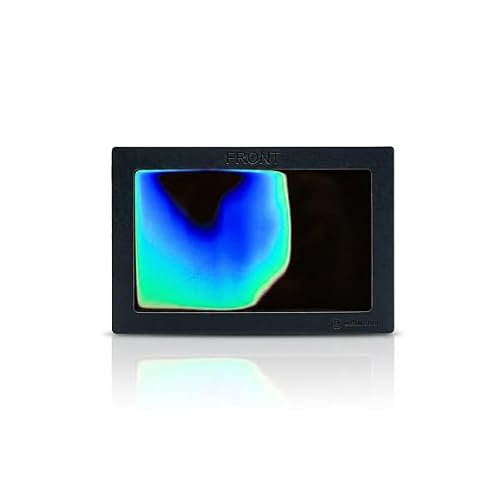
Temperature Trace Color-Changing Heat Sensitive Wall Sticker…
- Heat-Activated Color Magic:Watch TempTrace Sticker come alive when touched by a warm hand (27–33°C, matching human body temperatur…
- Cut, Stick & Create Your Way:Sized at 10"x12", this sticker is easy to cut into any shape you want — hearts, stars, circles, you n…
- Clear, Responsive Color Change That Lasts:Crafted from high-quality thermo-reactive material, this sticker responds instantly to y…
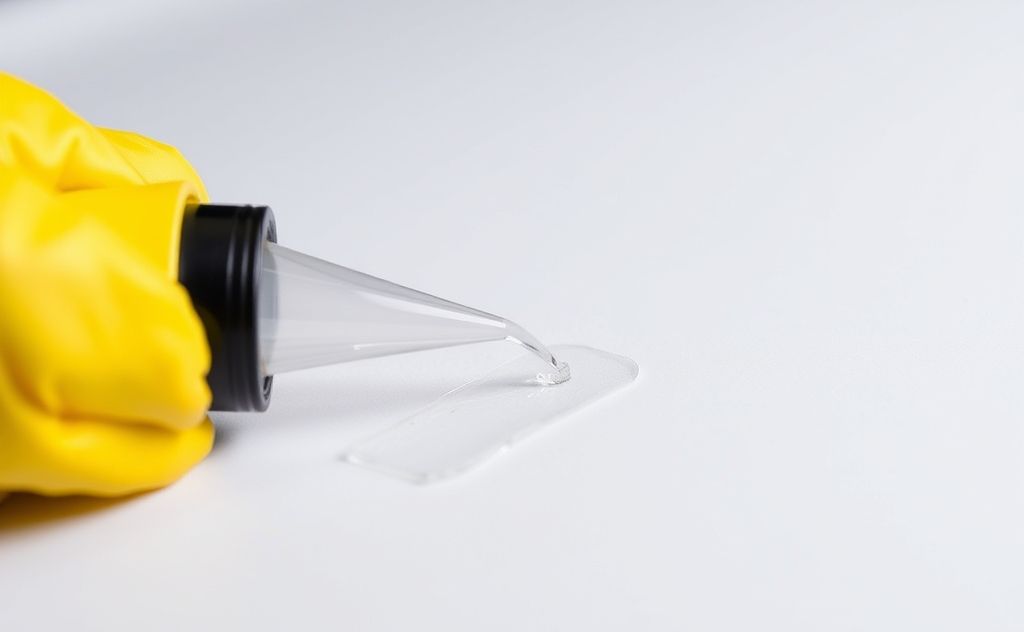
How Cold Temperatures Impact Adhesives
Cold temperatures can weaken adhesives, making them brittle or less effective. Below their ideal operating range, many adhesives struggle to form strong bonds or may fail entirely.
Common Issues in Cold Conditions
- Spray adhesives: May sputter or apply unevenly.
- Water-based adhesives: Can freeze, becoming unusable.
- Extended drying times: Some adhesives take much longer to set.
For example, storing adhesives on cold concrete floors can reduce their effectiveness. Instead, keep them on pallets or shelves in a temperature-controlled space.
How to Restore Cold Adhesives
If an adhesive gets too cold, gradual warming can often restore its performance. Avoid direct heat sources like heaters, which can damage the adhesive or create safety hazards. Instead:
- Immerse the container in warm (not boiling) water for 15 minutes.
- Gently roll the canister to mix the adhesive.
- Let it reach room temperature before use.
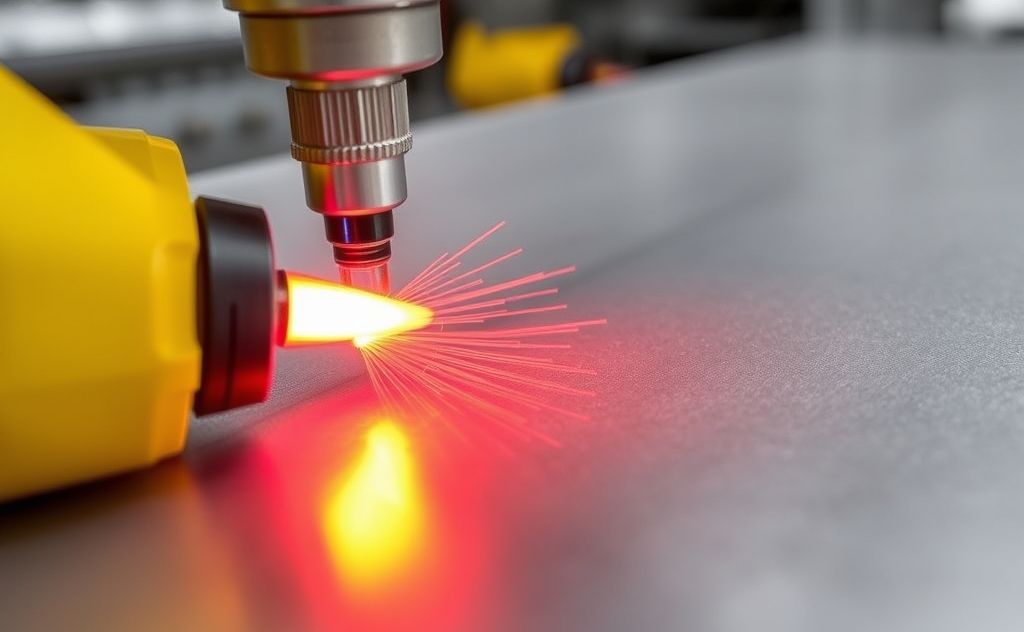
How Heat Affects Adhesives
High temperatures can soften adhesives, reducing their strength and elasticity. Some adhesives, like hot melt glue, are designed to melt when heated, but excessive heat can still degrade their performance.
Key Heat-Related Problems
- Reduced bond strength: Heat weakens many adhesives, causing bonds to fail.
- Increased viscosity: Some adhesives become too runny when overheated.
- Loss of elasticity: High heat can make adhesives brittle and prone to cracking.
For instance, built-in gas heaters in industrial settings can expose adhesives to extreme temperatures, requiring heat-resistant formulations.
Glass Transition Temperature (Tg)
The glass transition temperature (Tg) is a critical factor in adhesive performance. Below Tg, adhesives are rigid; above it, they soften. For example:
| Adhesive Type | Typical Tg Range |
|---|---|
| Silicone | -115°C to -40°C |
| Epoxy | 30°C to 100°C |
Choosing an adhesive with the right Tg ensures stability in your application’s temperature range.
Best Practices for Adhesive Storage and Use
To maintain adhesive performance, follow these guidelines:
- Store in a climate-controlled area: Keep adhesives between 15°C and 25°C (59°F–77°F).
- Avoid temperature shocks: Sudden changes can degrade adhesive quality.
- Check manufacturer specs: Some adhesives, like water heater thermostat adhesives, have specific temperature tolerances.
For outdoor applications, consider adhesives designed for thermal cycling, such as those used in hot melt industrial adhesives.
Choosing the Right Adhesive for Temperature Fluctuations
Different adhesives perform better under specific conditions:
- Cold environments: Use flexible adhesives like polyurethanes.
- High-heat applications: Epoxies or silicones are more stable.
- Variable conditions: Hybrid adhesives offer balanced performance.
For example, in automotive applications, adhesives must withstand both summer heat and winter cold without cracking or losing adhesion.
By understanding how temperature affects adhesives, you can select the right product and storage methods to ensure long-lasting, reliable bonds.
Related pick: Check today's price on Amazon

I am a mechanical engineer and love doing research on different home and outdoor heating options. When I am not working, I love spending time with my family and friends. I also enjoy blogging about my findings and helping others to find the best heating options for their needs.
Related guides

How Temperature Impacts Insulation Efficiency in Homes
Temperature affects insulation efficiency by influencing the material's thermal resistance; as temperatures rise or fall, the performance of…
How Temperature Changes Metal Strength: A Complete Guide
Temperature significantly influences metal strength, as higher temperatures typically reduce strength and hardness, while lower temperatures can increase…
How Temperature Changes Make Glass Brittle or Flexible
Temperature affects glass brittleness by increasing brittleness at low temperatures due to reduced molecular mobility, making it more…