

Temperature effects on insulation materials: Insulation materials can experience changes in thermal resistance and moisture absorption at varying temperatures, leading to reduced effectiveness, potential degradation, and altered physical properties, which can affect overall energy efficiency and performance in buildings.
Temperature changes significantly affect insulation materials, altering their performance, durability, and efficiency. Understanding these effects helps homeowners and builders choose the right insulation for their climate and needs.

Cedolio
Cedolio 24" x12"x1" (Thick) Ceramic Fiber Blanket…
- Ceramic Fiber Insulation is high-temperature resistance, insulated, and fireproof. It is rated to 2400F so that it can maintain co…
- The insulation blanket has high quality, good flexibility and tear resistance. This fiber insulation is flexible, easy to cut and…
- Each is made of rockwool acoustic mineral wool insulation odorless. It has polar thermal conductivity,non-conductive, and good sou…
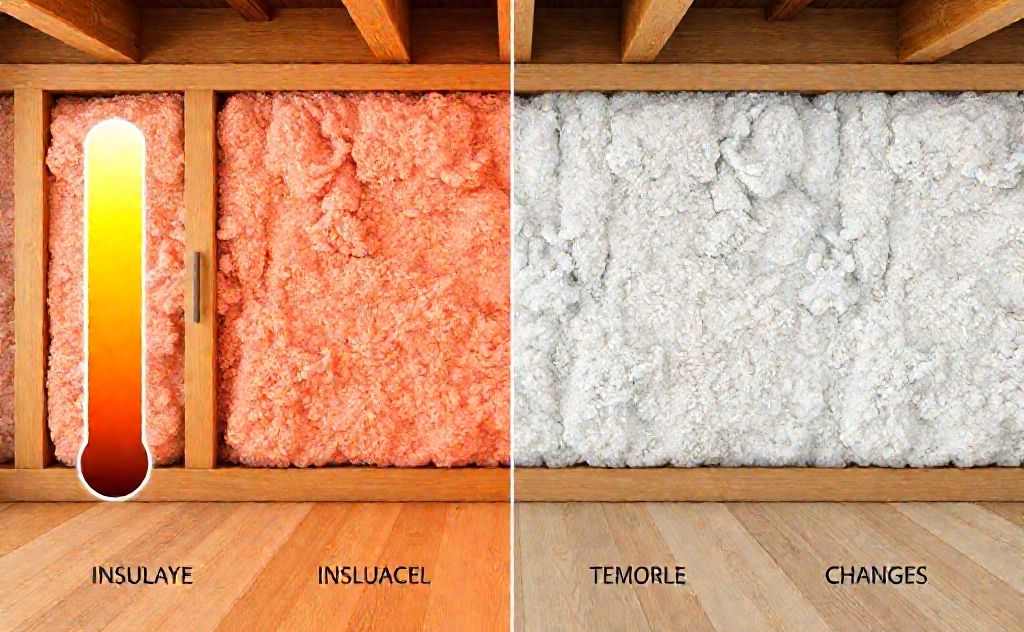
How Temperature Affects Insulation Performance
Insulation materials work by resisting heat flow, measured as R-value. Temperature changes impact this resistance in different ways:
High Temperature Effects
- Reduces R-value in most materials
- Causes expansion and potential cracking
- Accelerates material degradation
Low Temperature Effects
- Maintains or slightly improves R-value
- Can make some materials brittle
- Reduces thermal bridging effects
Material-Specific Temperature Responses
| Material | High Temp Effect | Low Temp Effect |
|---|---|---|
| Fiberglass | Minimal impact up to 450°F | Maintains performance |
| Cellulose | Fire risk above 300°F | Settles less in cold |
| Spray Foam | Can off-gas at high temps | Becomes more rigid |
| Mineral Wool | Resists up to 1200°F | No significant change |
Extreme Temperature Considerations
In very cold climates, proper insulation prevents issues like frozen pipes. Space heaters can help prevent freezing, but insulation remains the primary defense.
For hot climates, radiant barriers work best. As noted in Energy.gov’s insulation guide, these reflective materials reduce heat gain effectively.
Installation Factors
- Compressed insulation loses effectiveness
- Moisture reduces R-value in cold
- Thermal bridging increases in temperature extremes
Long-Term Temperature Effects
Repeated temperature cycling causes:
- Material fatigue in rigid foams
- Settling in loose-fill insulation
- Potential moisture accumulation
Polyurethane insulation shows particular vulnerability. A study on lead insulation materials found polyurethane degrades quickly under thermal stress.
Choosing the Right Insulation
Consider these factors for temperature extremes:
For Cold Climates
- Higher R-value per inch
- Moisture resistance
- Air sealing properties
For Hot Climates
- Radiant barrier properties
- Reflective surfaces
- Ventilation compatibility
In homes with infrared heating systems, insulation needs differ from conventional heating.
Maintenance in Temperature Extremes
Regular checks should include:
- Moisture detection
- Compression assessment
- Thermal imaging for gaps
Proper maintenance ensures insulation performs optimally regardless of outdoor temperatures.
Related pick: Check today's price on Amazon

I am a mechanical engineer and love doing research on different home and outdoor heating options. When I am not working, I love spending time with my family and friends. I also enjoy blogging about my findings and helping others to find the best heating options for their needs.
Related guides
How Temperature Changes Affect Your Home’s Insulation
You install insulation and expect it to work. Year after year, season after season. But have you ever…
How Temperature Changes Affect Fibers in Heaters and Materials
You've seen it happen. You pull a polyester shirt from the dryer and the collar has shrunk into…

How Extreme Cold Transforms Materials: Brittle Fractures to Battery Failures
You grab a plastic container from the freezer, give it a twist, and it snaps clean in half.…
