

Temperature changes can lead to wood expansion and contraction, affecting its structural integrity, moisture levels, and susceptibility to decay and pests.
Wood’s durability varies dramatically with temperature fluctuations. While it’s naturally resilient, extreme heat and cold alter wood’s cellular structure, moisture content, and mechanical properties in ways that affect long-term performance. Understanding these thermal effects helps select the right wood species and protective measures for any climate.

Dynatex
Dynatex .70 oz Super Glue Instant Adhesive…
- Instant Bonding Performance: Bonds close-fitting parts in seconds with fast-setting cyanoacrylate formula providing quick strong a…
- Wide Material Compatibility: Instantly bonds glass metals plastics and rubber including aluminum copper brass steel vinyl PVC poly…
- Transparent and Superior Strength: Forms a clear invisible bond that is stronger and more resistant than standard super glues with…
How Heat and Cold Affect Wood’s Physical Properties
Temperature impacts wood through both direct thermal effects and indirect moisture changes. The relationship follows predictable patterns:
High Temperature Effects
- Accelerates moisture loss leading to shrinkage cracks
- Weakens lignin bonds between wood fibers
- Increases UV degradation at surface layers
- Reduces impact resistance in hardwoods
Low Temperature Effects
- Causes cellular water to freeze and expand
- Increases brittleness (especially below -40°C)
- Improves softwood impact resistance
- Reduces fungal decay risks
| Temperature Range | Effect on Hardwoods | Effect on Softwoods |
|---|---|---|
| -196°C (Liquid Nitrogen) | 30.6% strength loss (beech) | 15-20% strength gain (pine) |
| -40°C (Arctic Winter) | Moderate brittleness | Peak impact resistance |
| 20°C (Room Temp) | Baseline performance | Baseline performance |
| 50°C (Hot Climate) | Surface checking begins | Moderate UV degradation |
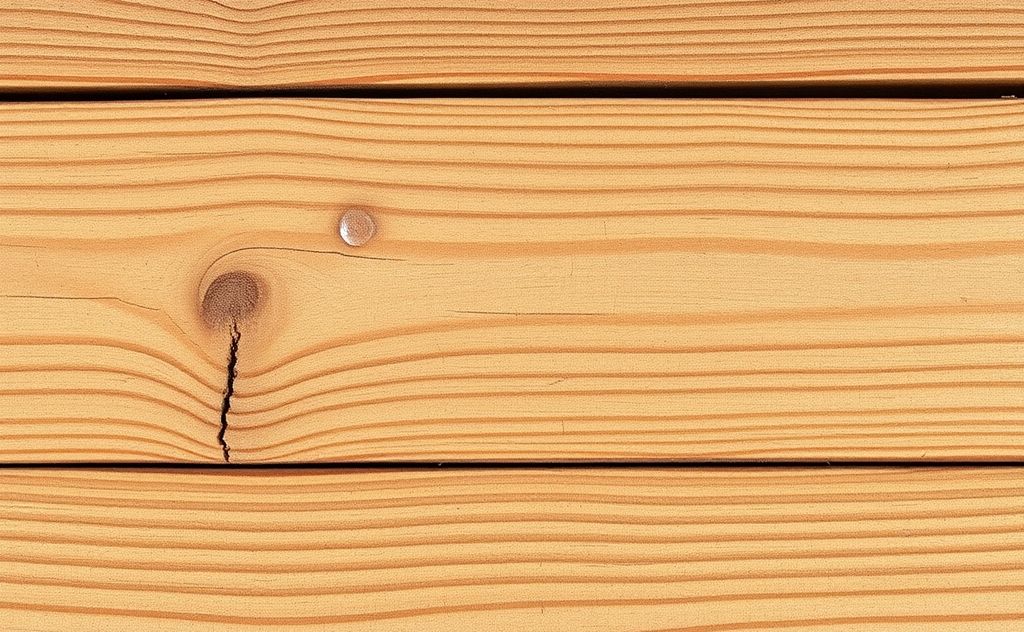
Moisture: The Hidden Temperature Effect
Temperature changes wood durability primarily by altering moisture equilibrium. Warm air holds more water vapor, while cold air dries wood. This moisture cycling causes:
- Expansion/contraction stresses
- Surface checking and end grain splits
- Warping across grain directions
According to Timber Cladding Solutions, wood maintains equilibrium moisture content (EMC) by absorbing/releasing water vapor until balanced with ambient humidity. This process never stops.
UV Radiation and Thermal Degradation
High temperatures often accompany intense sunlight. UV radiation breaks down lignin – wood’s natural glue – through photochemical reactions. This:
- Creates surface gray patina
- Reduces structural integrity
- Increases water absorption
Thermal modification processes like thermowood treatment can stabilize wood against these effects by altering cell wall chemistry.
Species-Specific Temperature Responses
Best for Cold Climates
- Scots pine (impact strength +20% at -40°C)
- Northern white cedar
- Thermally modified spruce
Best for Hot Climates
- Teak (natural oils resist drying)
- Ipe (dense tropical hardwood)
- Accoya (acetylated for stability)
Protecting Wood From Temperature Extremes
Practical solutions exist for all thermal challenges:
Installation Techniques
- Allow 3-5mm expansion gaps
- Use corrosion-resistant fasteners
- Pre-acclimate wood on-site
Protective Treatments
- Penetrating oil finishes
- UV-blocking stains
- Copper-based preservatives for wet/dry cycling
Material Selection
- Vertical grain boards resist cupping
- Thermally modified woods for stability
- Composite decking for extreme climates
NASA’s use of balsa wood in spacecraft demonstrates wood’s potential when properly engineered for thermal extremes. Modern treatments like acetylation (used in Accoya) can duplicate this performance for earthly applications.
Proper design accommodates wood’s natural responses to temperature rather than fighting them. A well-detailed wood structure can last centuries in any climate – from Arctic research stations to desert resorts.
Related pick: Check today's price on Amazon

I am a mechanical engineer and love doing research on different home and outdoor heating options. When I am not working, I love spending time with my family and friends. I also enjoy blogging about my findings and helping others to find the best heating options for their needs.
Related guides

How Temperature Affects Insulation Performance
You might think of insulation as a static barrier. A fluffy blanket in your walls that just sits…

How Temperature Changes Impact Rubber Elasticity
Temperature significantly affects rubber elasticity, as higher temperatures generally increase flexibility, while lower temperatures can cause stiffness and…
How Temperature Affects Plastic Stability: Key Insights
Temperature affects plastic stability by influencing its mechanical properties, where higher temperatures can lead to softening, reduced tensile…
