Temperature changes can significantly affect fiber strength, as higher temperatures often reduce tensile strength while lower temperatures may increase brittleness in fibers.
Temperature fluctuations significantly affect fiber strength in construction materials, textiles, and industrial applications. Both extreme heat and cold alter molecular structures, changing tensile strength, flexibility, and durability. Understanding these effects helps select the right materials for specific environments.

TOPPERFUN
TOPPERFUN 10pcs Low-Temperature Printing Impact Resistant High…
- 1,75 filament-- 3d printer filament pla, greatly meet your everyday needs in design and prototyping,3d printer filament pla
- Abs filament 1,75mm-- 1,75mm filament, good shaping, strong toughness, no warping, feed smoothly and no clogging,filament 3d print…
- Filament 1,75-- 1,75mm filament is the choice for all kinds of 3d drawing and 3 and make a great 3d printing,3d pen filament 1.75m…

How Heat Weakens Fibers
Polymer Breakdown
High temperatures cause polymer chains in synthetic fibers to vibrate excessively. This breaks intermolecular bonds. For example, polypropylene fibers melt around 160°C, creating pores that reduce structural integrity.
Concrete Spalling
In construction materials like alkali-activated slag cement, rapid heating vaporizes trapped moisture. Without proper fiber reinforcement, internal pressure causes explosive spalling.
| Material | Critical Temperature | Strength Loss |
|---|---|---|
| Polypropylene | 160°C | 100% (melting) |
| PVA | 230°C | 40-60% |
| Steel Fiber | 600°C | 30-50% |
Cold Temperature Effects
Increased Brittleness
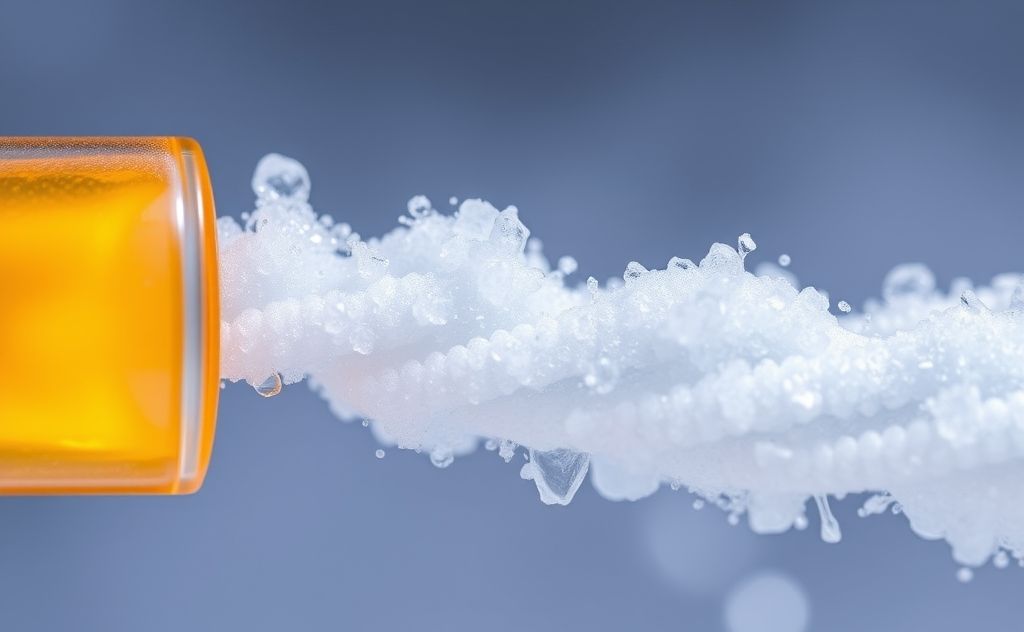
Low temperatures make fibers rigid. A study by the University of British Columbia found cold reduces muscle fiber contraction speed by 20-30%. Similar principles apply to synthetic materials.
Microcrack Formation
Thermal contraction creates stress concentrations. Repeated freeze-thaw cycles in water heater components demonstrate this effect, where metal fatigue leads to premature failure.
Fiber Reinforcement Solutions
Hybrid Fiber Blends
Combining polypropylene and PVA fibers provides both high-temperature channels and low-temperature flexibility. Research shows optimal performance between 200-400°C.
Phase Change Materials
Some advanced composites incorporate PCMs that absorb excess heat. These maintain stable temperatures longer, delaying strength degradation.
Industry-Specific Impacts
Construction Materials
Concrete with 1.5% fiber content shows 50% less spalling at 400°C compared to plain concrete. The fibers create pressure-relief pathways as they melt.
Textile Engineering
According to materials science studies, aramid fibers maintain 80% strength at 300°C, making them ideal for firefighter gear.
Automotive Components
Underhood temperatures exceeding 120°C require specialized nylon composites. These withstand heat while preventing the brittleness that occurs in cold climates.
Testing Methods
Thermogravimetric Analysis
TGA measures weight loss as temperature increases. It identifies decomposition points for different fiber types.
Differential Scanning Calorimetry
DSC detects phase transitions like melting or glass transitions. This helps predict performance changes.
For applications requiring precise temperature control, consider advanced monitoring systems to maintain optimal conditions.
Related pick: Check today's price on Amazon

I am a mechanical engineer and love doing research on different home and outdoor heating options. When I am not working, I love spending time with my family and friends. I also enjoy blogging about my findings and helping others to find the best heating options for their needs.
Related guides
How Temperature Affects Plastic Stability: Key Insights
Temperature affects plastic stability by influencing its mechanical properties, where higher temperatures can lead to softening, reduced tensile…

How Temperature Changes Make Glass Brittle or Flexible
Temperature affects glass brittleness by increasing brittleness at low temperatures due to reduced molecular mobility, making it more…
How Temperature Changes Impact Rubber Elasticity
Temperature significantly affects rubber elasticity, as higher temperatures generally increase flexibility, while lower temperatures can cause stiffness and…