

Cold temperatures can slow the curing process of concrete, leading to weaker strength and increased susceptibility to cracking if not properly managed.
Cold temperatures pose serious risks to concrete strength and durability. When temperatures drop below 40°F, concrete requires special protection during mixing, pouring, and curing to prevent structural damage. This guide explains exactly how freezing conditions affect concrete and provides proven solutions for winter construction projects.

GOODTAKE
GOODTAKE Concrete Cold Weather Accelerator – Cement…
- Ensures Concrete Performance in Cold Conditions - This professional-grade concrete accelerator is engineered to maintain optimal c…
- Easy to Use for Direct Application - Simplify your cold-weather concreting process. This powdered admixture is designed for straig…
- Precise Dosage Guidance for Various Temperatures - For optimal protection, use 15% dosage at 14°F (-10°C), 25% at -4°F (-20°C), 35…
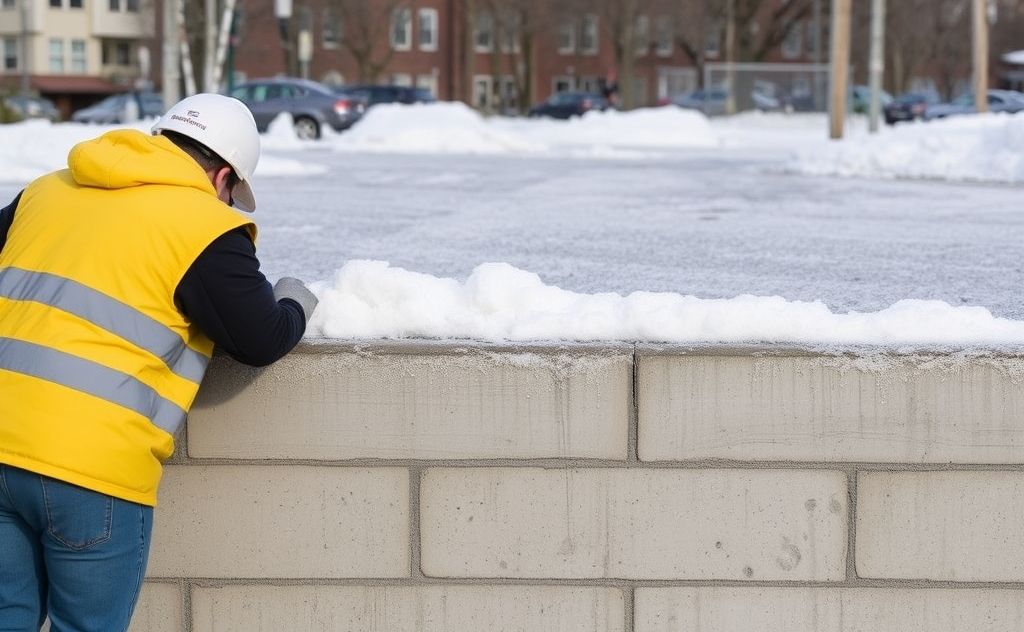
How Freezing Temperatures Disrupt Concrete Curing
Concrete gains strength through hydration – a chemical reaction between cement and water. Cold weather slows this process dramatically:
- Below 40°F: Hydration slows significantly
- 27-25°F: Hydration stops completely
- Below 25°F: Pore water freezes, expanding 9% in volume
<
This expansion creates internal pressure that can crack concrete before it gains sufficient strength. According to the American Concrete Institute, concrete that freezes during early curing can lose up to 50% of its potential strength.
Critical Temperature Thresholds
| Temperature | Effect on Concrete |
|---|---|
| Below 40°F | Protection required |
| 27-25°F | Hydration stops |
| Below 25°F | Freeze damage occurs |
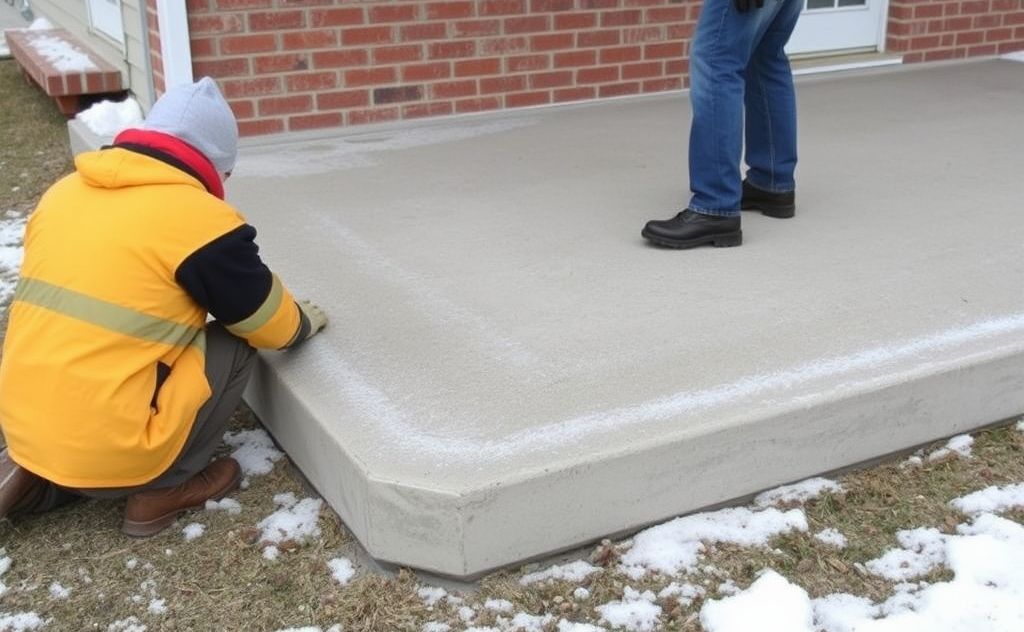
Cold Weather Concrete Protection Methods
Successful winter concreting requires maintaining proper temperatures throughout the process:
1. Pre-Pour Preparations
- Thaw subgrade using hydronic heating systems
- Preheat materials to 45-70°F
- Use windbreaks and enclosures
2. During Placement
- Maintain concrete temperature above 55°F for thin sections
- Use heated enclosures for air temperatures below 20°F
- Consider gas-fired heaters for large pours
3. Curing Protection
- Insulated blankets (minimum R-value of 1.5)
- Straw with plastic sheeting (for horizontal surfaces)
- Heated formwork (for vertical structures)
- Enclosures with thermostatically controlled heaters
Monitoring Concrete Temperature
Proper temperature monitoring ensures concrete maintains adequate heat for proper curing:
Recommended Tools:
- Infrared thermometers for surface readings
- Embedded maturity sensors for internal temps
- Ambient air thermometers
Critical Monitoring Points:
- Edges and corners (most vulnerable to freezing)
- Surface vs. core temperature differentials
- Areas near formwork or insulation seams
Special Considerations for Winter Mixes
Concrete mixes for cold weather require adjustments:
- Higher cement content (600 lbs/yd³ minimum)
- Accelerating admixtures (calcium chloride or non-chloride alternatives)
- Lower water-cement ratio (0.40 maximum)
- Air-entrainment for freeze-thaw resistance
The ASTM C94 standard provides specific guidelines for cold weather concrete mixtures.
Common Cold Weather Concrete Problems
1. Delayed Strength Gain
For every 18°F drop below 70°F, concrete takes twice as long to reach design strength.
2. Surface Scaling
Occurs when finishing begins before bleed water evaporates, creating weak surface layers.
3. Thermal Cracking
Results from rapid temperature changes exceeding 20°F in 24 hours after form removal.
Cost Considerations
Winter concrete work typically costs 15-25% more due to:
- Heating equipment rental/purchase
- Additional labor for protection measures
- Extended project timelines
- Special admixtures and mix designs
However, proper winter construction prevents costly repairs and ensures long-term durability of concrete structures.
Related pick: Check today's price on Amazon

I am a mechanical engineer and love doing research on different home and outdoor heating options. When I am not working, I love spending time with my family and friends. I also enjoy blogging about my findings and helping others to find the best heating options for their needs.
Related guides

How Temperature Affects Semiconductor Materials
Semiconductors are the brains of modern electronics. Their performance is incredibly sensitive to temperature. From your smartphone slowing…
How Temperature Changes Affect Your Home’s Insulation
You install insulation and expect it to work. Year after year, season after season. But have you ever…
How Temperature Impacts Rubber Durability & Performance
Temperature significantly affects rubber durability, as extreme heat can cause it to harden and lose elasticity, while cold…
