

Most people miss the first step: they shop by brand or BTU rating before they know the heat loss of the house. That usually costs more than the boiler itself, because an oversized boiler short-cycles, wastes fuel, and can feel worse in mild weather.
The right question is how much heat your home actually needs, whether you want space heat only or heat plus domestic hot water, and whether your venting, condensate drain, and propane supply can support a condensing unit.
High Efficiency Propane Boilers Residential
High efficiency propane boilers for homes are usually condensing models with an AFUE of 90% or higher, some reaching about 96%. Propane boilers heat water for radiators, baseboards, or radiant floors, sending warm water through your home’s heating system.
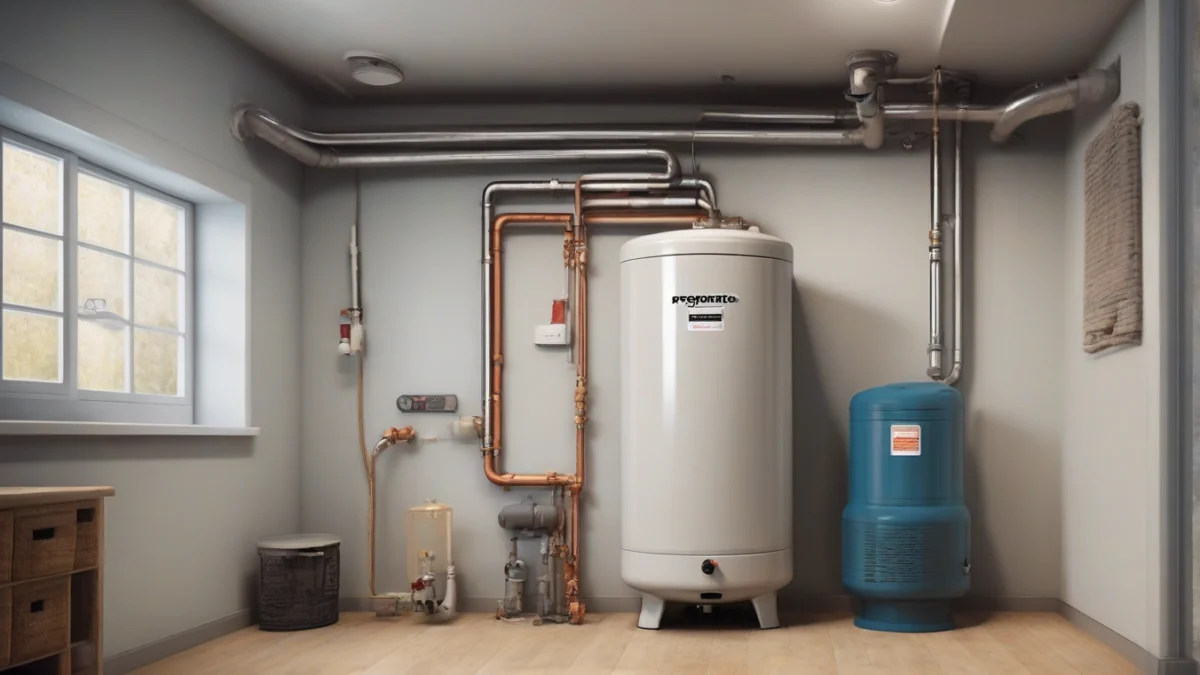
AFUE stands for Annual Fuel Utilization Efficiency and measures how much of the propane’s energy actually heats your home instead of escaping up the flue. ENERGY STAR certified gas boilers have to meet at least 90% AFUE, and propane models can be just as efficient as natural gas boilers, contrary to the common belief that propane is always less efficient.
Most high efficiency propane boilers are condensing boilers. They recover extra heat by condensing water vapor from the exhaust gases, squeezing more heat out of the fuel. This requires a low return-water temperature, usually below 130°F, a drain for the condensate, and venting materials resistant to corrosion from acidic condensate. Non-condensing boilers simply vent hot gases without capturing that extra heat, making them less efficient but simpler in installation.
Homes with hydronic systems that use baseboard heaters, radiant floor tubing, or radiators are ideal for propane boilers. These boilers deliver efficient heat through the water they warm. Unheated spaces like garages or uninsulated outbuildings usually need a different kind of heater — propane boilers are not designed to heat those effectively or safely.
Running costs depend on how hard your boiler works, how long it runs, and local propane prices. For example, a boiler rated at 150,000 BTU (about 44 kW) running at 80% capacity for 8 hours uses roughly 352,000 BTU or 103 kWh. At 17 cents per kWh, that’s about $17.50 for a full day of heating. Real costs vary with climate, insulation, and your home’s load.
A common mistake is choosing a boiler based only on BTU output. Oversized boilers short-cycle, turning on and off frequently, which wastes fuel and increases wear. Proper sizing based on your home’s heating needs avoids this and keeps fuel use efficient.
| Boiler Type | AFUE Range |
|---|---|
| Condensing propane boilers | 90% to 96% |
| Non-condensing propane boilers | 80% to 85% |
| Natural gas boilers (ENERGY STAR) | 90% or higher |
Match The Boiler To Your House
The optimal size for a high efficiency propane boiler depends on your home’s actual heat loss, not just square footage. The most efficient propane heating systems balance output closely with this heat loss to avoid wasting fuel or running short on warmth.
Heat loss calculations consider insulation quality, window count and type, climate zone, and how drafty or tight your house is. Bedrooms and square footage are rough guides but can mislead: a heavily insulated 2,000 sq ft home in a mild climate loses far less heat than an older 1,500 sq ft drafty one with many single-pane windows.
Propane hot water boiler efficiency peaks when sized properly to the heat loss and paired with emitters that return cooler water, as condensing boilers rely on this low return temperature to extract extra heat from combustion. If your system also supplies domestic hot water, consider a built-in pump or a combi boiler that matches your household’s flow rate needs.
Worked Example: Sizing for a Typical Home
Say your home is 1,800 sq ft, located in a temperate climate, with average insulation and about 10 double-pane windows. A rough heat loss estimate might be around 45,000 to 60,000 BTU per hour during peak winter conditions.
Choosing a boiler with an output range of 50,000 to 65,000 BTU per hour would cover this heat loss comfortably without oversizing. Oversizing wastes fuel and causes cycling, while undersizing leaves rooms cold.
| House Attribute | Effect on Heat Loss |
|---|---|
| Insulation quality | Higher insulation lowers heat loss |
| Number and type of windows | More windows or single-pane increase heat loss |
| Climate zone | Colder climates increase heat loss |
| House tightness | Drafty homes lose more heat |
If your family needs hot water alongside heating, a high efficiency propane boiler and water heater combo like a condensing combi boiler can save space and fuel. The Rinnai IP090199C I-SERIES Plus, for example, offers 90k BTU output with 96% AFUE and includes built-in features to handle both heating and domestic hot water efficiently.

Compare Condensing And Non-Condensing Models
Condensing propane boilers are generally worth the investment if your home’s heating system and piping can handle the cooler return water they require. They recover heat from exhaust water vapor, pushing efficiency to 90% AFUE or higher, often near 95–96%. This means more heat from each gallon of propane, lowering your energy bills and environmental impact.
A condensing boiler traps heat that normally escapes through the flue by cooling exhaust gases enough to condense water vapor and capture its latent heat. But this only works if the return water temperature is low enough—typically below 130°F—to enable condensation. Systems with high-temperature baseboards or radiators may not get return water cool enough, reducing efficiency gains.
Non-condensing models avoid this complexity by running hotter and venting exhaust gases at higher temperatures. They don’t produce condensate, so you can skip installing a condensate drain and corrosion-resistant venting. This makes them simpler to install and maintain, especially in retrofit situations or homes with older piping that can’t handle acidic condensate safely.
| Feature | Condensing Boiler | Non-Condensing Boiler |
|---|---|---|
| AFUE | 90% to 96% (high efficiency) | 80% to 85% (standard efficiency) |
| Venting | Corrosion-resistant materials, condensate drain required | Standard metal venting, no condensate |
| Condensate Drain | Yes, must be installed and maintained | No |
| Typical Fit | Modern systems with low-temp emitters (radiant floors, low-temp baseboards) | Older systems with high-temp baseboards or radiators |
| Maintenance Burden | Slightly higher due to condensate management | Lower but less efficient |
Modern condensing boilers often include modulating burners and smart controls. Modulation adjusts the flame size to match the heat demand precisely, so the boiler runs longer at low fire. This improves comfort by avoiding temperature swings and further boosts seasonal efficiency since the boiler avoids wasting fuel on short, high-fire cycles.
High efficiency propane modulating condensing boilers stand out when paired with low-temperature heating systems and proper venting. They deliver the best energy efficiency for propane, reducing fuel use and emissions. But if your heating system or installation constraints rule out condensing technology, a non-condensing boiler still provides reliable heat with simpler installation.
Deciding between condensing and non-condensing propane boilers comes down to your system’s return water temperature, venting possibilities, and willingness to manage condensate. The upfront cost for condensing models is higher, but rebates and lower fuel bills often pay it back over time. For detailed sizing and running cost advice, see Sizing and Running Costs of Propane Hot Water Boilers for Homes.
Check Installation Costs, Rebates, And Payback
Typical installation costs for a high efficiency propane boiler range from $3,500 to $7,000, depending on the boiler size, venting requirements, and whether upgrades to gas lines or electrical wiring are needed.
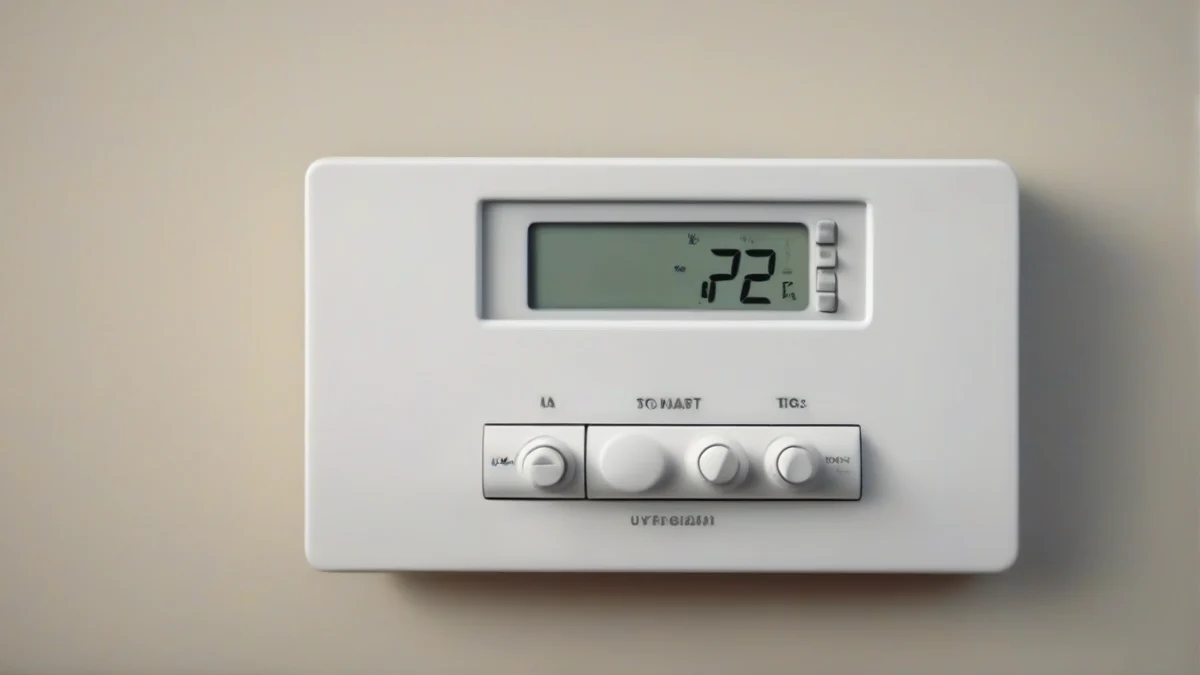
Installation involves more than just the boiler: venting materials must handle condensing flue gases, a condensate drain needs proper routing, and new controls or a thermostat upgrade often enter the picture.
Regular maintenance adds to operating costs. Plan for an annual service visit that includes a combustion efficiency check, condensate trap cleaning, and vent inspection to keep your boiler running safely and efficiently.
| Cost Item | Typical Range |
|---|---|
| Boiler unit | Varies widely by model and installation complexity |
| Venting and condensate drain | Depends on the unit and installation specifics |
| Labor and installation | Ranges based on system size and features |
| Gas line or electrical upgrades | Costs differ with maintenance scope and provider |
| Annual maintenance | Typical range for annual service visits |
Government and utility rebates vary widely by ZIP code and change frequently. State energy offices, local utilities, and manufacturers sometimes offer incentives that can offset part of the upfront cost. Checking availability before purchase is wise.
Proper maintenance extends a propane boiler’s life. Most last 15 to 25 years if serviced annually and operated as designed. Watch for signs like rising fuel bills, frequent repairs, or inconsistent heating as signals a replacement might be due.
Warranty coverage varies, but the heat exchanger warranty is key for condensing boilers since the heat exchanger handles acidic condensate that can cause corrosion. Typical warranties range from 5 to 10 years on the heat exchanger and shorter on other parts.
The most efficient propane furnaces and boilers today achieve AFUE ratings near 96%, with condensing technology. For water heating, tankless propane water heaters can provide on-demand hot water efficiently, with flow rates from about 2.6 to 9.8 gallons per minute.
Though installing a high efficiency propane boiler involves upfront costs for equipment, labor, and possible upgrades, well-maintained units yield fuel savings that improve payback over time. Rebates can help but vary widely, so plan accordingly.
Use Smart Controls Without Overcomplicating It
High efficiency hydronic propane boilers can work well with smart thermostats and home automation, but the key is how they manage heat delivery.
A digital display propane boiler simplifies setup and troubleshooting by showing system status and error codes clearly.
Smart thermostats help most when they call for smaller, steadier heat rather than big temperature swings. That means the boiler’s modulating gas valve and outdoor reset controls play a big role in reducing wear and improving comfort by adjusting the flame and water temperature precisely.
| Feature | Benefit |
|---|---|
| Modulating gas valve | Matches heat output to demand, avoiding on/off cycling |
| Outdoor reset control | Adjusts water temperature based on outdoor temperature to improve efficiency |
| Digital display | Shows operating status and fault codes for easier maintenance |
Hydronic systems with zoning and outdoor reset controls work best when they operate at lower water temperatures. This low-water-temp operation reduces cycling and improves efficiency, but your emitters—radiators, baseboards, or radiant floors—must be designed for it.
Sealed combustion and electronic ignition add safety and convenience by using outside air for combustion and eliminating the need for a constantly burning pilot light.
If you want to explore smart heating options further, high efficiency hydronic boilers smart heating solutions covers these controls in more detail.
Check Safety Before You Buy
Carbon monoxide is the primary safety risk with propane boilers, so correct installation and working CO alarms in the home are essential.
Sealed combustion boilers use outside air for combustion, which reduces backdraft risk and improves safety. Proper vent termination and adequate combustion air supply must follow the manufacturer’s manual and local codes.
High efficiency propane boilers typically have an AFUE of 90% or higher, making them an efficient choice compared to older propane furnaces, which may run closer to 80% AFUE or less.
A licensed technician should handle all gas, electrical, and venting work to ensure safety and code compliance. Never attempt these yourself.
More Questions, Answered
Are propane boilers efficient?
Are condensing propane boilers worth the investment?
What size propane boiler is optimal for my home?
Can propane boilers integrate with smart thermostats or home automation?

I am a mechanical engineer and love doing research on different home and outdoor heating options. When I am not working, I love spending time with my family and friends. I also enjoy blogging about my findings and helping others to find the best heating options for their needs.
Related guides
Gas Stove Maintenance Costs & What to Expect
Owning a gas stove is about more than just the initial purchase price. The true cost of ownership…
Gas Stove Operating Costs: What You Need to Know
The operating costs of gas stoves primarily include the price of natural gas, which averages around $1 to…
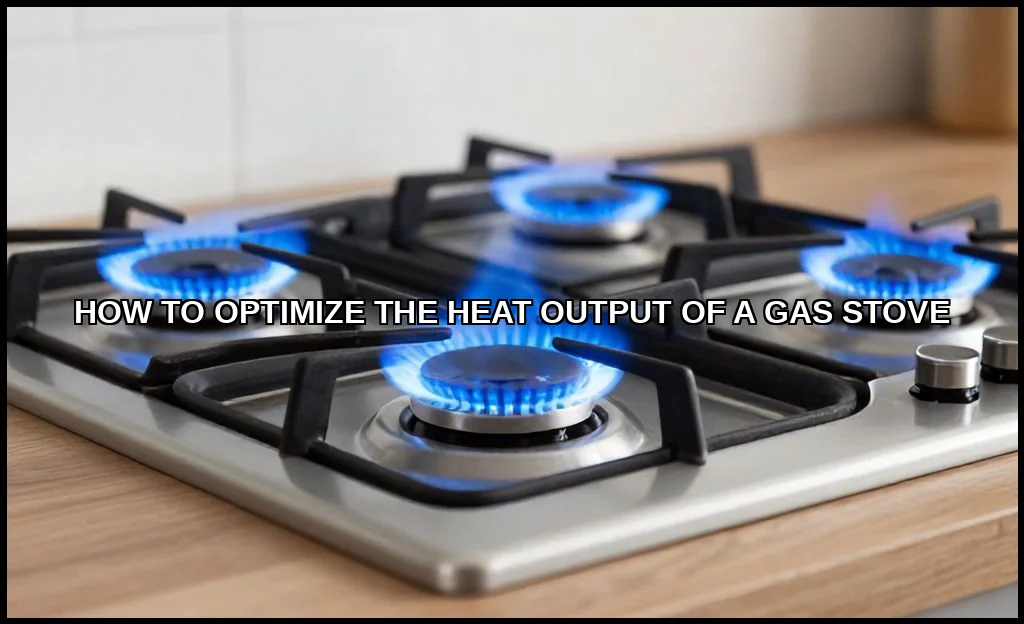
How to Optimize Your Gas Stove’s Heat Output
Your gas stove should be a reliable powerhouse, not a source of culinary frustration. When the flame is…
