Sizing and Running Costs of Propane Hot Water Boilers for Homes
On this page 8 sections
- What Are Propane Hot Water Boilers for Residential Use
- How To Size a Propane Boiler for Your Home
- Comparing Propane Boilers to Other Fuel Types for Efficiency and Cost
- Installation and Maintenance Costs for Residential Propane Boilers
- Safety and Environmental Considerations for Propane Boilers
- Top-Rated Propane Boilers for Home Heating and Hot Water
- Checklist Before Buying or Installing a Propane Hot Water Boiler
- Frequently Asked Questions
Propane hot water boilers are a popular choice for residential heating, especially where natural gas is unavailable or homeowners prefer propane’s clean-burning properties. These boilers heat water using propane combustion, then circulate it to heat your home through baseboards, radiators, or radiant floor systems.
Understanding how these boilers work, their efficiency ratings, installation costs, and safety considerations helps you choose the right model and avoid common pitfalls before winter hits.
What Are Propane Hot Water Boilers for Residential Use
Propane hot water boilers for residential use burn propane to heat water, then send that water through radiators, baseboard heaters, or radiant-floor tubing. A propane boiler is the heat source in a propane hot water boiler heating system: the burner makes heat, the heat exchanger transfers it to water, and a circulator moves the heated water around your home.
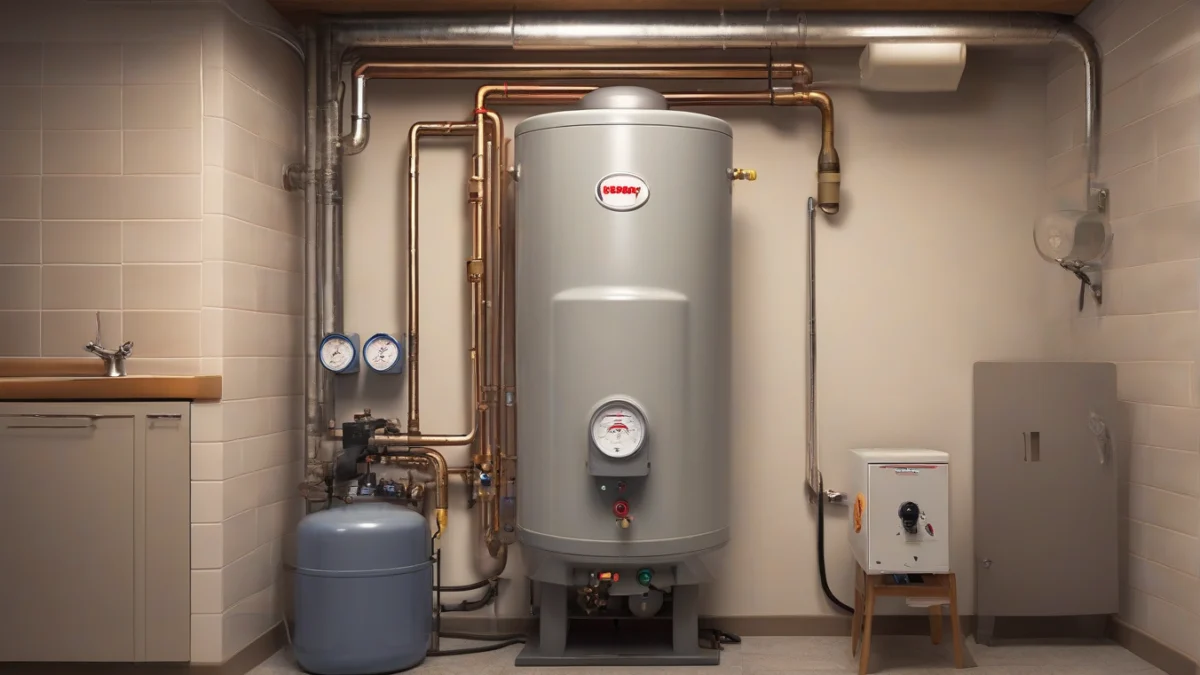
Unlike a furnace, a boiler doesn’t blow heated air through ducts. The room receives heat from a radiator, baseboard, or floor loop as hot water passes through it; cooler water returns to the boiler for another trip. That steady loop is the basic idea behind a hot water hydronic boiler.
How A Propane Boiler Heats Water
| Boiler type | How it works | Typical efficiency meaning |
|---|---|---|
| Non-condensing | Sends exhaust out while keeping combustion gases hot enough to avoid condensation inside the heat exchanger. | Often lower AFUE than condensing equipment; the venting system must suit hotter exhaust. |
| Condensing | Cools exhaust gases enough to recover additional heat from water vapor before venting. | Modern models can reach about 96% AFUE when installed and operated as designed. |

A condensing boiler can recover heat that a non-condensing boiler sends up the flue, but it needs return water cool enough for condensation to occur. Radiant floors and generously sized low-temperature emitters can help; a replacement boiler connected to an older high-temperature system may not deliver its rated advantage in every operating condition.
Residential boilers with input under 300,000 Btu/hr fall within the scope of ENERGY STAR residential boiler certification. That label helps separate higher-efficiency models, while AFUE gives you the comparable number; thermal efficiency and combustion efficiency describe narrower parts of operation and aren’t substitutes for the annual rating.
The boiler itself doesn’t make domestic hot water automatically. Some systems use an indirect tank heated by boiler water, while a separate tankless water heater supplies taps; that choice affects hot-water recovery and flow rate, so it belongs in the system design rather than in the boiler label alone.
How To Size a Propane Boiler for Your Home
Most propane boilers for residential heating fall somewhere between 40,000 and 100,000 BTU per hour for a 2,000-square-foot home, but the correct size comes from the home’s heat loss—not square footage alone. A Manual J load calculation, performed by a qualified HVAC professional, is the reliable way to choose the boiler’s output.
Square footage gives you a starting range, while bedrooms help you check the demand from separate zones and domestic hot water. A three-bedroom house may need more hot water capacity than a one-bedroom house of the same size, but bedrooms don’t tell you how much heat escapes through the walls, windows, roof, and floor. Climate, insulation, ceiling height, window area, and air leakage matter more.
| Home size | Rough starting range | What changes the answer |
|---|---|---|
| 1,000 sq ft | 20,000–50,000 BTU/hr | Insulation and local winter temperatures |
| 1,500 sq ft | 30,000–75,000 BTU/hr | Windows, air leakage, and ceiling height |
| 2,000 sq ft | 40,000–100,000 BTU/hr | Heat-loss calculation and radiation capacity |
| 2,500 sq ft | 50,000–125,000 BTU/hr | Construction quality and climate |
Sizing a Propane Boiler for Baseboard Heat
A propane boiler for baseboard heat must supply enough hot water to warm every active room without exceeding the baseboard’s ability to release that heat. Flow rate, measured in gallons per minute (GPM), carries heat from the boiler through the loop; too little flow can leave distant rooms cool, while excessive flow can add pump noise without fixing an undersized radiator.
Oversizing raises cycling: the burner reaches its target temperature quickly, shuts off, and restarts repeatedly. That wastes fuel and can shorten component life. Undersizing makes the boiler run for long periods while rooms struggle to reach the thermostat setting, especially during the coldest weather. A modulating condensing boiler can reduce cycling when its minimum output is close to the home’s low-end heat demand.

Comparing Propane Boilers to Other Fuel Types for Efficiency and Cost
Propane boilers vs other fuel boilers come down to local fuel prices, boiler efficiency, and whether the unit can condense; propane hot water boiler efficiency can reach about 96% AFUE, while the most efficient propane boiler is a properly sized condensing model that actually operates with cool return water.
AFUE, or Annual Fuel Utilization Efficiency, estimates how much of a year’s fuel becomes useful heat. A 96% AFUE propane boiler turns roughly 96,000 BTU of every 100,000 BTU burned into heat, with the rest leaving through the vent and other losses. Thermal efficiency describes the burner and heat exchanger more narrowly, so don’t treat the two ratings as interchangeable.
Efficiency By Boiler Type
| Fuel and boiler type | Typical efficiency picture | What changes the result |
|---|---|---|
| Propane condensing | Up to about 96% AFUE | Needs cool enough return water to condense exhaust moisture |
| Propane non-condensing | Lower than condensing designs | Simpler venting and operation, but more heat leaves through the flue |
| Natural gas condensing | Often similar high AFUE ratings | Usually costs less per BTU where a gas service line is available |
| Oil boiler | Commonly lower than modern condensing gas designs | Fuel price, burner condition, and annual tuning matter |
| Electric resistance boiler | Nearly 100% at the unit | Electricity usually costs more per delivered BTU; there is no combustion exhaust |
Condensing technology raises efficiency by cooling exhaust until water vapor changes back into liquid, releasing additional heat into the boiler water. A low-temperature radiant-floor system helps that process. Baseboard systems running at hotter water temperatures may leave the boiler condensing less often, so a 96% rating won’t guarantee 96% performance every hour.
Emissions follow a similar pattern: natural gas generally produces less carbon dioxide at the burner than propane, propane generally less than heating oil, and electric boilers produce no combustion emissions inside the home. Electricity’s total emissions depend on how your grid generates power. Any fuel-burning boiler still needs correct venting and inspection; efficiency is no substitute for safe combustion.
For a closer look at how a high-efficiency unit captures that extra heat, see a condensing hydronic boiler guide before comparing AFUE ratings. ENERGY STAR certification applies to residential boilers with inputs below 300,000 BTU per hour, while FEMP-designated efficiency levels address much larger commercial boilers, so the labels serve different buying situations.
 Heating System Upgrade PlannerChoose between a heat pump, a furnace, a boiler or a hybrid with your own numbers, and hire the right installer.Every system compared side by side25 questions for contractors, red flagsRunning-cost, payback and quote calculator (Excel)
Installation and Maintenance Costs for Residential Propane Boilers
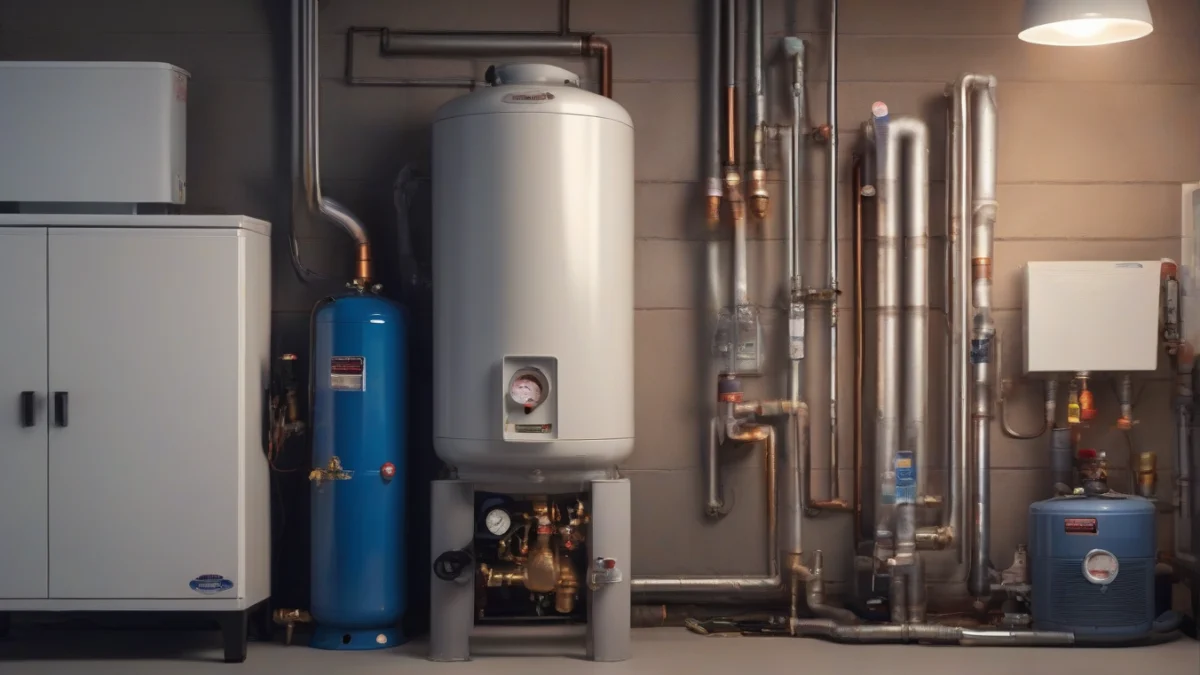
For propane boilers in residential homes, installation cost is a contractor quote built from labor, venting and gas materials, permits, and any needed chimney or electrical work; propane boiler maintenance then adds an annual service visit and replacement parts. There isn’t one reliable national price because replacing an existing boiler is a very different job from adding propane service, a vent, and hydronic piping to a house that has none.
| Installation item | What the charge covers |
|---|---|
| Labor | Removing the old boiler, setting the new unit, connecting water and heating circuits, startup, and combustion checks |
| Materials | Boiler, flue or vent components, gas piping, valves, circulator parts, expansion tank, controls, fittings, and condensate equipment for a condensing model |
| Permits and inspection | Local permit fees and the inspection required for gas, venting, plumbing, or electrical work |
| Site changes | Propane tank or gas-line work, chimney modifications, electrical changes, drainage, or asbestos-related removal where applicable |
A written quote should identify the boiler’s input and output, AFUE rating, venting method, controls, warranty registration, permit responsibility, and disposal of the old equipment. Gas connections, venting, and electrical work belong with licensed trades where local rules require them; a boiler is a poor place to practice being your own utility company.
What Propane Boiler Maintenance Includes
Annual maintenance usually includes cleaning the burner and heat exchanger, checking the ignition and flame-sensing parts, inspecting the flue and combustion air, testing safety controls, checking water pressure and expansion-tank operation, and looking for leaks. A condensing boiler also needs its condensate drain and trap checked, since a blocked drain can stop the unit even when the burner is fine.
A reasonable annual maintenance estimate is the local price of one professional boiler service visit plus any parts the inspection finds; older systems may cost more because pumps, valves, ignition components, and controls eventually need replacement. Request that the contractor separate the routine service charge from repair allowances, then compare the total with the cost of running the boiler in propane boiler cost calculations.
Many residential propane boilers can serve for roughly 15 years or longer when water quality, venting, combustion, and maintenance are kept in order. Replacement becomes more sensible when the heat exchanger leaks, corrosion spreads through the cabinet or piping, parts are obsolete, repair visits keep multiplying, or a newer condensing boiler can cut fuel use enough to justify the installation work.
Safety and Environmental Considerations for Propane Boilers
The main safety concerns with propane residential boilers are carbon monoxide, propane leaks, fire, and incorrect venting; proper installation and annual inspection address most of them. A propane boiler burns fuel indoors, so combustion air, exhaust routing, the heat exchanger, and the flue termination all need to match the manufacturer’s instructions and local code.
Propane leak detection starts with your nose: the fuel is odorized to smell like rotten eggs. If you smell propane, don’t operate light switches, appliances, phones, or vehicles near the leak; leave the building, then call your propane supplier or 911 from outside. A technician should check the tank, shutoff valve, gas piping, fittings, and boiler connection rather than relying on a quick tightening job.
Clearance is a code issue, not a suggestion measured by how brave the cardboard box feels. Follow the boiler’s listed distances from walls and combustibles, preserve access for service, and keep vent openings and terminations clear of obstructions, snow, and leaves. A licensed contractor should confirm permits, gas-pipe sizing, venting, combustion air, and local requirements before installation.
Propane’s environmental advantage over heating oil is cleaner combustion with less soot and sulfur-related pollution. Electric boilers produce no combustion emissions at the home, although their total environmental impact depends on how the local grid generates electricity; propane still requires fuel delivery and creates carbon emissions when burned. Choosing a high-AFUE condensing boiler, correcting oversized equipment, and maintaining clean combustion reduces wasted fuel.
Top-Rated Propane Boilers for Home Heating and Hot Water
The highest-rated propane boilers are usually the ones that match the home’s heat load, hot-water demand, and venting options; the Rinnai propane boilers here both combine space heating with domestic hot water and list 96% AFUE. Product 1 supplies 150,000 BTU per hour, while Product 2 supplies 90,000 BTU per hour, so the larger model isn’t automatically the better residential choice.
| Model | Useful fit | Key features |
|---|---|---|
| Rinnai IP150199C | Larger homes or higher simultaneous demand | 150,000 BTU, 96% AFUE, condensing combi, Smart Sense Gas Valve, Smart Connect Wi-Fi |
| Rinnai IP090199C | Smaller heating loads and moderate hot-water demand | 90,000 BTU, 96% AFUE, condensing combi, Smart Sense Gas Valve, Smart Connect Wi-Fi |
Combi boilers benefit homes that want one wall-mounted appliance, have limited mechanical-room space, and use moderate hot water at one time. Separate boiler and water-heater equipment may serve better if a large family runs multiple showers together or if backup hot-water capacity matters more than compact installation.
You can find ENERGY STAR certified residential boilers through the ENERGY STAR product search and authorized HVAC dealers; verify the exact model, fuel type, AFUE rating, and certification before ordering. Both Rinnai warranty listings require registration within 90 days of installation for the full labor coverage; otherwise, the labor warranty defaults to one year. Compare more 150,000-BTU options in propane boiler residential reviews before choosing on the model name alone.
Checklist Before Buying or Installing a Propane Hot Water Boiler
For a propane boiler system, the best propane boilers residential buyers can choose are the ones matched to the home’s heat loss, hot-water demand, fuel supply, and local installation rules. Use this checklist before signing a contract; a shiny boiler that is too large is still the wrong boiler.