

You spent good money on a gas fireplace. But right now it looks like a black hole in your wall – a square of glass, some glowing rocks, and that’s it. You want it to feel like part of the room, not a stuck-on appliance.
This article walks through 25 sleek design ideas you can start using today. Some cost nothing (rearrange the media). Some require a trip to the hardware store (change the trim). And a few mean swapping the fireplace itself if your current unit limits your options. You’ll know exactly which approach fits your space, your style, and your budget.
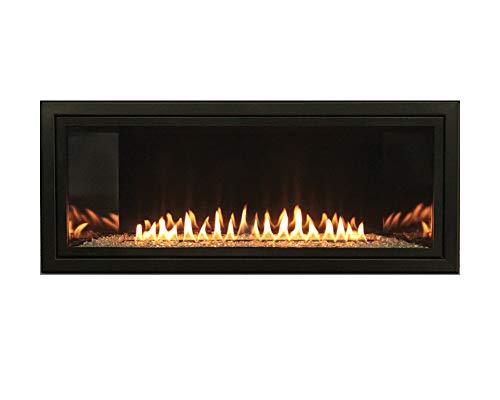
Empire Comfort Systems
Empire Boulevard Vent-Free 36-in Natural Gas Linear…
- Vent-Free - Energy efficient design and more installation flexibility than vented units; Can be placed in homes where venting isn'…
- Multiple Ignition Options - Available with intermittent pilot ignition or millivolt ignition
- Burner - Contemporary burner creates an impressive firebox display
The Empire Boulevard Vent-Free 36-in Natural Gas Linear IP Fireplace with Thermostat Variable Remote Control (ASIN: B07QCJ6DGV) solves the biggest headache for modern decor: installation limits. Because it’s vent-free, you can place it where a vented unit simply won’t go – a non-load-bearing interior wall, a built-in bookcase, a wall opposite the front door. The contemporary burner creates a wide, even flame bed that looks more like a linear art piece than a traditional firebox. Pair it with the right surround and media, and you’ve got a room anchor, not an afterthought.
1. Vent-Free vs Vented: The Decor Difference Nobody Talks About
Most people pick a gas fireplace based on heating output. But if you care about decor, the venting type matters more than the BTUs.
A vented fireplace needs a chimney or a direct-vent pipe to the outside. That pipe runs through the ceiling or an exterior wall. It limits where you can put the fireplace and forces you to frame around the chase. The result: a bulky box that’s hard to integrate cleanly into a modern wall.
A vent-free fireplace (like the Empire Boulevard) needs no pipe. You can recess it into a standard 2×4 wall. It sits flush. You can frame around it with drywall, tile, or stone without worrying about clearances to a flue. That lets you run the fireplace full-width across a wall – the classic linear look.
One catch: vent-free units recirculate combustion byproducts back into the room. That’s fine in most homes, but some building codes restrict them in bedrooms or very tight spaces. Check your local rules before you buy.
2. Media Choices: What Goes Under That Flame
The media – glass, rocks, logs, or ceramic shapes – sits beneath the burner. It’s the single cheapest change you can make to transform the look. Most fireplaces come with clear or amber glass nuggets. Those work, but they’re boring.
Here are five alternatives you can swap in twenty minutes:
- Black onyx glass – Almost disappears under the flame. Gives the fire a floating appearance.
- White marble chips – Reflects warm light. Works best with a white or light gray surround.
- Drifted driftwood logs – Realistic-looking ceramic reproductions. Better than the fake plastic ones from the 90s.
- Mixed tumbled stones – River rock in gray, brown, and charcoal. Adds texture without being busy.
- Brass or copper glass gems – Subtle sparkle when the flame catches them. One bag is enough for most 36-inch burners.
Pro tip: use a media grid or a metal screen under the glass. Otherwise, the burner flame can push pieces around, leaving bare spots.
3. The Frame & Surround: Where Most People Get it Wrong
The fireplace frame is the part people see from across the room. A builder-grade black metal frame looks cheap. Replace it.
Three common framing approaches:
- Drywall returns – The drywall wraps around the fireplace opening like a picture frame. Super clean, super minimal. Requires a recessed installation with a zero-clearance unit.
- Tile or stone band – A 3- to 6-inch border of marble, slate, or porcelain around the glass. Adds a material shift. Pick a tile with some variation – solid white subway tile reads as sterile.
- Full-wall veneer – The same stone or tile covers the entire wall, and the fireplace sits flush within it. Dramatic. Expensive. Worth it if this is your main living room focal point.
If you use a trim kit (sold separately for the Empire Boulevard), go with stainless steel or matte black aluminum. Brushed brass is coming back, but only works in rooms with warm wood tones. Avoid polished chrome – it shows every fingerprint.
4. Styling Rules That Actually Work
These five rules separate a fireplace that looks designed from one that looks ‘meh’:
- Rule 1: The TV goes above the fireplace only if you have a mantel you can lower. A TV mounted too high strains your neck. Better to put the TV on a separate wall and let the fireplace be the actor, not a prop.
- Rule 2: Keep everything within 18 inches of the floor. A low, linear fireplace draws the eye down and makes the ceiling feel taller. Raise it above 24 inches and you lose that effect.
- Rule 3: Use asymmetrical decor on the hearth or mantel. Two candlesticks of different heights. A stack of books with a small vase. Symmetry looks staged.
- Rule 4: Match your room’s finish temperature. Cool gray walls need a cool metal frame (silver, stainless). Warm beige walls need bronze, brass, or black. Mixing warm and cool finishes next to the fire looks sloppy.
- Rule 5: Light the fire even when you don’t need heat. Modern gas fireplaces have a pilot flame or a ‘flame only’ mode. Use it. The fire itself is the decor.
Comparison: Media Types at a Glance
| Media Type | Best For | Cost per Bag (approx) | Maintenance |
|---|---|---|---|
| Clear glass nuggets | Minimalist, modern | $15 – $25 | Low – wash every 2 years |
| Black onyx glass | Floating flame effect | $20 – $35 | Medium – dust shows, wipe yearly |
| White marble chips | Bright, airy rooms | $10 – $18 | Low – but can yellow over time |
| Driftwood logs (ceramic) | Realistic rustic feel | $40 – $70 set | Low – replace if chipped |
| Mixed tumbled stones | Textured, organic look | $12 – $20 | High – rocks shift; rearrange every season |
Prices vary by retailer and region. Check current prices on Amazon before buying.
Frequently Asked Questions
Can I use a vent-free fireplace in a bedroom?
It depends on your local building codes. Many states allow it in bedrooms as long as the room has a window or a door. But some restrict vent-free units in sleeping areas due to oxygen depletion risk. Read the manual for the Empire Boulevard – it includes minimum room size requirements (usually around 400 cubic feet).
How do I clean the glass on a modern gas fireplace?
Use a dry microfiber cloth for dust. For soot buildup, use a glass cleaner specifically made for gas fireplaces – not Windex (ammonia damages the ceramic glass). Wipe when the glass is cool. Some units have self-cleaning glass coatings, but they still need a manual wipe every few months.
What size fireplace should I pick for a 12×14 foot room?
A 36-inch wide burner (like the Empire Boulevard) is the sweet spot. It’s big enough to be a focal point but small enough to leave room for furniture. If your room is 15×20 or larger, go to a 48-inch or 60-inch. The fireplace should be about one-third the width of the wall it sits on.
Can I install a gas fireplace myself?
Not safely. Gas lines need a licensed professional. Even vent-free units require a gas connection, pressure testing, and a gas shutoff valve. Hire a plumber or HVAC technician. The cost is usually $200 to $500 for the hookup. That’s cheap insurance against a leak.
Do modern gas fireplaces really heat a room?
Vent-free units (like the Empire Boulevard) are nearly 100% efficient – all the heat stays in the room. A 36-inch model can warm a 400-500 sq ft open living area. Vented units lose a lot of heat up the flue. If heating is your priority, go vent-free. If you care more about the look and already have central heating, a vented unit is fine.
What You Can Do Right Now
- Swap your glass media for a dark tone to make the flame pop – costs $20 and takes ten minutes.
- Remove any bulky mantel and replace it with a floating shelf 6 inches above the fireplace.
- Switch to a linear model (36-inch or wider) if your current unit is square and boxy. The Empire Boulevard vent-free linear fireplace fits flush in a standard wall.
- Paint the wall behind the fireplace matte black or charcoal to make the fire glow stronger.
- Hang a large abstract painting above the fireplace, not a TV – the irregular shape and color contrast with the flame work better.
- Install a remote-controlled dimmer for the fireplace flame height (most modern units, including the Empire, include a thermostat variable remote). Adjust the flame to match the room’s mood.
- If you’re planning a renovation, consider converting your old wood fireplace to gas – it opens up modern design options without a full teardown.

I am a mechanical engineer and love doing research on different home and outdoor heating options. When I am not working, I love spending time with my family and friends. I also enjoy blogging about my findings and helping others to find the best heating options for their needs.
Related guides

Gas Stove Maintenance: 12 Pro Tips for Maximum Efficiency
You turn on the burner and notice the flame flickers unevenly. Maybe it's yellow at the tips, or…

15 Proven Ways to Maximize Gas Stove Energy Efficiency
You ever look at your gas bill and wonder where all that money went? I've been there. Standing…

Top 10 Reputable Gas Stove Brands for Your Kitchen
Reputable brands of gas stoves include Bosch, Samsung, Frigidaire, GE Appliances, and Whirlpool, known for their reliability and…
