Hot Water Gas Heaters for Homes: How They Work
On this page 7 sections
A gas water heater does one job: it burns gas, heats a metal heat exchanger or tank of water, and sends that hot water where the plumbing asks for it. For a home, that usually means showers and fixtures, or a hydronic loop that warms rooms through baseboards, radiators, or radiant floors.
A useful check is flow rate, not just BTU. A unit rated at 7.0 GPM at a 35°F rise can cover two or three showers at once in mild inlet-water conditions, but the same heater may feel a lot smaller in January when the incoming water is colder.
Hot Water Gas Heaters For Homes
Hot water gas heaters for homes are primarily gas-fired water heaters that provide hot water for taps, showers, and sometimes hydronic heating. The most common types are storage tank heaters and tankless (on-demand) units, with the latter delivering up to 7.0 gallons per minute (GPM) at a 35°F temperature rise as seen in models like the Rheem RTG Series.
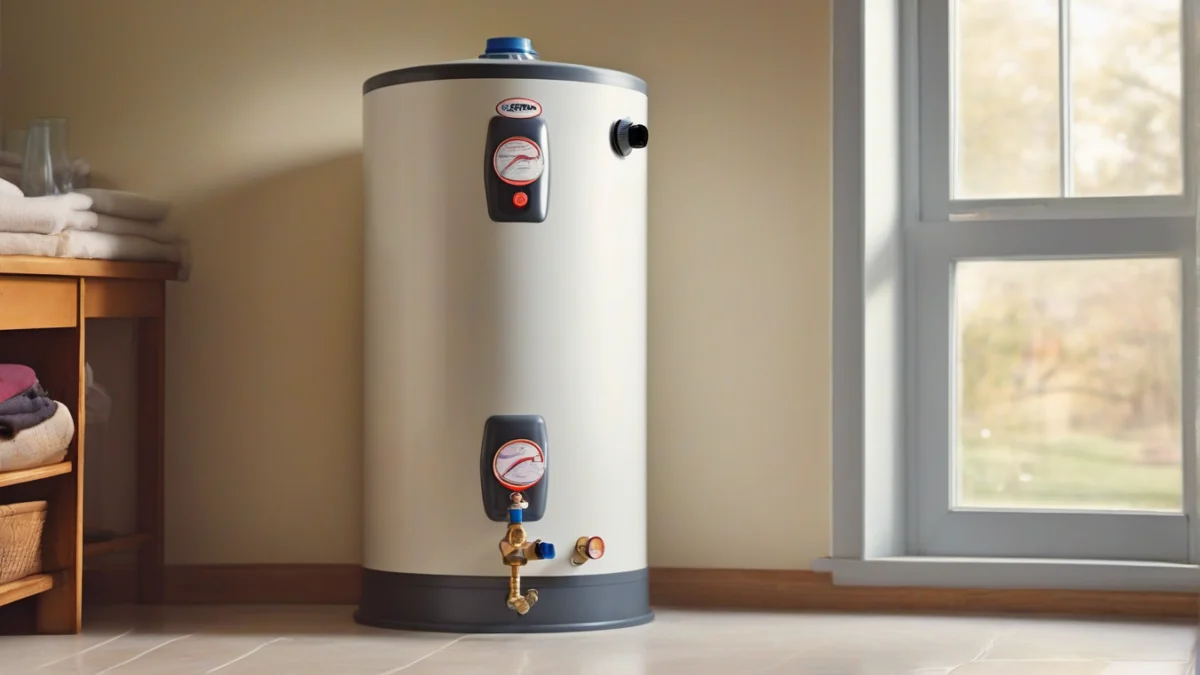
These heaters work by burning natural gas to heat water through a heat exchanger. In tank units, a burner heats the entire tank of stored water, controlled by a thermostat that turns the burner on or off to maintain temperature. Tankless units ignite the burner only when water flow is detected, heating water instantly as it passes through the heat exchanger. Both require proper venting to safely expel combustion gases, and installation must be done by a licensed professional to meet code and safety standards.
The practical difference between tank and tankless heaters comes down to recovery and space. Tank heaters store a limited amount of hot water and need time to reheat after use. Tankless systems heat water continuously, so they never run out as long as gas supply and flow rate keep up. Tankless units also save floor space since they mount on walls without a bulky tank.
| Type | Use Case | Output Style | Best Fit |
|---|---|---|---|
| Storage Tank | Homes with moderate hot water demand | Stored hot water ready on demand | Smaller households, budget installations |
| Tankless | Homes needing continuous hot water for multiple points | Instant on-demand hot water | Large families, multi-bath homes, space-conscious |
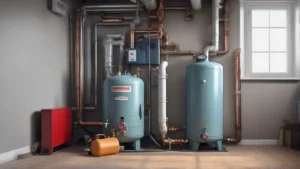
| Hydronic Boiler | Homes using hot water for central heating | Circulates heated water through radiators or floors | Whole-house heating with radiant systems |
If you’re considering an indoor gas water heater, keep in mind that venting and gas connections require professional installation. Incorrect venting can cause carbon monoxide buildup, and gas work typically requires a licensed installer to comply with local codes.

How Much Hot Water You Really Get

The flow rate combined with temperature rise defines how much hot water a gas heater delivers, not just its BTU input. A tankless gas water heater rated for 7.0 gallons per minute (GPM) at a 35°F rise means it can heat 7 gallons of water per minute if the incoming water is 35°F below the set temperature.
Say you have two showers running at 2.5 GPM each plus a sink at 1.0 GPM, totaling 6.0 GPM. The heater’s 7.0 GPM capacity covers this comfortably, but if winter inlet water drops from 50°F to 40°F, the temperature rise needed grows, so the effective flow rate drops below 7.0 GPM. That shrinks your margin and can reduce water temperature when peak use overlaps.
When the temperature rise doubles, the delivered flow at full input power halves roughly. So, 7.0 GPM at 35°F rise becomes about 3.8 GPM at 65°F rise. That means your two showers and sink won’t all get full hot water at once. A backup boiler or a second heater can keep up with large family peaks or long pipe runs where heat loss reduces delivery further.
Instant hot water systems work well for most homes with moderate demand but can struggle during simultaneous heavy use or in very cold climates. Backup options provide reliability and comfort for bigger households or remote fixtures.
Running Cost And Comfort Tradeoffs
Gas hot water heaters for homes run differently depending on whether they store hot water or heat it instantly. Tankless units fire only when you use hot water, so they avoid standby heat loss but cycle on and off during use. Storage tanks keep water hot all the time, using gas intermittently to maintain temperature, which adds standby losses.
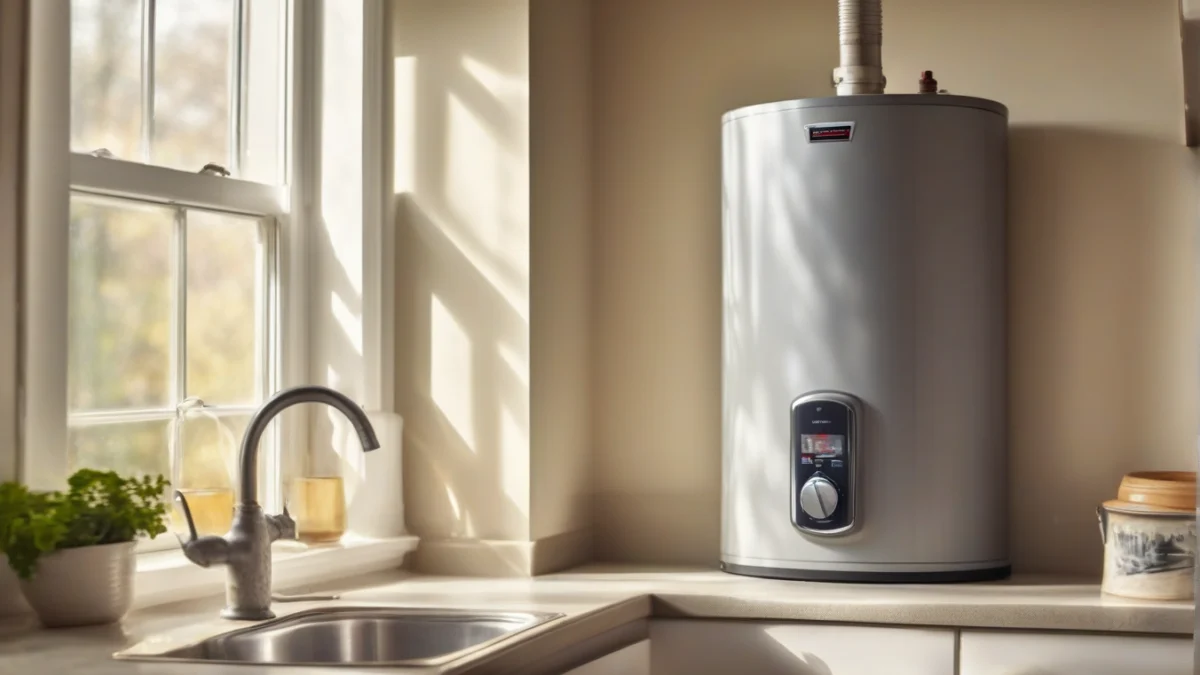
The cost to run depends on how much hot water you use, how often, and your local gas price. The formula for monthly gas consumption is roughly your heater’s input BTU multiplied by the hours of use, divided by the efficiency, with live utility rates determining your bill. Short bursts favor tankless units; constant or heavy use may make storage tanks more efficient overall.
Comfort differences matter too. Tankless heaters provide endless hot water but can delay hot water delivery if the fixture is far from the unit, causing cold water waste. Storage tanks keep a reservoir ready, delivering hot water instantly, which is beneficial in bathrooms and kitchens close to the tank.
| Factor | Tankless Pros | Storage Tank Pros |
|---|---|---|
| Family size | Flexible for small to medium families | Better for large families with high peak demand |
| Bathroom count | Handles simultaneous use if sized carefully | Stores hot water for multiple fixtures at once |
| Floor space | Smaller footprint, wall-mounted | Requires floor space for tank |
| Demand pattern | Ideal for low or intermittent use | Better for constant or heavy use |
Safety, Venting, And Code
Hot water gas heaters for homes must vent combustion gases safely outside to prevent carbon monoxide buildup indoors. Only indoor-rated models belong inside the house; outdoor or vent-free units have specific restrictions and local code requirements that vary widely.
Most jurisdictions require licensed professionals to install venting and gas piping. That’s because improper venting or gas connections can lead to dangerous gas leaks, flame rollout, or exhaust spillage, all of which are clear warning signs of trouble.
Check local building codes before considering vent-free or direct vent models. Some areas ban vent-free gas heaters indoors due to carbon monoxide risks. A working carbon monoxide alarm is essential for any home with fuel-burning appliances, including gas water heaters.
Which Rooms And Homes They Suit
Instant hot water systems for homes like tankless water heaters fit large families, multiple bathrooms, or homes with long daily hot water use. Their wall-mounted design saves space in utility rooms and delivers continuous hot water on demand for 2 to 3 simultaneous showers.
Standard gas tank water heaters suit households with modest hot water demand, simpler setups, or where a tank space already exists. They have lower upfront installation complexity and work well for smaller families or limited usage.
When space heating through radiators, baseboards, or radiant floors is the goal, a central hydronic boiler system makes more sense. These boilers provide hot water for both heating and domestic use and can be more efficient for whole-home warming.
For more on hydronic systems and their heating benefits, check our detailed guide on hot water hydronic boilers.
| Type | Best For | Installation Complexity | Space Needed |
|---|---|---|---|
| Tankless Gas Water Heater | Large families, multi-bath homes | Moderate, requires venting and gas line | Compact, wall-mounted |
| Standard Gas Tank Heater | Small to medium families, lower demand | Low to moderate | Needs floor space for tank |
| Central Hydronic Boiler | Whole-house space heating plus hot water | High, complex plumbing and controls | Boiler and radiator space |
What To Do Next
First, decide if you need hot water for taps and showers or a heater to warm your rooms. That distinction guides the entire process because hot water gas heaters for homes typically serve water, not air.