

One concrete number changes the question fast: a 90,000 BTU boiler can deliver about 26.4 kW of heat at the burner, but the comfort you feel depends on the house’s heat loss, not the label on the jacket. That matters because oversized boilers short-cycle and undersized ones never catch up.
Propane boilers make the most sense where you already have hydronic piping, want even room-to-room heat, or need a boiler to replace an oil unit. A vented propane stove belongs in a different conversation; it heats the room it sits in, not the pipes in the walls.
Propane Fired Home Heating Boilers
Propane fired home heating boilers are hydronic heating systems that warm water in a sealed boiler and circulate it through radiators, baseboard loops, or radiant floor tubing to heat your home quietly and evenly. Unlike direct-fired room heaters, these systems rely on a burner, heat exchanger, circulator pump, and thermostat to deliver steady whole-house heat using propane gas.
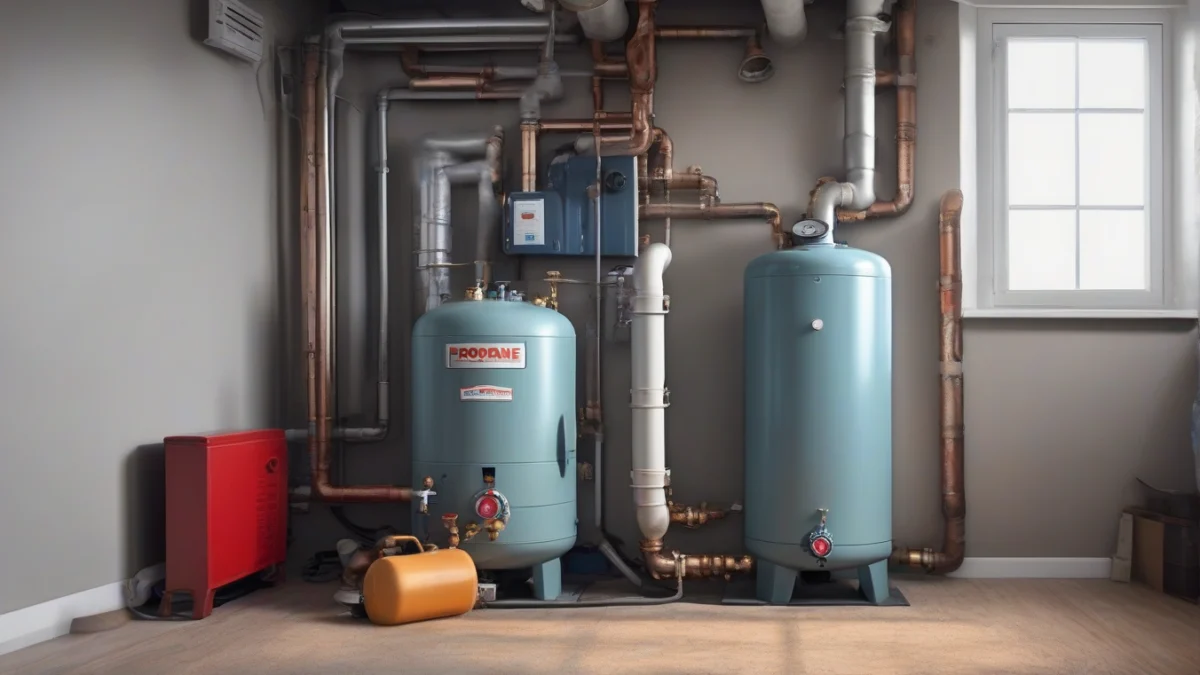
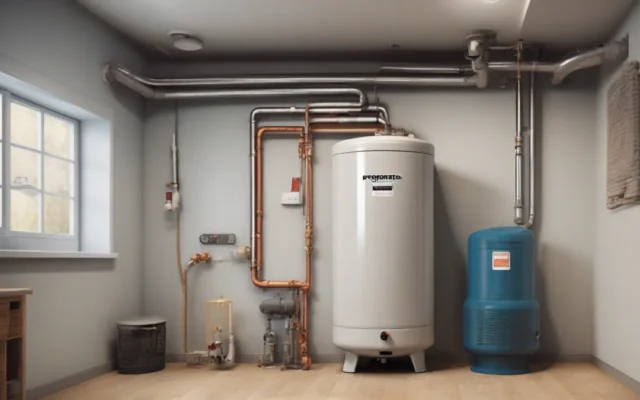
The propane boiler burns gas in a burner, passing the heat to water in the heat exchanger. A circulator pump moves the hot water through piping to radiators or baseboards, while an expansion tank manages pressure changes as water heats and cools. A thermostat controls burner operation by signaling the pump and gas valve to maintain your set temperature. Venting removes combustion gases safely outside. Most propane boilers need electricity to power the pump and controls, so they won’t run during a power outage unless you have a backup generator.
| Type | Heat Distribution | Comfort Level | Best Use |
|---|---|---|---|
| Boiler | Hot water through radiators or baseboards | Quiet, steady, whole-home comfort | Whole-house heating, quieter spaces |
| Furnace | Heated air blown through ducts | Faster heat but less even, noisier | Large homes with duct systems |
| Vented Stove | Direct flame heating of room air | Instant heat, noisy, spot heating only | Single rooms or garages |
Propane boilers for home heating typically deliver efficiency ratings around 80% to 96% AFUE (Annual Fuel Utilization Efficiency). For example, the Rinnai IP090199C model has a 96% AFUE rating, meaning 96% of the propane fuel energy is converted to heat. This is higher than typical vented stoves and furnaces, which often range from 78% to 85%. Higher efficiency means less fuel burned and lower heating costs.
Propane gas home heating systems that use boilers are well suited for whole-house heating where quiet operation and consistent temperatures matter most. They avoid the drafty feel and noise of forced-air systems and provide a more comfortable, gentle warmth. However, because they rely on circulator pumps and controls, they do require electricity to run — a fact often missed by buyers wondering, does propane heating use electricity? It does, but only for the system’s mechanical components, not the burner itself.
How Much Propane Heat Costs To Run
Propane for home heating costs hinge chiefly on the boiler’s input BTU, its efficiency rating (AFUE), hours of operation, and the price per gallon of propane. One gallon of propane contains about 91,500 BTU. To estimate running costs, divide the boiler’s input BTU by that number to find gallons burned per hour, adjust for its AFUE, then multiply by hours used and the propane price.
Say your 200,000 BTU input propane boiler runs 8 hours daily, with 85% AFUE, at $3.50 per gallon. Gallons used per hour equals 200,000 ÷ 91,500 = 2.19 gallons raw. Accounting for 85% efficiency, real propane use is 2.19 ÷ 0.85 ≈ 2.58 gallons per hour. Over 8 hours, that’s 20.64 gallons daily, costing 20.64 × $3.50 = $72.24. That’s a high estimate; actual use varies with insulation, thermostat setbacks, and heat loss.
AFUE matters more than a raw BTU rating because it reflects how much input energy converts to heat versus lost exhaust. A higher BTU boiler with low AFUE wastes more fuel than a smaller, more efficient unit. A 96% AFUE combi boiler, for example, uses less propane to produce the same heat and can also supply domestic hot water, cutting down on separate appliance costs.

Measure The Room And The System First
Deciding if a propane boiler fits your home means measuring more than just room size. Boilers heat whole hydronic zones, so you need to consider the home’s heat loss, insulation quality, and the size and type of radiators or baseboard loops.
Common signs your house wants a boiler include existing hydronic distribution like radiators or radiant floors, replacing an old oil boiler, or needing gentle, even heat in uneven or drafty rooms. Without existing hydronic piping, installing a boiler often means adding these costly loops or radiators first.
| Propane Heating System | Installation Complexity | Comfort Level | Best For |
|---|---|---|---|
| Vented Propane Stove | Low | Spot heating, direct warmth | Single rooms or additions |
| Propane Furnace | Medium | Fast warm air | Whole-house forced air systems |
| Propane Boiler | High | Even, quiet hydronic heat | Whole-house with radiators or baseboards |
Vented propane stoves work well for heating one main space or a drafty addition but don’t suit whole-house comfort. Boilers deliver steady warmth across multiple rooms but require a hydronic system in place or installed. Furnaces offer a middle ground with easier ductwork but less gentle heat.
Check Venting, Power, And Code Before You Buy
Propane boiler heating systems rely on precise venting and adequate combustion air to operate safely indoors. Each boiler or hydronic heating appliance must use the venting system the manufacturer specifies to handle exhaust gases properly and prevent backdrafting.
A propane hot water boiler heating system combines a sealed combustion chamber with water circulated through radiators or baseboards. This setup needs more than just fuel and pipes—electrical power runs the controls and circulation pumps. If your area faces frequent outages, a generator or battery backup might be essential to avoid losing heat when you need it most.
Local codes often restrict or ban vent-free gas heaters because they release combustion byproducts directly into the living space. That makes checking your municipality’s rules crucial before buying any propane gas heating system. Vented propane boilers, by contrast, exhaust safely outside.
Replacing an oil boiler with a propane boiler can reuse much of the existing hydronic system plumbing and radiators, but you still need to install the correct burner, venting, and fuel supply components. Skipping this step risks inefficient combustion or dangerous carbon monoxide buildup.
Pick A Boiler Or A Vented Stove
Propane stoves for heating home are usually vented appliances designed to warm one main space or zone. They provide direct radiant heat but rarely connect to a home’s hydronic system. A propane boiler, in contrast, serves whole-house hydronic heat by circulating hot water through radiators, baseboards, or radiant floors.
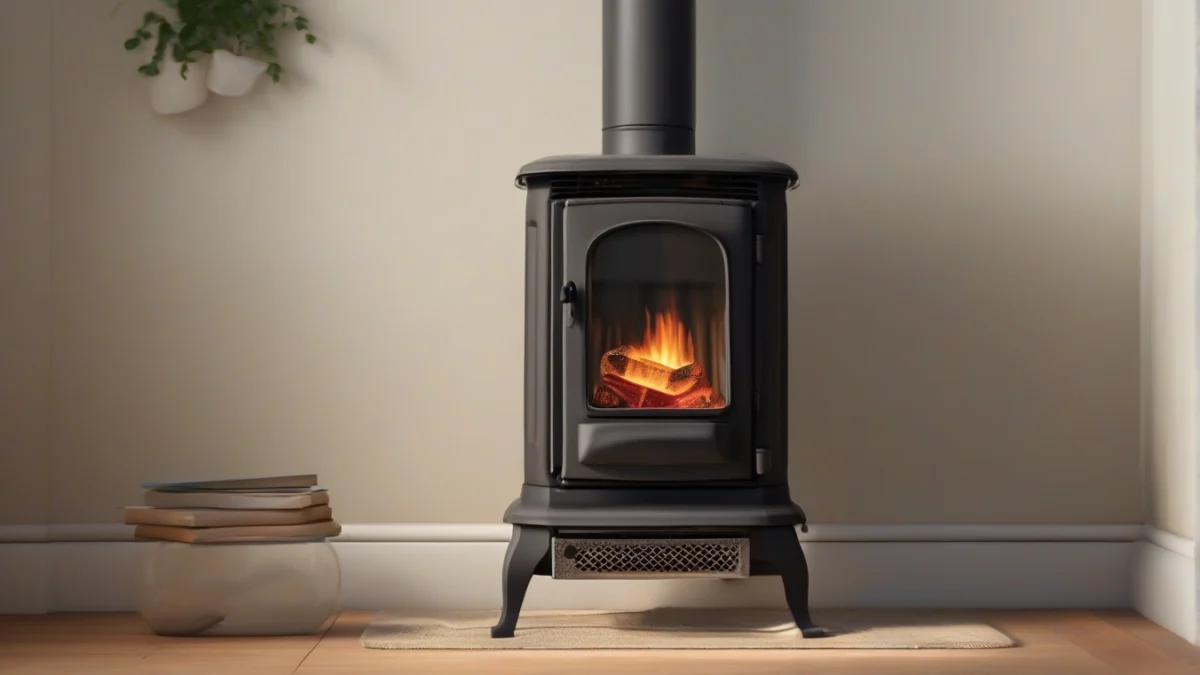
Choose a boiler if you already have radiators or baseboards installed, or if you want one appliance to handle both space heating and domestic hot water. Vented propane stoves are practical for a single room or supplemental heat but won’t replace a full heating system.
Before You Call For Parts Or Installation
A propane gas heating stove can be efficient, but you should know whether your home’s propane heating units and system are ready before buying or calling for service.
If your heating system with propane tank is older, look for signs that call for service rather than replacement. These include repeated ignition failures, short cycling (heater turning on and off rapidly), soot buildup on burners, noisy circulator pumps, or uneven heating across zones.
Are propane heating stoves efficient? Yes, most efficient propane heating stoves reach 80% to 90% efficiency, but that depends on proper installation and maintenance.
Taking these steps will save wasted trips and money. Start with this checklist before you buy parts, schedule installation, or call a technician.
Frequently Asked Questions
Are propane heating stoves efficient?
Does propane heating use electricity?
What size propane boiler do I need for my home?
Can a propane boiler replace a heating oil boiler?
What is the difference between a propane boiler and a propane furnace?
Are vented propane stoves safe for home heating?
How much does propane home heating cost per month?

I am a mechanical engineer and love doing research on different home and outdoor heating options. When I am not working, I love spending time with my family and friends. I also enjoy blogging about my findings and helping others to find the best heating options for their needs.
Related guides
Propane Heater Without Electricity for Tiny Homes
How propane heat works in a tiny home, what it costs to run, and why vented vs vent-free…
Gas Fireplace Installation Costs: What to Expect in 2026
The installation costs of gas fireplaces typically range from $2,000 to $5,000, depending on factors like location, type,…
High Efficiency Propane Boilers Residential: What To Buy
How high-efficiency propane boilers work, what AFUE means, how condensing models compare, and what to check before you…
