Boiler Installation: Avoid Gas and Venting Risks
On this page 6 sections
Three written quotes are more useful than a single national average: each should separate the heater, labor, gas-line work, venting, permits and removal. The old page’s price ranges aren’t backed by the supplied research, so this guide treats them as quote items rather than promises.
Start by identifying the heater type and whether you’re replacing an existing unit or adding a new one. Those details change the work more than a neat-looking equipment price does.
Gas Heater Installation Costs
Gas heater installation costs depend on the unit and the work needed to connect it safely, so a fixed price range can mislead without a site inspection. A straightforward replacement may fit within a half day, but new gas piping, venting or wall work adds time; the schedule depends on your home and the appliance.
Ask three licensed installers to quote the same heater model and written scope, then compare both totals and exclusions. The quote should separate equipment, labor, gas-supply changes, venting, electrical work if needed, permit fees, and removal or disposal of the old unit.
| Quote line | What to verify |
|---|---|
| Equipment | Exact model and included parts |
| Labor | Removal, installation and startup checks |
| Gas supply | Whether existing piping is included or changes are extra |
| Venting and electrical | Required materials and any added work |
| Permits and disposal | Who handles permits and old-unit removal |
Compare like with like: a quote for a replacement using existing approved connections isn’t equivalent to one that includes new piping or a vent route. Ask each installer to list assumptions and identify what could change the total after inspection.
Gas heaters don’t all have the same operating cost or efficiency. Your fuel rate, heater type, correct sizing and how often you run it all matter; installation cost alone won’t predict the utility bill. For help separating purchase and running expenses, see gas heater costs.
Check the Site Before Work Starts

Before propane heater installation, the installer should match the heater type, capacity, location, gas type and available supply to the appliance nameplate and manual. If you searched how to install a propane radiant heater, the safe first step is a site check—not connecting the gas yourself.
The installer should confirm that existing gas piping and venting are approved and suitable for the new appliance; an old installation isn’t proof that it meets current requirements. Required clearances, combustion air, vent route and nearby combustibles must follow the model’s instructions and local code.
A listed flexible connector is suitable only when its size, fittings and intended use match the appliance and local rules. If the installer confirms that this connector type is appropriate, product 1 is one possible kit; its dimensions and fittings still need to match the heater.

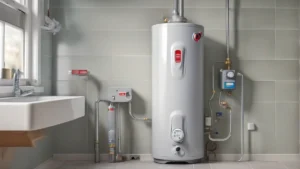
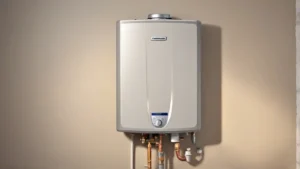
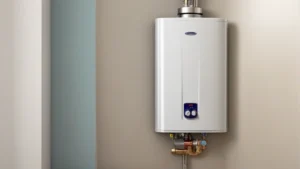
For tankless water heaters, the location depends on the model’s venting, combustion-air, service-clearance and gas-supply requirements, plus local code. Have the installer confirm those conditions before choosing an indoor or outdoor location.
Follow the Installation Sequence
A professional installs a gas tankless water heater by confirming the appliance and site requirements, then fitting approved gas, venting and electrical components; this is a coordination guide, not instructions to install one yourself. A tankless water heater installation guide should account for the model’s specific gas capacity, venting and electrical needs. The steps for installing a gas water heater are similar in broad outline, but the appliance manual controls the details.
| Job type | Scope to confirm |
|---|---|
| Replacement | Whether the existing gas supply, venting, location and electrical provisions match the new appliance. |
| New installation | Where new gas piping, venting, electrical work and permits or inspections are required. |
 Heating System Upgrade PlannerChoose between a heat pump, a furnace, a boiler or a hybrid with your own numbers, and hire the right installer.Every system compared side by side25 questions for contractors, red flagsRunning-cost, payback and quote calculator (Excel)
Avoid Leaks and Failed Inspections
Most preventable failures come from mismatched gas type or capacity, incompatible connectors, unapproved vent materials, incorrect clearances, inadequate combustion air, or skipped leak and commissioning checks. Installing gas water heater exhaust incorrectly can send combustion products indoors; follow the appliance manual and local code, and keep a working carbon monoxide alarm in the home.
Installing a gas water heater yourself isn’t a safe shortcut: gas connections, venting and 240 V electrical work belong to qualified professionals and, where required, licensed tradespeople. A licensed plumbing or heating contractor typically installs tankless water heaters; an electrician may be needed for electrical work, depending on the model and local rules.
Permit and inspection rules vary by jurisdiction. Check with your local building department before work starts, especially when adding gas piping, changing the vent or installing a different appliance type. Vent-free gas heaters are banned or restricted in some states and cities, so verify local code before choosing one.
Get the Right Quote Next
Boiler installation and new boiler installation are different scopes from replacing a wall or room heater: boilers serve hydronic heating systems, so ask for a separate quote if that’s your project.
- Photograph the existing heater’s nameplate and location. Note whether it uses natural gas or propane, and find the manual if you have it; the nameplate helps installers check appliance compatibility.
- Call your local building department before scheduling. Ask which permits and inspections apply to this replacement or new installation, and who is responsible for arranging them.
- Request itemized quotes from licensed installers using the same job details. Have each identify assumptions for the gas line, venting, electrical work, removal of the old unit, permits and inspections; otherwise, the totals may cover different work.
- Choose the installer who confirms code compliance, appliance compatibility and responsibility for inspections in writing—not simply the lowest total. If your project is hydronic, compare the separate cost to install hydronic heating instead of using a wall-heater quote.