

That first cold snap hits and your old wall heater starts making a sound like a coffee grinder. You know it’s time. Then the contractor throws out a number and you have no idea if it’s fair or if they’re padding the bill. Most people don’t know what a gas heater installation should cost, and that lack of knowledge is exactly what gets them overcharged.
This article walks through the real 2026 numbers for equipment, labor, gas line work, permits, and disposal. You’ll see where the money goes, what hidden fees look like, and how to compare quotes like someone who does this for a living. No fluff, just the breakdown you need before calling anyone.

Mr. Heater
Mr. Heater 30,000 BTU Vent Free Radiant…
- Emits 30,000 BTU/hr
- Heats up to 1,000 square feet
- Battery operated electronic ignition (battery included)
For smaller spaces like a workshop or an attached garage, a vent-free unit like the Mr. Heater 30,000 BTU Vent Free Radiant Natural Gas Heater can simplify things considerably. It doesn’t require a chimney or vent pipe, which removes a big chunk of labor and material costs from your project. That unit heats up to 1,000 square feet and runs without electricity, so it’ll keep working during a power outage.
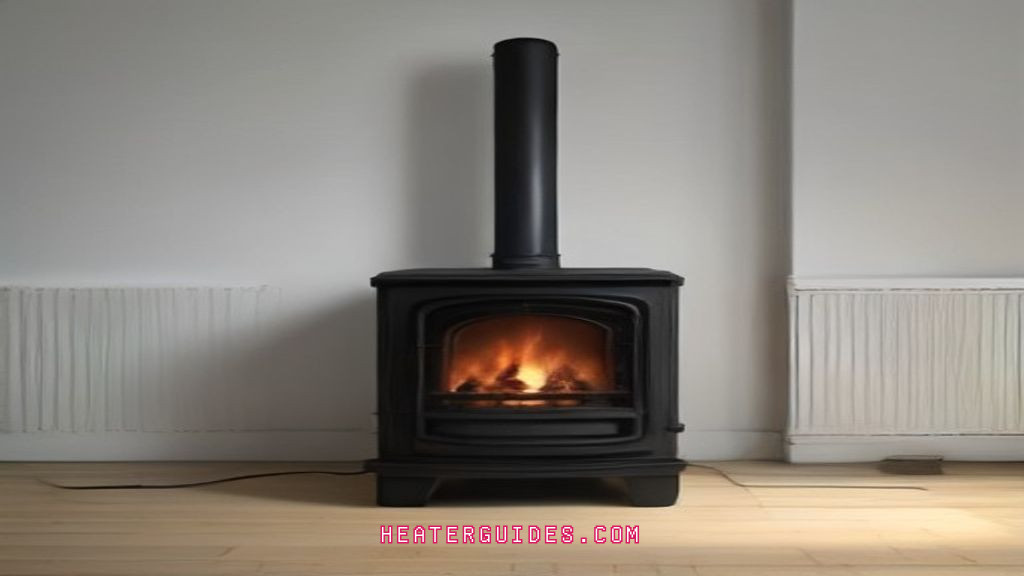
2026 Gas Heater Installation Cost at a Glance
Here’s the honest truth: the national average for a complete gas heater installation in 2026 lands between $1,200 and $3,500. That range feels wide because the variables are wide. A simple swap of a 20,000 BTU wall heater in a mild climate runs closer to $1,000. A high-efficiency unit heater in a cold garage with a 40-foot gas line extension can push past $4,500.
The biggest cost drivers are not the heater itself. Labor and gas line work eat up 60 to 70 percent of a typical invoice. Equipment is often the cheapest part of the whole job.
Average Cost by Heater Type
Different heater types carry different installation complexity. Here’s what you should expect to pay for equipment and installation in 2026:
| Heater Type | Equipment Cost | Installed Cost | Installed Cost per BTU |
|---|---|---|---|
| Vent-free wall heater (20,000–30,000 BTU) | $150–$400 | $800–$1,800 | $0.04–$0.06 |
| Direct-vent wall heater (20,000–30,000 BTU) | $400–$900 | $1,500–$2,800 | $0.06–$0.09 |
| Natural draft wall heater (20,000–30,000 BTU) | $300–$600 | $1,200–$2,200 | $0.05–$0.08 |
| Garage unit heater (45,000–75,000 BTU) | $500–$1,200 | $1,800–$3,500 | $0.03–$0.05 |
| High-efficiency furnace (80,000 BTU, full system) | $2,500–$5,000 | $5,500–$10,000 | $0.07–$0.12 |
The per-BTU numbers matter more than the sticker price. A garage unit heater delivers more heat per dollar spent on installation because the labor is nearly identical to a wall heater but the BTU output is double or triple.
Direct-Vent vs. Natural Draft Price Differences
Direct-vent heaters pull combustion air from outside and exhaust outside through a sealed pipe. They cost $300 to $700 more to install than natural draft models. That extra money buys two things: a stainless steel vent pipe and a more complex wall penetration.
Natural draft heaters use indoor air for combustion and vent through a simpler pipe. They’re cheaper to install but waste more heat because they constantly draw warm room air up the flue. In a well-sealed home, a natural draft unit can also create negative pressure issues that backdraft other appliances.
My honest take: if you’re replacing a wall heater in a living space, pay for the direct-vent. The efficiency gain and safety margin justify the extra cost over the life of the unit. For an uninsulated garage where you just need heat while working, a natural draft or vent-free unit makes more sense.
Labor and Installation Costs Explained
Licensed contractors charge $75 to $150 per hour in most markets. A standard gas heater installation takes 4 to 8 hours. That puts labor at $300 to $1,200 before any materials.
You’re not just paying for time. The contractor carries liability insurance, pulls permits, and knows the local code. That knowledge is worth the hourly rate. A handyman without the right license might charge $50 an hour, but if they install the vent wrong, carbon monoxide ends up in your bedroom. That’s not a risk worth saving $200 on.
Gas Line Extension and Pressure Testing Fees
This is where quotes diverge dramatically. If your new heater sits in the same spot as the old one, the existing gas line might work fine. If it’s moving even 10 feet, you need a new line run.
Black iron pipe costs $2 to $4 per linear foot in materials. Flexible corrugated stainless steel tubing (CSST) runs $3 to $6 per foot. Labor to install and connect either runs $50 to $100 per hour on top of that. A 20-foot gas line extension typically costs $300 to $800 total.
Pressure testing is non-negotiable and often billed separately. The contractor pressurizes the line to verify there are no leaks. This costs $100 to $250 as a stand-alone line item. Some contractors bury it in the labor charge; others list it separately. Ask which one you’re getting before you sign.
Here’s a trap: older homes often have undersized gas lines. If your existing line is 1/2-inch pipe but the new heater needs 3/4-inch, you’re looking at a full re-pipe. That can add $1,000 to $2,500 to the job. A good contractor will check the line size during the estimate, not after the work starts.
The Hidden Costs Competitors Miss
Most online cost guides stop at equipment and labor. Real installations have other line items that show up on the final invoice and surprise people.
Permit Fees and Code Compliance
Most jurisdictions require a permit for gas heater installation. Fees range from $50 to $300 depending on your city. The permit triggers an inspection, which usually costs another $50 to $150.
Skipping the permit saves money upfront but creates problems later. When you sell the house, the buyer’s inspector will notice unpermitted work. You’ll either pay to have it brought up to code or lose the sale. Insurance companies also deny claims on unpermitted gas work if a fire or leak occurs. That $300 permit saves you from a $10,000 headache.
Removal and Disposal of Old Unit
Getting rid of the old heater isn’t free. Contractors charge $50 to $150 to haul away an old wall heater or unit heater. If the old unit has asbestos-containing materials in the vent pipe or insulation, disposal costs jump to $300 to $600 because it requires special handling.
Old gas lines that are being abandoned need to be capped and sealed. That’s another $50 to $150 per abandoned line. If you’re removing a gas line entirely, the contractor has to cut it, cap it at the source, and patch the wall. That runs $200 to $400.
Ask your contractor upfront about disposal fees. Many quote equipment and labor but leave disposal as a surprise add-on at the end.
2026 Rebates and Tax Credits for High-Efficiency Models
The Inflation Reduction Act extended federal tax credits through 2032, and 2026 is squarely in that window. For gas heaters that meet Energy Star Most Efficient criteria, you can claim up to $600 in federal tax credits. This applies to units with an AFUE rating of 95 percent or higher.
State and local rebates stack on top of that. Many utility companies offer $100 to $500 rebates for high-efficiency gas heaters. Some states add another $200 to $800. Combined, you can recover 15 to 30 percent of the equipment cost through rebates and credits.
Two catches. First, the credit applies to the equipment, not the installation labor. Second, you need the manufacturer’s certification statement and the Energy Star model number to claim it. Keep every receipt and the model number documentation.
Vent-free heaters rarely qualify for these credits because their AFUE is technically 100 percent (no flue losses) but they don’t meet the combustion safety criteria for Energy Star. If you’re buying a high-efficiency model specifically for the credit, confirm eligibility before purchase.
DIY vs. Professional Installation: The Real Risks
DIY gas line work is legal in some states and flat-out illegal in others. Check your local code before you even think about doing this yourself.
In states where DIY is allowed, you can save $400 to $800 in labor on a straightforward wall heater swap. The parts and materials run $100 to $300. The catch is that you’re now responsible for the pressure test, the venting, and the carbon monoxide safety of your household.
Here’s what DIY actually involves: measuring and cutting gas pipe, applying thread sealant correctly, tightening fittings to the right torque, pressure testing with a manometer, checking for leaks with soapy water, verifying vent clearances, and ensuring the unit is level and properly secured. One mistake in any of those steps creates a gas leak or a carbon monoxide hazard.
Most homeowners can handle the mechanical work. The part that trips people up is the inspection. If you pull a permit, the inspector will check your work. If you don’t pull a permit and something goes wrong, your homeowner’s insurance will likely deny the claim.
My recommendation: DIY the removal and disposal of the old unit to save $100 to $200, but hire a licensed professional for the gas line connection and pressure testing. That split saves money where it’s safe and spends money where it matters.
How to Get an Accurate Quote
You need three quotes minimum. Not two. Three gives you a real sense of the market rate in your area. Here’s a checklist to bring to every estimate:
- Ask for a line-item breakdown: equipment, labor, gas line, permit, disposal, and pressure testing listed separately.
- Confirm the contractor will pressure test the gas line and provide the results in writing.
- Ask if they’ve verified the existing gas line size handles the BTU load of the new heater.
- Get the permit fee quoted as a separate line item, not lumped into labor.
- Ask about disposal fees for the old unit before you agree to anything.
- Request the model number and AFUE rating of the equipment they’re quoting so you can verify rebate eligibility.
- Ask about warranty registration — many manufacturers require it within 30 days of installation or the warranty is void.
When the quotes come back, compare the line items, not just the totals. A quote that’s $500 higher might include a permit and disposal that the cheaper quote left out. The cheap quote isn’t cheaper if you have to pay $400 in extras later.
One more thing: check that the contractor’s license is current and their insurance is active. Most states have an online license lookup. It takes two minutes and saves you from hiring someone who isn’t legally allowed to do the work.
Frequently Asked Questions
How much does labor cost to install a gas heater?
Labor runs $300 to $1,200 depending on your market and the heater type. That’s based on $75 to $150 per hour and 4 to 8 hours of work. A simple vent-free wall heater swap in the same location is at the low end. A direct-vent unit heater with a gas line extension is at the high end.
Do I need a permit to replace a gas wall heater?
Yes, in most jurisdictions. Gas work requires a permit because it’s a safety issue. Fees run $50 to $300. The permit triggers an inspection that verifies the venting, gas connections, and clearances meet code. Skipping the permit risks insurance denial and problems at home sale.
How long does a gas heater installation take?
A straightforward replacement takes 4 to 6 hours. Adding a gas line extension adds 2 to 4 hours. A permit inspection adds another appointment that usually takes 30 minutes. Plan for a full day from start to finish, with the inspection happening on a separate visit.
Can I install a gas heater myself to save money?
You can in some states, but you shouldn’t unless you know gas piping code cold. The risk is carbon monoxide poisoning or a gas leak. If you DIY, you’ll need to pull a permit and pass inspection. Most homeowners save more money by hiring out the gas line work and doing the removal themselves.
What is the difference between vent-free and direct-vent installation costs?
Vent-free units cost $400 to $700 less to install because they don’t need a vent pipe or wall penetration. Direct-vent units cost more because they require stainless steel venting and a sealed combustion air intake. The direct-vent unit is safer in tight homes and won’t add moisture to the air.
What Actually Matters When You Get the Bill
The cheapest quote isn’t the best quote. The most expensive quote isn’t the best either. What matters is that every line item is accounted for and the contractor has verified your gas line can handle the load.
- Budget $1,200 to $3,500 for a complete installation in 2026, with simple swaps at the low end and complex runs at the high end.
- Equipment is 30 to 40 percent of the cost. Labor and gas line work are the rest.
- Get three itemized quotes and compare line by line, not just the total.
- Pressure testing is a separate cost — confirm it’s included before signing.
- Permits run $50 to $300 and protect you from insurance headaches later.
- Federal tax credits up to $600 apply to Energy Star high-efficiency models with 95%+ AFUE.
- DIY the removal to save $100 to $200, but hire a licensed pro for the gas connection.
The money you save on a gas heater installation comes from knowing what the job actually involves. Now you do. Get those three quotes, compare the line items, and you’ll walk away with a fair deal.

I am a mechanical engineer and love doing research on different home and outdoor heating options. When I am not working, I love spending time with my family and friends. I also enjoy blogging about my findings and helping others to find the best heating options for their needs.
Related guides
Ventless Natural Gas Heaters with Thermostat & Blower Guide
You walk into your basement workshop on a 20-degree morning. The space is 800 square feet with concrete…
Can You Convert An Electric Heater To Natural Gas?
You've got an electric furnace that's eating your utility bill alive. You've heard natural gas costs less per…

California’s Natural Gas Heater Ban: What You Need to Know
California is moving towards banning natural gas heaters in new buildings by 2023 to reduce greenhouse gas emissions…