Say your old 1,500 W heater has started tripping the breaker in a 12-by-12 room and the cord feels warm after an hour. That’s a replacement job, but the fix is only simple if the new unit matches the circuit, the mounting, and the space around it.
The useful part is checking the boring details first: amperage, clearance, and whether the old heater was plugged in or wired in. Those three decide whether you can swap it yourself or need a pro before the first screw comes out.
How to replace old electric heater with new model
You can replace an old electric heater yourself if the new one fits the same mounting and runs on a standard 120 V circuit that can handle the load. Otherwise, fitting an electric heater into an old fireplace opening usually requires a listed insert designed for that space.
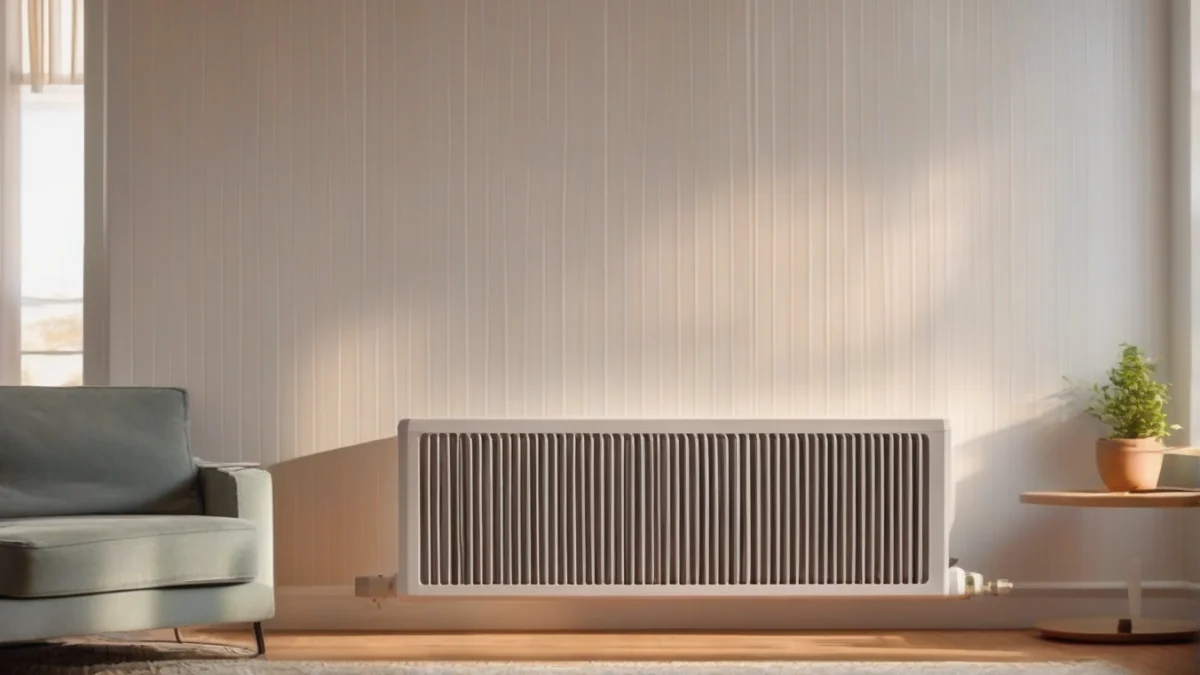
Say your old heater is 1,500 watts on a 15-amp, 120-volt circuit. That draws about 12.5 amps (1500 ÷ 120), leaving little room for anything else on that breaker. If the circuit is shared, replacing the heater without checking the load risks tripping breakers or worse.

Where The Power Stops And The Heat Starts
A 1,000-watt electric heater can warm a small area or provide extra heat, but it won’t replace an oil furnace for your whole house. Electric resistance heat delivers about 3,412 BTUs per 1,000 watts, which is far less than an oil furnace’s output and comes at a higher operating cost.
| Heater Wattage | Circuit Requirement | Typical Room Size |
|---|---|---|
| 500 W | Standard 120 V, 5 A circuit | Small bathroom or office (50–100 sq ft) |
| 1,000 W | Standard 120 V, 10 A circuit | Small room or supplementary heat (up to 150 sq ft) |
| 1,500 W | Standard 120 V, 15 A circuit | Medium room or primary heat supplement (150–250 sq ft) |
The typical household outlet can handle 15 amps at 120 volts, which means you can safely run about 1,500 watts on a dedicated circuit. Plugging in a heater that draws more than that risks tripping your breaker or overheating the wiring.
Replacing an oil furnace with electric resistance heat changes the fuel math dramatically. Oil contains roughly 140,000 BTUs per gallon, and furnaces run efficiently to convert that energy into heat for the whole house. Electric heaters convert nearly 100% of their energy to heat, but the cost per BTU is much higher because electricity rates exceed oil prices on an energy-equivalent basis.
| Heater | Watts | Per hour | Per day (8 h) | Per month (1 days) |
|---|---|---|---|---|
| 1,500 W electric heater | 1,500 W | 26¢ | $2.04 | $2.04 |
That cost block assumes 17 cents per kWh, a common US residential rate. Running a 1,500-watt space heater for 8 hours uses 12 kWh, costing about $2.04 per night. Multiplying that by 30 days approaches $60 a month—far more than burning oil for the same heat output.
A 1,000-watt electric heater is not a practical replacement for your oil primary heat source. You’d need several units running constantly, with a high electricity bill to match. If you want electric heat to replace oil, consider upgrading the whole system with a heat pump or a properly sized electric furnace instead.
Mistakes That Damage Heaters Or Circuits
If your old electric heater replacing a gas valve shows no power at the controls, don’t assume the heater itself is faulty. Often, it’s a wiring, switch, or supply issue rather than a reason to force parts together.
Common mistakes cause damage or nuisance trips. Using extension cords overloads the heater’s wiring, risking overheating and fire. Overloading the breaker by running multiple high-draw devices on the same circuit causes trips and wears out the breaker. Blocking the intake or grille starves the heater of airflow and can scorch the unit. Setting the heater too close to curtains or combustible materials invites fire hazards. Trying to adapt a gas valve opening to fit an electric unit won’t work; they’re different appliances requiring separate trades to install.
A fan-only setting or a working thermostat knob doesn’t guarantee the heater is safe if the cord or outlet feels hot. Overheating cords are a sign of poor contact, undersized wiring, or a failing outlet, which can lead to a fire.
- Never use an extension cord with a space heater; plug it directly into a wall outlet.
- Check the circuit breaker rating and don’t exceed it by adding multiple heaters or appliances.
- Keep intake grilles clear of dust, curtains, and furniture to allow proper airflow.
- Maintain at least 3 feet clearance from curtains and combustible materials.
- Don’t try to reuse a gas valve opening or controls for an electric heater; they are unrelated systems.
When A Permit Or Electrician Is Required
You’ll need a licensed electrician for hardwired electric heater replacements, new circuit installations, panel work, or any changes to branch-circuit wiring. These tasks often require a permit under local electrical codes.
Plug-in portable heaters usually don’t need a permit or electrician, since they draw from standard outlets without altering wiring. In contrast, in-wall units, baseboard heaters, or electric fireplace inserts typically do require permits and professional installation.
If your heater replacement touches gas piping, venting, or a fireplace chase, licensed mechanical work might be involved. That calls for a plumber or HVAC technician alongside your electrician.
Local rules vary widely, so the safest step is to check with your building department before cutting or rewiring anything. They’ll confirm whether a permit or professional help is legally required.
Buy The Right Replacement Before You Unplug The Old One
A heater rated 1,500 watts belongs on a dedicated 120 V outlet with a 15 A breaker whenever possible. Avoid extension cords to prevent overloads and fire risk.

More Questions, Answered
Can I replace an old space heater with a new one myself?
How do I know if my electric heater needs a dedicated circuit?
Can a 1,000 W electric heater replace oil primary heat source?
What if the old heater sits in a fireplace opening with no electricity on it?

I am a mechanical engineer and love doing research on different home and outdoor heating options. When I am not working, I love spending time with my family and friends. I also enjoy blogging about my findings and helping others to find the best heating options for their needs.
Related guides
How to Self Install a Tankless Water Heater Safely and Efficiently
Step-by-step guide to self installing a tankless water heater with tools, safety warnings, permits info, and common mistakes…
DIY Electric Heater Installation: Risks vs Rewards
Introduction: Weighing DIY Electric Heater Installation You just bought a new electric baseboard heater for the drafty bedroom,…
How To Evaluate Oil Heater Installation Quality Like A Pro
You spent good money on a standby generator to keep the lights on when a winter storm hits.…