Gas Fireplace: How It Works, Costs, and Safety
On this page 7 sections
One checkable number changes the whole conversation: a 32,000 BTU ventless insert can heat up to 1,500 sq. ft., but it also needs the room, fuel line, and local code to line up. Size and venting matter more than the prettiest surround.
Gas fireplaces suit living rooms, family rooms, and other spaces where you want visible flame with steady heat. They are a poor fit for places that cannot meet venting rules, clearance requirements, or carbon monoxide safety basics.
Gas Fireplace
A gas fireplace burns natural gas or propane to create visible flames and heat for a room. It either vents combustion gases outside or, in ventless models, releases them indoors under strict safety rules.
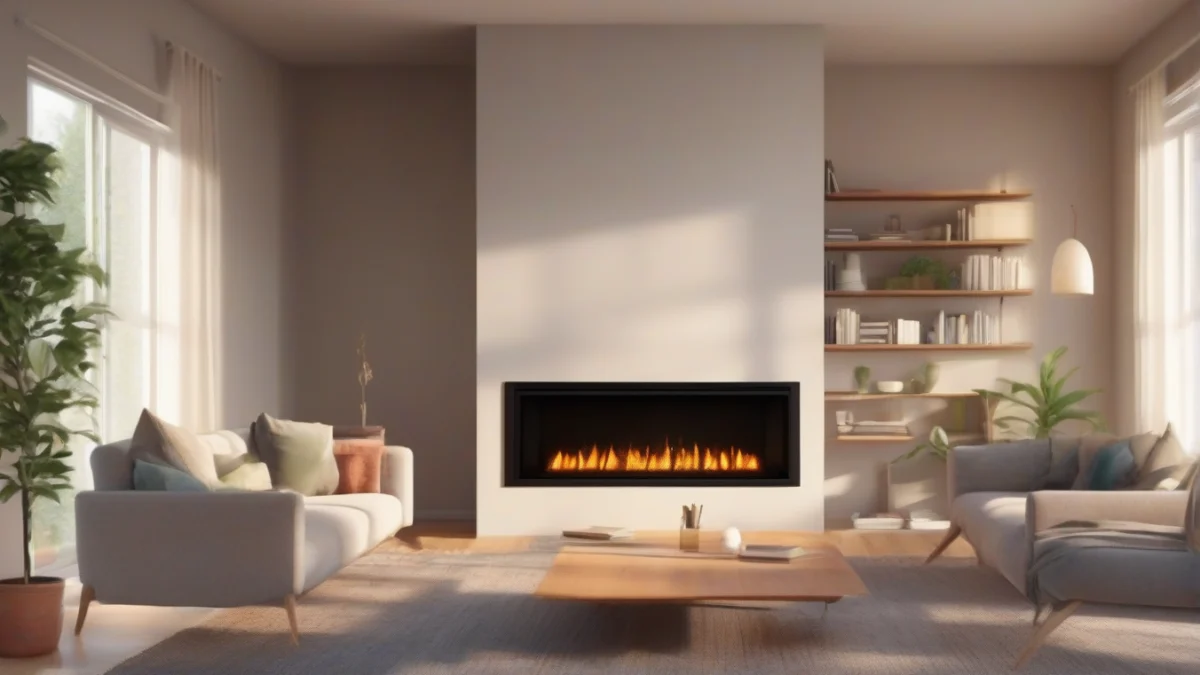
Vented gas fireplaces have a flue or chimney that carries exhaust outside, making them suitable for most rooms but requiring more installation work. Ventless units send combustion products directly into the room, so they must comply with local codes limiting their use and need good ventilation.
Some gas fireplaces need electricity for ignition, a blower fan to spread heat, or remote controls. Others run without power, using a standing pilot light to ignite the flame, which can be important during power outages.
Compared to electric fireplaces, gas models provide more realistic flames and faster, targeted heat than a baseboard heater. However, they come with more installation limits and venting requirements than electric units, which plug in and work anywhere.
| Type | How It Handles Combustion Products | Room Fit | Main Tradeoffs |
|---|---|---|---|
| Vented | Exhausted outside via chimney or vent | Most rooms with vent access | Better air quality indoors, more complex installation, heat loss through venting |
| Ventless | Released into the room | Rooms meeting strict code and ventilation requirements | Higher efficiency, simpler installation, stricter limits and possible indoor air concerns |
| Direct-Vent | Uses sealed vent pipe to outside | Rooms allowing sealed vent installation | Highly efficient, maintains indoor air quality, installation can be restrictive |
Gas fireplaces commonly output around 32,000 BTU, enough to heat roughly 1,500 square feet in typical insulation conditions. But this output doesn’t equal the exact heat loss of your room; it’s a rough sizing guide to understand scale.
Where The Heat Actually Goes

A gas fireplace heats a room mainly through radiant heat from the visible flame and firebox surfaces, with some convective heat if a blower moves warm air into the room. The flame and firebox emit infrared radiation that warms objects and people directly nearby, making that area feel noticeably warmer.
Vented gas fireplaces lose some heat up the flue, because combustion gases exit outdoors before transferring all their warmth inside. Ventless models keep nearly all the heat in the room, but tight safety standards require oxygen sensors and limit where you can install them to prevent indoor air quality problems.
Because radiant heat warms only surfaces it reaches, and convection spreads warm air unevenly, a gas fireplace usually heats best close to the unit. Large open floors often get less even warmth than a central furnace or ducted system. The fireplace can supplement a cold living room but won’t replace whole-house heating on its own.
Gas fireplaces offer an eco-friendlier heat source than wood by burning cleaner with fewer particulates. Wood fireplaces can be made more effective by adding inserts or glass doors to control air flow and reduce heat loss up the chimney. This reduces wasted heat and improves comfort near the fireplace.

What It Costs To Run
Running costs for a gas fireplace come from multiplying its fuel consumption rate by the fuel price and the hours used. The burn rate is usually listed in BTU per hour, and prices vary by region and fuel type—natural gas or propane. For example, a 32,000 BTU fireplace burns about 0.32 therms per hour (since 1 therm = 100,000 BTU).
Say natural gas costs $1.50 per therm, then 0.32 therms × $1.50 = 48 cents per hour of run time. If you run it 4 hours a day, that’s about $1.92 daily. Propane is pricier per BTU, typically around $2.50 per gallon, with 91,500 BTU per gallon, so costs run higher.
| Heater | Watts | Per hour | Per day (4 h) | Per month (30 days) |
|---|---|---|---|---|
| 32,000 BTU gas fireplace | 9,366 W | $1.59 | $6.37 | $191.07 |
| Electric 2 kW heater | 2,000 W | 34¢ | $1.36 | $40.80 |
Electric fireplaces draw electricity directly and convert it to heat at nearly 100% efficiency, but electric rates usually run higher than gas prices. That often makes gas more cost-effective for heating a living room, especially where natural gas is cheap and available.
Fireplaces with blowers or fans add some electricity use, usually under 100 watts, which slightly increases operating costs but improves heat distribution. Propane fireplaces that don’t need electricity exist and run purely on gas, but they may sacrifice some control and blower options.
Venting, Electricity, And Clearances
Vented gas fireplaces need a properly installed venting path that meets both the manufacturer’s listing and local building code requirements to safely exhaust combustion gases outside your home.
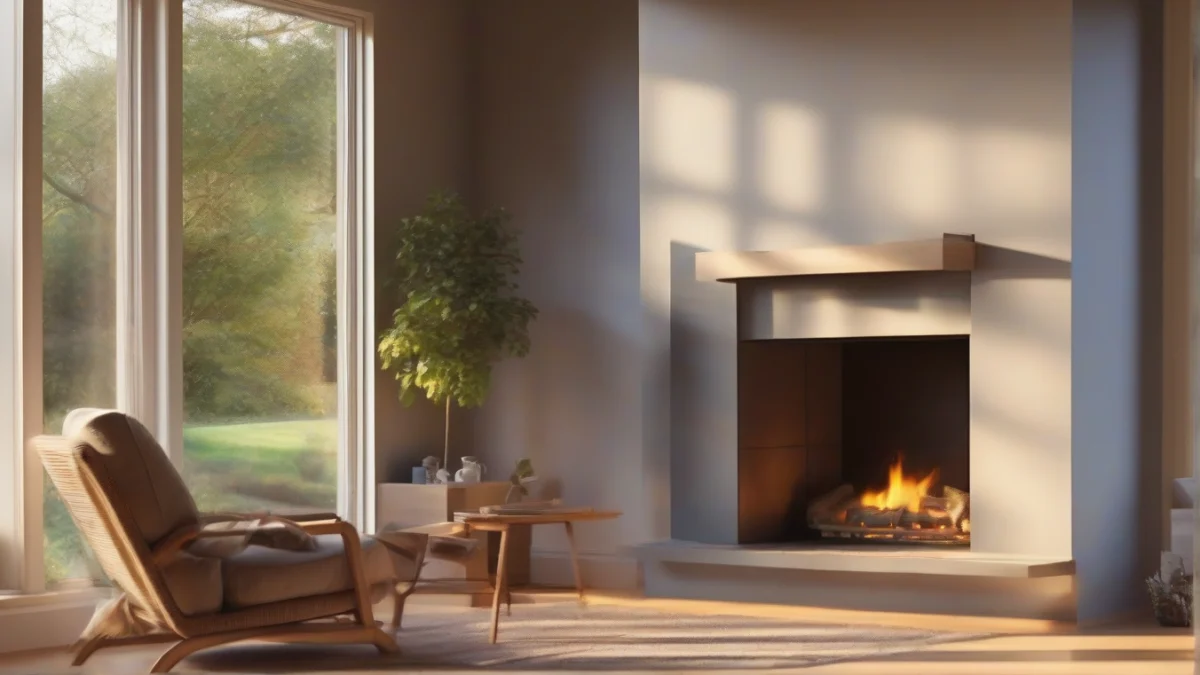
Direct vent gas fireplaces, the most common residential type, use a sealed glass front and a dual pipe system—one pipe draws fresh air in from outside, and the other expels exhaust. This setup prevents room air contamination and is mandated by residential codes for most installations.
Some models allow rear venting, but this must follow the exact specifications in the installation manual and local code to avoid unsafe conditions or poor performance.
Clearances to combustibles are critical for safety. Manufacturers specify minimum distances to walls, ceilings, and furniture. Ignoring these can cause fires or damage.
For example, the Duluth Forge model requires at least 42 inches of clearance from the top of the fireplace to the ceiling. This prevents overheating nearby materials and ensures proper airflow above the unit.
Electricity is generally not needed to maintain the flame. Instead, it powers ignition systems, remote controls, or blower fans that circulate warm air. The flame itself burns from gas supplied via the line and operates independently of electric power.
Choosing The Right Type For Your Room
Indoor gas fireplaces come in several types: vented, ventless, propane, and electric replacements. Vented fireplaces need a chimney or direct vent to exhaust combustion gases, while ventless models burn fuel cleanly enough to release heat and combustion products directly into the room, subject to local code.
A propane fireplace is simply a gas fireplace designed to run on propane instead of natural gas. It’s ideal where natural gas lines don’t reach but propane tanks can be installed safely. Many ventless and vented units are approved for either fuel, but you must install the correct burner and regulator for propane.
If your home already has gas access and you want a ventless option that heats efficiently and fits into an existing fireplace opening, the Duluth Forge Dual Fuel Ventless Gas Fireplace Insert (Product 1) is a solid choice. It runs on both natural gas and propane, delivers 32,000 BTU, and doesn’t require venting.
Electric fireplaces make sense if you lack a gas line or vent path, or prefer a simpler installation with less upkeep. They don’t burn fuel or need venting, so they usually cost more to run but are easier to maintain and install anywhere with electricity.
Converting a gas fireplace to electric often involves removing or properly sealing the gas line and old venting according to local code. Simply inserting an electric fire into an old gas fireplace opening without a professional permit and removal of the gas appliance and vent is unsafe and likely illegal.
For remodels with existing fireplace openings, vented gas fireplaces fit well if you can install or reuse proper venting. Ventless inserts like Product 1 may also fit if local codes allow and gas is available. Electric inserts can provide the look without venting but require steps to decommission the old gas setup safely.
| Type | Best For | Fuel | Venting Required | Typical Use Case |
|---|---|---|---|---|
| Vented Gas Fireplace | Living rooms with existing chimney or vent | Natural gas or propane | Yes | Homes with gas lines and venting |
| Ventless Gas Fireplace | Finished rooms without venting | Natural gas or propane | No | Gas line available, code permits |
| Propane Fireplace | Locations without natural gas | Propane | Depends on model | Rural or off-grid homes |
| Electric Fireplace | No gas or vent access | Electricity | No | Simple install, cosmetic only |