

Say your furnace heats 1,800 square feet and burns propane all winter while the panel already has room for a dedicated electric circuit. The question is less about “can it be done” and more about what you get for the fuel bill, the comfort, and the work required to change the system.
A straight electric furnace is simple physics: a metal element gets hot and a blower moves that heat through the ducts. A heat pump is different; it moves heat instead of making it, which is why it usually costs less to run in winter.
Switching From Propane Furnace to Electric
Switching from a propane furnace to electric heating usually means trading lower maintenance for potentially higher operating costs, depending on your electricity rate and the type of electric system you choose. Propane furnaces burn fuel directly to heat air, while electric systems heat either by resistance or with a heat pump that moves heat from outside to inside.
A propane furnace uses combustion of propane gas to warm your home, which doesn’t require electricity to run the flame but uses it for the blower and controls. If your propane furnace stops working during a power outage, you lose heat because the blower won’t push warm air. In contrast, electric heating systems need power to operate but offer different options.
Electric resistance heating—like baseboard heaters or electric furnaces—works by converting electricity directly into heat. It delivers the same heat output no matter the outdoor temperature. A heat pump, however, transfers heat from the outside air to the inside, using electricity more efficiently in mild to moderate climates, but its performance and savings drop as temperatures fall.
To compare costs, consider that 1 kilowatt-hour (kWh) of electricity produces about 3,412 BTUs of heat. Propane contains around 91,500 BTUs per gallon and modern propane furnaces run at 90% efficiency or better. For example, if propane costs $3 per gallon and electricity is 17 cents per kWh, one gallon of propane provides 82,350 usable BTUs (91,500 × 0.9), while 1 kWh provides 3,412 BTUs. You’d need about 24 kWh of electricity to match one gallon of propane’s heat, costing about $4.08, which is more than the $3 for propane. But propane prices, furnace efficiency, and your electric rate all shift this balance.
Homes with good insulation, sealed ducts, and an electrical panel ready for the extra load benefit most from switching to electric. Electric heat pumps especially shine here, cutting heating costs and providing cooling in summer. However, drafty homes or those with high electric rates can see bills rise. Also, if your electrical panel or wiring needs major work to support electric heat, the upfront costs may outweigh the advantages.
If your propane furnace runs without electricity, it’s a rare model because most use electric blowers and controls. That means switching to electric heat usually demands reliable electrical service and possibly upgrades. When you plan the change, consider the system type, your climate, your home’s insulation, and your current energy rates to decide if electric heating will save you money and deliver comfort.
Measure The Load Before You Change Heat Sources
Propane furnaces offer benefits like rapid heating and independence from electricity for basic operation, but they produce combustion fumes requiring proper venting and carbon monoxide alarms for safety.
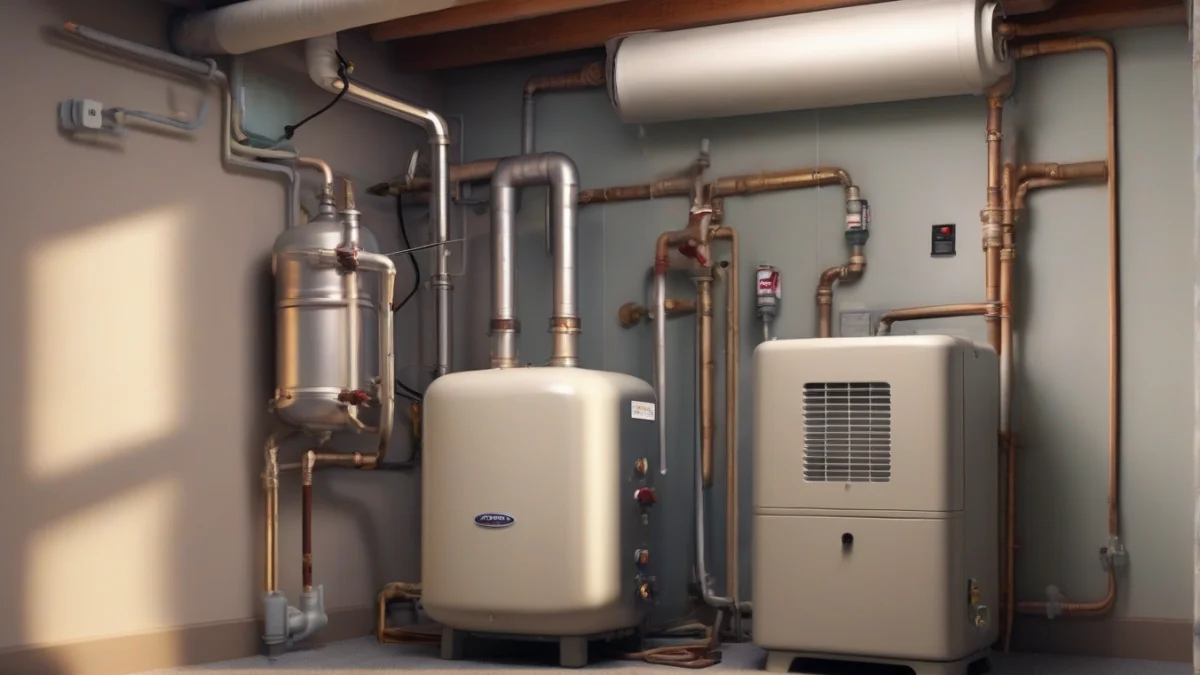
Propane furnace efficiency ratings generally range from 80% to 98%, reflecting how much fuel heat reaches your home. Electric resistance heat is nearly 100% efficient in converting electricity to heat, but electricity costs per BTU are often higher than propane’s fuel cost per BTU.
Running cost depends on your local prices: propane’s energy content is about 91,500 BTU per gallon. If propane costs $3.00 per gallon, that’s about 3.27 cents per 1,000 BTU. Electricity at 15 cents per kWh means 29 cents per 1,000 BTU, nearly nine times more expensive for pure resistance heat. Heat pumps, with a coefficient of performance (COP) of 2 to 3, deliver two to three times more heat per kWh, reducing electric cost closer to or below propane in some cases.
| Heat Source | Cost per 1,000 BTU | Notes |
|---|---|---|
| Propane Furnace | ~3.3 cents | Depends on propane price |
| Electric Resistance Heat | ~29 cents | At 15¢/kWh electricity |
| Heat Pump | ~10–15 cents | COP 2–3 reduces cost |
Comfort varies: electric resistance heaters provide steady, consistent heat. Propane furnaces cycle the burner and blower, causing fluctuating warmth. Heat pumps run longer but produce cooler air at the registers, which can feel less hot but maintains steady room temperature.
Safety considerations differ. Propane systems need venting, combustion air supply, and carbon monoxide alarms due to combustion gases. Electric heat eliminates combustion risk but requires proper wiring, breakers, and overheating protection to prevent electrical hazards.
Electric heat keeps working during propane supply interruptions, assuming the home’s electrical service remains intact. Propane furnaces will not operate without fuel.
Maintenance shifts with the switch. Electric furnaces have no burners, pilots, or flues to service but still need regular filter changes, blower maintenance, and electrical connection checks to keep running safely and efficiently.
Compare Running Cost, Comfort And Safety
A propane furnace offers fast heating without electricity, which means it can run during power outages and deliver warmth quickly. However, propane combustion produces fumes that require venting and a carbon monoxide alarm to keep your home safe.
Propane furnaces vary in efficiency, typically between 80% and 95% AFUE (Annual Fuel Utilization Efficiency), which means a portion of the fuel’s heat escapes up the flue. Electric resistance heat converts nearly 100% of electricity into heat, but the cost per BTU delivered tends to be higher unless you use a heat pump.
| Heating Type | Fuel Cost per Delivered Million BTU | Notes |
|---|---|---|
| Propane Furnace | Typically measured in the range common for residential propane usage | Based on $2.50 per gallon propane and 85% efficiency |
| Electric Resistance Heat | Often falls within a monthly range typical for propane heating in homes | At 12 cents/kWh, 100% efficiency |
| Electric Heat Pump | Refilling a propane tank usually costs an amount consistent with local propane market rates | COP 2.5 to 4, variable by outdoor temp |
Electric resistance heating draws about 12.5 amps on a standard 1,500 W heater. Running it for eight hours uses 12 kWh. At 17 cents per kWh, that’s about $2.04 per night. Propane furnaces burn fuel on demand, cycling the burner and blower, which means the heat output pulses rather than staying steady. Electric resistance keeps a steady output, making the room temperature feel more constant.
Heat pumps run their compressor and fans more continuously but deliver heat at a lower temperature, so the registers don’t feel as hot. This longer run time often feels more comfortable and reduces dry air compared to propane furnace cycling.
Safety risks shift when you move from propane to electric. Propane systems need proper venting, combustion air supply, and working carbon monoxide alarms. Electric heaters remove combustion risk but require correctly sized wiring, breakers, and built-in overheat and tip-over protection to avoid fires or electrical faults.
Electric heat will keep working during propane supply problems, but only if your home’s electricity stays on. Propane furnaces can run without power only if they have a standing pilot or battery backup for the blower controls, which many modern models lack.
Maintenance drops with electric heat because there are no burners, pilot lights, or flues to clean. Still, filters, blower motors, and electrical connections in an electric furnace require regular attention to keep the system safe and efficient.
Know Which Rooms Fit Electric Heat Best
Most propane furnaces serve entire houses, including residential models, wall furnaces, and direct-vent units that safely exhaust outside. Switching to electric heat works best in finished, insulated spaces like bedrooms and basements, where maintaining steady warmth is easier.
Rooms with poor insulation, garages, or leaky additions pose challenges for electric heat. These spaces lose heat quickly, making electric resistance more costly and less comfortable. In such cases, sticking with propane or supplementing with a dedicated heater might be better.
If you have one cold zone, converting just that room to electric heat can make more sense than replacing your whole propane furnace. Electric baseboards or ductless heat pumps provide targeted warmth without rewiring or replacing ductwork.
Ductless heat pumps fit well in spaces where adding ducts is impractical. Electric baseboard heaters work in small rooms and can easily replace wall-mounted propane furnaces like cozy wall furnaces. Both options avoid major remodeling and offer precise control.
What To Check Before You Pull The Trigger
Start by calculating the heating load accurately to know what size electric system you need and if your home’s electrical panel can handle the extra demand.
If your house has a propane water heater or gas fireplace, switching to electric on those as well can change your fuel use significantly, not just swapping the furnace.
Switching from a natural gas water heater to an electric one often means upgrading electrical circuits and considering tank size or tankless options to meet your hot water needs.
Replacing a gas fireplace with electric requires checking for proper wiring and possibly adding thermostat controls, but it avoids venting concerns.
For homes currently heated by oil, switching to electric follows similar steps but also needs a close look at fuel delivery systems being retired.
Eversource customers moving from oil to all-electric heating should confirm service capacity and local incentives before scheduling work.
Licensed trades should handle any work involving electrical service upgrades, thermostat wiring changes, duct modifications, or vent removal from combustion equipment.
Decide if you want a full-furnace replacement or just a partial electric supplement for certain rooms; the latter can be faster and less costly but less comprehensive.
If You Still Need Propane Heat, Fix The System First
A propane furnace works by burning propane to heat air, which a blower then circulates through your home. Knowing how yours works helps you spot common issues.
Efficiency varies by model, but routine maintenance like cleaning filters and checking flame quality keeps propane furnaces running near their rated 80% to 95% efficiency.
Some homes have propane boilers or hot water furnaces heating radiators or baseboards; these systems need their own checks but share similar maintenance needs.
Propane air and heat units that don’t require electricity exist but are less common and typically found in off-grid or emergency setups.
Check basics like air filters, vent clearances, thermostat settings, and flame sensor signals. Review service records for past repairs or tune-ups.
If the furnace is unsafe or undersized for your heat load, replacement planning is necessary but may still include propane or a hybrid system.
Understanding your propane furnace well and caring for it can save money and delay a costly switch. For more details on propane furnace operation and maintenance, see How a Propane Furnace Works and What You Need to Know.
Frequently Asked Questions
How much does it cost to switch from propane furnace to electric heat?
Is a propane furnace an inexpensive way to heat a home?
What is the difference between an electric furnace and a heat pump?
Can I switch from propane heat to electric without replacing the ducts?
What should I check before converting from propane to electric heat?

I am a mechanical engineer and love doing research on different home and outdoor heating options. When I am not working, I love spending time with my family and friends. I also enjoy blogging about my findings and helping others to find the best heating options for their needs.
Related guides
How To Choose The Best Gas Stove For Your Kitchen
You walk into a showroom or scroll through Amazon and see thirty gas stoves that all look the…
How to Convert a Traditional Fireplace to Gas in 5 Steps
To convert a traditional fireplace to a gas fireplace, install a gas line, replace the existing insert with…

Gas Stove Maintenance: 12 Pro Tips for Maximum Efficiency
You turn on the burner and notice the flame flickers unevenly. Maybe it's yellow at the tips, or…
