

A hot water hydronic boiler efficiently heats water for residential or commercial heating systems, providing consistent warmth through radiators or underfloor heating.
A hot water hydronic boiler is a smart choice for efficient home heating. These systems use water to transfer heat through radiators, baseboards, or radiant floor systems. Unlike forced-air systems, hydronic heating provides consistent warmth without drafts or dust circulation.

Panasonic
Panasonic Hot Water Dispenser, Electric Kettle with…
- Versatile, medium-capacity hot water dispenser: Panasonic thermal pot prepares 3.2 quarts (3L) of heated water for tea, instant co…
- Slow-drip coffee feature: Electric hot water pot with slow-drip mode for fresh drip-brewed coffee with the push of a button; place…
- Water boiler and warmer with four automatic temperature settings: Four precise settings (208, 190, 180 and 160°f) automatically he…
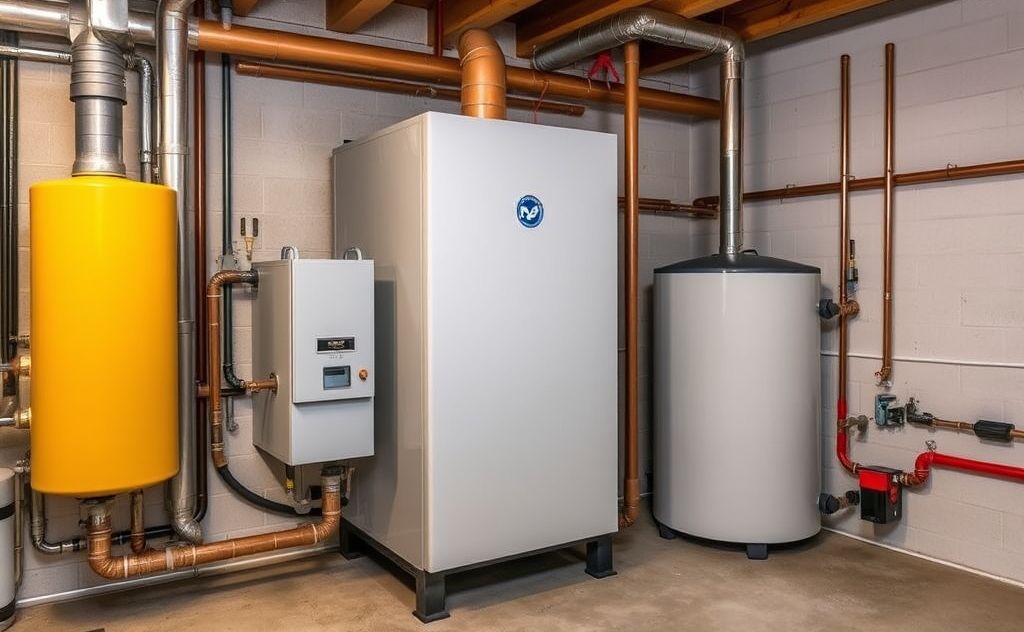
How Hydronic Boilers Work
Hydronic boilers heat water that circulates through a closed loop system. The heated water transfers warmth to your living spaces through various distribution methods. These systems maintain precise temperature control while operating quietly.
Key Components
- Heat exchanger – Transfers heat from fuel source to water
- Circulation pump – Moves water through the system
- Expansion tank – Accommodates water volume changes
- Controls – Regulate temperature and operation

Types of Hydronic Heating Systems
Traditional Boiler Systems
Standalone boilers dedicated to space heating. These systems often pair with separate water heater controls for domestic hot water needs.
Combi Boilers
Combination units that provide both space heating and domestic hot water. Navien’s tankless combi boilers offer compact solutions with high efficiency ratings.
Hydro-Air Systems
These systems use a hydronic air handler with fan to distribute heat through ductwork. They combine the efficiency of water heating with the air distribution of forced-air systems.
Benefits of Hydronic Heating
| Feature | Benefit |
|---|---|
| Energy Efficiency | Water retains heat better than air, reducing energy waste |
| Comfort | Even heat distribution without drafts or hot/cold spots |
| Quiet Operation | No blower noise associated with forced-air systems |
| Improved Air Quality | No ductwork to circulate dust and allergens |
Installation Considerations
Proper installation ensures optimal performance. Key factors include:
- Accurate heat load calculation
- Proper pipe sizing and layout
- Appropriate boiler sizing
- Zone control planning
According to Navien’s technical experts, modern condensing boilers can achieve efficiency ratings up to 98%.
Maintenance Requirements
Regular maintenance extends system life and maintains efficiency:
- Annual professional inspection
- Water quality monitoring
- Pump and valve checks
- Pressure adjustments
For systems using anode rods, regular replacement prevents tank corrosion.
Common Applications
Hydronic boilers work well in various settings:
- Residential homes
- Multi-family buildings
- Commercial spaces
- Industrial facilities
As noted in heating professional forums, proper system design is crucial for effective operation.
Choosing the Right System
Consider these factors when selecting a hydronic boiler:
- Home size and layout
- Climate conditions
- Fuel availability
- Budget constraints
- Future expansion plans
Related pick: Check today's price on Amazon

I am a mechanical engineer and love doing research on different home and outdoor heating options. When I am not working, I love spending time with my family and friends. I also enjoy blogging about my findings and helping others to find the best heating options for their needs.
Related guides
Are Hydronic Boilers Eco-Friendly? The Truth Revealed
You've heard the buzz about hydronic heating — warm floors, whisper-quiet operation, no dusty air blowing around. But…

How to Size a Hydronic Boiler for Maximum Efficiency (Myth-Buster Guide)
Calculate heat loss and set boiler temps right to size your hydronic boiler for efficient, reliable heating.

How Hydronic Boilers Work: The Complete Guide to Efficient Heating
A hydronic boiler heats water, which circulates through pipes to radiators or underfloor systems, providing efficient, even heating…
