Gas Line for Space Heater: Common Installation Mistakes to Avoid
On this page 6 sections
Installing or replacing a gas line for your space heater is not just a matter of hooking up a hose. Choosing the right connector type, size, and length matters for safety, comfort, and cost. A wrong or poorly installed gas line can cause leaks, inefficient heating, or even dangerous situations.
This article explains how gas lines for space heaters work, what types and sizes to use, how to install them safely, and what maintenance you need to keep your heater running smoothly this winter.
Gas Line Requirements for Space Heaters
A gas line for a space heater is typically a flexible stainless steel connector or a rigid black iron pipe sized 1/2 inch or sometimes 3/8 inch, designed to deliver natural gas or propane safely and efficiently. The correct gas connector size for a space heater usually matches the heater’s inlet fitting and includes a shut-off valve and regulator to control gas flow and pressure.
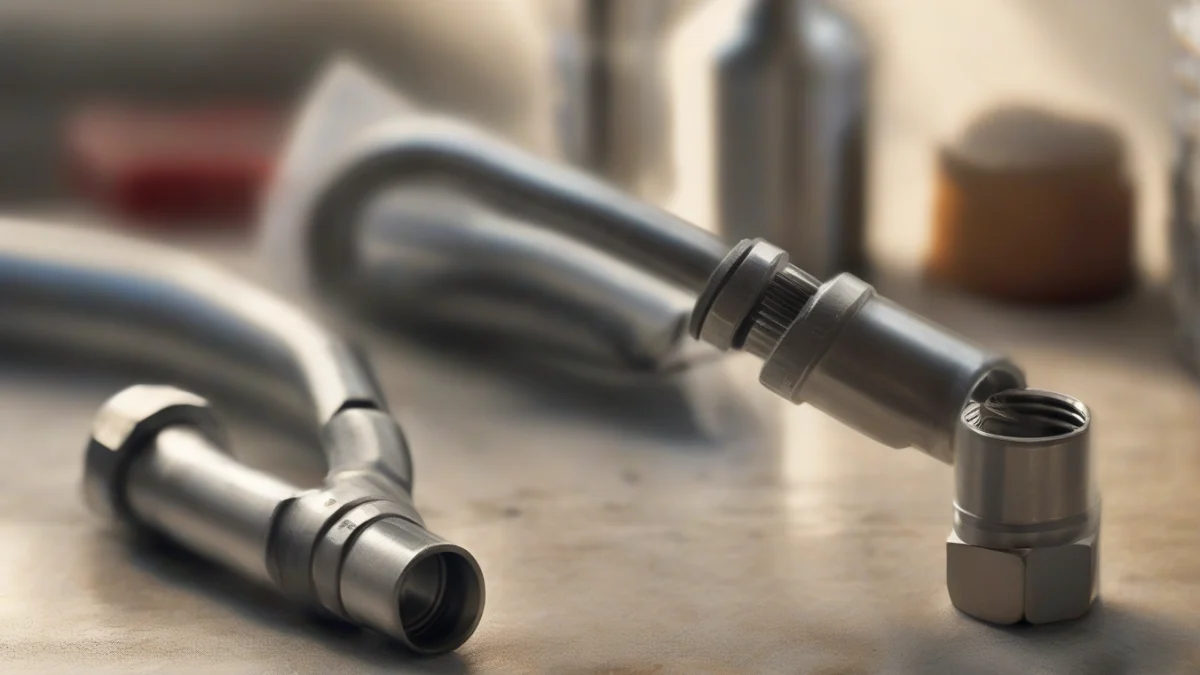
Flexible stainless steel gas connectors are common for indoor use. They come coated in yellow for propane or stainless steel finish for natural gas, offering durability and flexibility to navigate around obstacles. Black iron pipe is a rigid alternative, often used in permanent installations or outdoors where flexibility is less critical.
Gas connector sizes commonly found are 1/2 inch in diameter, with some fittings at 3/8 inch to match specific heater inlets. Lengths vary from 12 to 36 inches for flexible connectors, while quick disconnect hoses offer longer lengths, typically 2 to 20 feet. Selecting the right length prevents tension or kinks that could cause leaks.
A shut-off safety valve is essential near the heater to quickly stop gas flow in emergencies or for maintenance. Valves are usually 1/2 inch and must be easy to reach and operate. A pressure regulator is also needed on propane heaters to maintain consistent gas pressure within the heater’s rating.
Most gas connectors are rated for pressures up to around 0.5 psi and capacities near 33,000 to 34,000 BTU, enough for most residential space heaters. Always check your heater’s specifications and local codes to confirm compatibility and pressure limits.
Matching the gas line to your heater’s inlet fitting is critical. Many heaters use 1/2 inch male iron pipe (MIP) threaded fittings, but some models require 3/8 inch flare fittings. Adapters are available to connect differing sizes and types securely.

How to Install a Gas Line Safely for Your Space Heater

To install a gas line for a space heater safely, start by turning off the main gas supply and gathering the right tools: pipe wrench, adjustable wrench, pipe thread sealant, and the gas connector or pipe kit matching your heater’s fittings.
Begin by attaching the gas line to the shut-off valve near the heater. Use pipe thread sealant or Teflon tape rated for gas on threaded connections to prevent leaks. Avoid over-tightening; snug plus a quarter turn is usually enough to seal without damaging threads.
Gas connectors may use flare fittings or pipe threads. Flare fittings create a metal-to-metal seal and are common on propane appliances. Pipe fittings screw together with sealant. Know your heater’s inlet type to choose the correct method and adapters if needed.
Install a manual shut-off valve within 6 feet of the heater, ideally closer, where it’s easy to reach. This valve lets you stop gas flow quickly during emergencies or servicing.
If using a quick disconnect gas hose, ensure it is certified for indoor use and rated for the heater’s BTU load. These hoses make service easier but must be installed following manufacturer instructions and local codes.
After all connections are tight, restore gas supply and test for leaks by applying a soap and water solution to all joints. Bubbles indicate leaks that require tightening or resealing. Never test with a flame.
If you’re unsure or the installation requires new gas piping or regulators, hire a licensed professional. Gas leaks can cause fire, explosion, or carbon monoxide poisoning if the heater is indoors.
Choosing the Right Gas Connector for Your Heater Model
Gas connector compatibility hinges on matching your heater’s inlet fittings with the connector’s size and type. Most space heaters use 1/2-inch connectors, but some models require 3/8-inch fittings. Always check your heater’s manual to confirm.

Yellow coated stainless steel hoses offer corrosion resistance and flexibility, making them a top choice for indoor and outdoor use. Black quiet-flex hoses are quieter when gas flows but usually less flexible and more suited for indoor use only. Stainless steel flexible hoses combine durability and flexibility, ideal outdoors where weather resistance matters.
Quick disconnect gas hoses let you easily detach your heater without tools—handy for portable models. However, they have length limits, commonly 2 to 20 feet, and are less common for permanent indoor installations. Make sure any quick disconnect you use is CSA certified and rated for your heater’s pressure and BTU output.
Some heaters require specific connectors. For example, certain parasolSchwank models come with propane regulator and hose kits tailored to their fittings. If your heater uses flare fittings, adapters exist to connect them to standard pipe threads, usually converting 3/8-inch flare to 1/2-inch pipe fittings.
Outdoor flexible stainless steel connectors resist rust and UV damage better than yellow plastic-coated ones. Still, secure those hoses against abrasion and protect fittings from moisture to extend their life.

 Winter Heating Bill CutterSee what every heater in your home really costs, heat the rooms you use, and cut the waste in 30 days.Cost-per-hour tables for every heaterThermostat schedule and draft-proofing planRunning-cost and bill calculator (Excel)
Maintaining and Inspecting Gas Lines for Space Heaters
Inspect gas lines and connectors at least once a year, ideally before the heating season starts. Look for signs of wear, cracking, corrosion, or loose fittings that could cause leaks.
Corrosion often appears as rust or discoloration on metal connectors, while flexible hoses may crack or become brittle with age. Any damage or leaks call for immediate replacement—don’t try to patch a gas hose.
If your propane heater’s gas line seems clogged, usually indicated by reduced flame size or sputtering, clear it by shutting off the gas, detaching the line, and blowing it out or replacing it. Never attempt to clear blockages with flammable tools or open flames.
Replace gas hoses every 5 years or sooner if damaged. Frequent bending or exposure to moisture shortens their lifespan. Always use hoses rated for your heater’s gas type and pressure.
Adapters and Valves Needed for Gas Line Connections
Adapters for a gas line to a space heater usually connect different fitting types and sizes, such as 3/8-inch flare adapters to 1/2-inch pipe fittings. These let you join the flexible gas connector to the existing rigid pipe or the heater inlet securely.
A shut-off valve near the heater is essential for safety and convenience. It lets you quickly stop gas flow during maintenance or emergencies without shutting off the main supply. These valves are typically 1/2 inch and designed for easy manual operation.
Flare fittings and pipe fittings differ in sealing method and shape. Flare fittings use a flared tube end tightened with a flare nut to create a gas-tight seal, common on flexible connectors. Pipe fittings screw together with pipe thread sealant, used mostly on rigid black iron pipe.
For propane space heaters, a properly sized propane regulator and LP gas control valve are critical to reduce tank pressure to a safe, steady flow for the heater. Propane regulator and hose kits for specific heater brands can simplify correct installation and ensure compatibility.
Matching your connectors, adapters, valves, and regulators carefully avoids leaks and pressure issues. If you’re unsure about local code or installation steps, a licensed professional should handle the connections to keep your space heater running safely and efficiently.