

Electric under tile heating is a popular choice in new construction for its comfort and efficiency. It works by using electric cables or mats placed under tile floors to radiate heat directly upward.
Many believe electric under tile heating systems are fragile or short-lived. That’s only half true: older or poorly installed systems can fail early, but modern products with proper installation can last 30 years or more.
Durability of Electric Under Tile Heating in New Construction
Electric under tile heating systems in new construction typically last 25 to 50 years when installed correctly, with many products offering lifetime limited warranties. The durability depends heavily on installation quality, tile and subfloor choice, and system design.
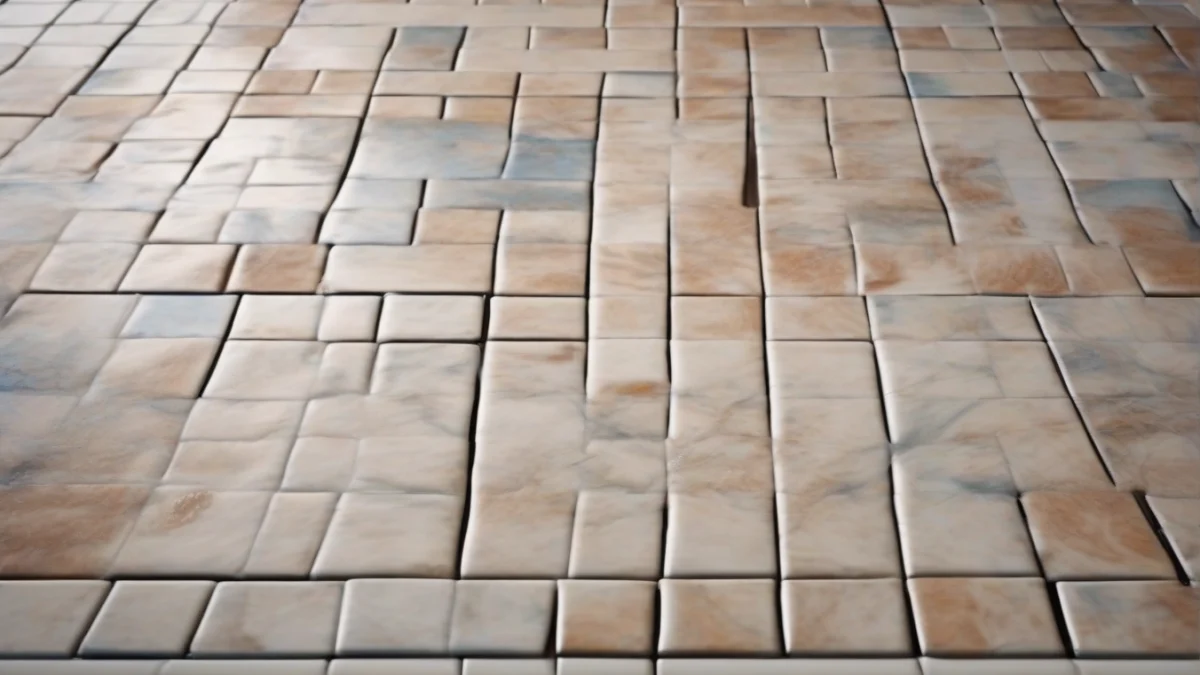
Heating mats and cables embedded beneath tile are built to withstand the pressures of tile installation and daily use. Most heating mats use tough, insulated copper wiring within a tough polymer jacket and are covered by a mesh mat to distribute heat evenly and reduce stress points.
| Component | Lifespan (years) | Warranty |
|---|---|---|
| Heating mats and cables | 25 to 50 | Up to lifetime limited warranty |
| Thermostats and controls | 10 to 20 | 5 to 10 years |
| Subfloor and tile | 50+ (if properly installed) | Varies by manufacturer |
Installation quality is critical. The heating elements must be embedded in a proper thinset or self-leveling compound with no gaps or voids, and the electrical connections sealed and protected. Poor installation can cause cold spots or overheating, which accelerates wear or causes failures.
Electric under tile heating generally has fewer moving parts and no fluid to leak compared to hydronic radiant heating systems, giving it a durability advantage in new construction. Hydronic systems with PEX tubing can last 30 to 50 years but require pumps, manifolds and occasional maintenance.
Tile type and subfloor material also affect durability. Porcelain and ceramic tiles with good adhesion and minimal expansion minimize stress on heating mats. Cementitious or concrete subfloors provide a stable base that protects heating cables from damage. Floating floors or wood subfloors require decoupling membranes to prevent movement from stressing heating elements.
Common failure modes include cable damage during installation, thermostat or sensor failure, and insulation breakdown from moisture intrusion. Using a quality uncoupling membrane and following manufacturer installation guidelines prevents many issues. Thermostats with dual sensors for air and floor temperature extend system life by avoiding overheating.

Installation Methods That Maximize Electric Heating Durability
The durability of electric under tile heating hinges on proper installation practices that protect the system from mechanical and thermal stress. Early care during installation prevents costly failures and extends system life.
Start with the subfloor. Concrete slabs or properly prepared plywood provide stable, flat bases. Uneven or weak subfloors risk tile cracking and damage to heating cables. Always clean and dry the subfloor to ensure good adhesion and prevent moisture-related issues.
Electric heating coils require no maintenance once embedded, but they must be protected from damage during installation. Avoid cutting or crossing cables, and keep them evenly spaced as per manufacturer instructions. Use cable alarms or continuity testers before covering cables to confirm no damage occurred.
Thermostats designed for electric floor heating often include ground fault circuit interrupters (GFCI) for safety. They maintain consistent floor temperatures, reduce thermal cycling, and help extend the life of the heating system by preventing overheating and power surges.
Thermal expansion and contraction are inevitable in tile floors. The installation method must accommodate this movement. Use expansion joints where recommended and avoid rigid bonding that transfers stress to cables or tile.

Running Costs and Comfort of Electric Under Tile Heating
Electric under tile heating generally costs more per hour to run than oil heating, but it offers superior comfort and precise control that often justifies the price.
A typical electric system uses about 10 to 20 watts per square foot. Say your bathroom is 100 square feet and you run the heater 4 hours daily at 15 W per square foot. That’s 1,500 W for 4 hours, or 6 kWh daily. At 17 cents per kWh, the daily cost is about $1.02.
Oil heating burns fuel at roughly 138,000 BTU per gallon with an efficiency around 80%. Running an oil heater to match that heat output might cost less per hour but lacks the even warmth electric radiant floors provide.
| Heating Type | Typical Power or Fuel Use | Estimated Daily Cost |
|---|---|---|
| Electric under tile heating | 1.5 kW × 4 hours = 6 kWh | 1.02 per kWh |
| Oil heating (equivalent heat) | About 0.1 gallon at 80% efficiency | Approx. 0.80 to 1.00 per gallon, depending on oil price |
Comfort is a big advantage of electric radiant floors. The heat comes evenly from the floor surface, warming the room and occupants directly without blowing air or causing drafts. This reduces cold spots and improves perceived warmth at lower thermostat settings.
Electric systems run with a coefficient of performance (COP) near 1, meaning almost all the electrical energy is converted to heat. Hydronic systems paired with heat pumps can have higher COPs, but electric under tile heating’s direct radiant heat often feels more efficient in daily use.
Thermostats for electric under tile heating are specialized to manage floor temperature and maintain comfort without overheating. They often include floor sensors and programmable schedules to optimize running times and reduce energy waste.
You can supplement oil heating with electric under tile systems effectively. Use electric radiant floors in bathrooms or small areas to provide immediate, comfortable heat without firing up the main oil furnace. This combo improves overall comfort and can save fuel costs.
Room size and insulation matter. Electric under tile heating suits small to medium rooms or spaces where you want zoned control. Large, open areas might be costly to heat entirely with electric floors.
Control options include Wi-Fi thermostats and integration with home automation, letting you set schedules and monitor usage remotely. This precision helps minimize running costs and tailors heating to your lifestyle.
Choosing the right balance between electric under tile heating and your main heat source depends on your home’s layout, fuel prices, and comfort preferences. Electric radiant floors shine where you want consistent warmth underfoot and precise temperature control.
For more detailed product options and cost comparisons, see best electric under-tile heating mats cables.
Tile Cracking and Floor Damage from Electric Under Tile Heating
Electric under tile heating rarely causes tile cracking or floor damage when the system and installation are properly chosen and executed.
One notable product, Warmup’s DCM-PRO system, incorporates a decoupling membrane that absorbs the stresses from thermal expansion and contraction. This membrane creates a buffer layer between the heating mat and the tile, preventing the tile from cracking as temperatures fluctuate seasonally.
Tiles and subfloor materials expand and contract with heat. Without a decoupling system or flexible adhesive, this movement can cause stress cracks. In new construction, these stresses are predictable and manageable with proper materials and installation.
Poor installation practices—like uneven floor leveling, incorrect adhesive choice, or heating cables placed too close together—also increase damage risk. The heating system’s warranty often requires specific installation methods to remain valid.
Damage signs include hairline cracks in grout or tiles, uneven tile surfaces, or loose tiles. Early detection allows for corrective measures before larger repairs become necessary.
Maintenance to Keep Electric Under Tile Heating Reliable
Electric heating coils under tile require little direct maintenance but depend heavily on proper thermostat function and periodic system checks.
The thermostat controls system temperature and prevents overheating. Regular calibration ensures accurate temperature sensing, which maintains comfort and protects the heating elements from damage.
Sensor checks involve confirming the floor sensor remains properly embedded and undamaged, as a faulty sensor can cause erratic heating cycles or system shutdown.
In case of cable or mat failure, replacement involves removing affected tile sections, which is why durable installation and warranty coverage matter. Avoid DIY repairs on heating coils to prevent further damage.
Tile Types and Subfloor Materials Affecting Heating Longevity
Tile types and subfloor materials directly influence the durability of electric under tile heating by affecting heat transfer and mechanical stress on the system.
Ceramic and porcelain tiles conduct heat differently: porcelain has higher density and lower porosity, meaning it transfers heat more evenly and efficiently. Ceramic tiles, while still good conductors, absorb more moisture and heat unevenly, which can cause minor thermal cycling stress on heating cables or mats over decades. Stone tiles like slate or marble have variable thermal conductivity, generally lower than porcelain, resulting in slower heat-up times but more retained warmth once heated.
| Tile Type | Thermal Conductivity |
|---|---|
| Porcelain | 1.0 to 1.5 |
| Ceramic | 0.6 to 1.0 |
| Natural Stone (marble, slate) | 0.5 to 1.3 |
Subfloor materials also matter. Concrete slabs offer stable, high thermal mass and excellent heat distribution, minimizing temperature fluctuations that can stress the electric heating elements. Plywood subfloors require a proper thermal barrier and a decoupling membrane to protect cables from movement and moisture, as wood expands and contracts more than concrete. Floating floors are generally less compatible because movement can wear heating wires or mats unless a flexible uncoupling system is installed.
Using uncoupling membranes and compatible adhesives is crucial for longevity. These membranes absorb substrate movement and prevent tile cracking, reducing strain on the heating elements. Adhesives must be rated for radiant heating to avoid degradation under thermal cycling, which would expose wiring or cause system failure.
Heat distribution affects system stress. Even heat prevents hotspots that degrade the heating cables’ insulation. Concrete slabs balance heat well; thin-set and membrane layers add resistance that must be minimized. Uneven heat causes expansion and contraction cycles that eventually shorten system life.
Next Steps for a Durable Electric Under Tile Heating System
Questions People Ask
How long do electric under tile heating systems typically last in new construction?
Do warranties usually cover the entire lifespan of electric heating mats?
Can I install electric under tile heating myself or should I hire a pro?
What role do thermostats play in protecting electric floor heating systems?
How often should electric under tile heating be inspected or maintained?
Is electric under tile heating safe to use with all types of tile flooring?
Can electric under tile heating be combined with hydronic radiant heating systems?

I am a mechanical engineer and love doing research on different home and outdoor heating options. When I am not working, I love spending time with my family and friends. I also enjoy blogging about my findings and helping others to find the best heating options for their needs.
Related guides

How to Choose the Best Location for Your Portable Heater
To choose the best location for a portable heater, ensure it's on a flat surface, away from flammable…
Custom Radiant Heater Installation Guide for Perfect Warmth
To customize radiant heater installation, assess your space's layout, insulation, and heating requirements, then choose suitable heater types…
Portable Heater Installation Time: What to Expect
Installing a portable heater typically takes 30 minutes to an hour, depending on the model and setup requirements.…
