Transformed My Home’s Comfort Level Completely!
On this page 8 sections
- Home Comfort Solutions Compared
- Best Home Comfort Solutions Ranked
- How to Choose the Right Home Comfort Solution
- Sizing and Running Costs for Home Heating and Cooling
- Safety and Certification for Peace of Mind
- Smart Features That Enhance Home Comfort
- Why Whole-Home Mini Splits Often Outperform Space Heaters
- Questions People Ask
Home Comfort Solutions Compared
| Rank | Model | Best for | Heat Output (BTU or Watts) | Coverage Area (sq. ft.) | Energy Efficiency (SEER2 or Wa | Price |
|---|---|---|---|---|---|---|
| 1 | Rellytech Mini Split AC/Heating System 18,000 BTUBest Whole-Home | Heating and cooling up to 1,250 sq. ft. with energy efficiency | 18,400 BTU | 1,250 sq. ft. | 19 SEER2 | Check price |
| 2 | Dr Infrared Heater DR-968 Portable Space Heater 1500WBest Large Room Spot Heater | Heating large rooms with infrared and PTC dual system | 5200 BTU | Large room | — | Check price |
| 3 | DREO Smart Electric Wall Heater with Alexa 1500WBest Smart Wall Heater | Wall-mounted heating for rooms up to 750 sq. ft. with smart controls | Rated power: 1500 W | Up to 750 sq. ft. | — | Check price |
| 4 | R.W.FLAME Small Space Heater 1500W CeramicBest Small Room Heater | Heating offices or small rooms up to 130 sq. ft. quietly and safely | 1500 Watts | 108-130 sq. ft. | — | Check price |
| 5 | HOROW T38P Smart Toilet with Bidet and Heated SeatUnique Comfort Solution | Enhancing bathroom comfort with smart bidet and heated seat features | — | — | — | Check price |
Finding the right home comfort solution means balancing heating and cooling power, energy efficiency, and space coverage. The Rellytech Mini Split stands out by delivering strong heating and cooling performance with a 19 SEER2 rating and quiet operation, ideal for maintaining a comfortable temperature all year.
Other options like portable space heaters and smart electric wall heaters fit smaller rooms or supplementary heating needs, while smart toilets with heated seats add comfort in bathrooms but don’t replace heating systems.
Best Home Comfort Solutions Ranked

Rellytech Mini Split AC/Heating System 18,000 BTU
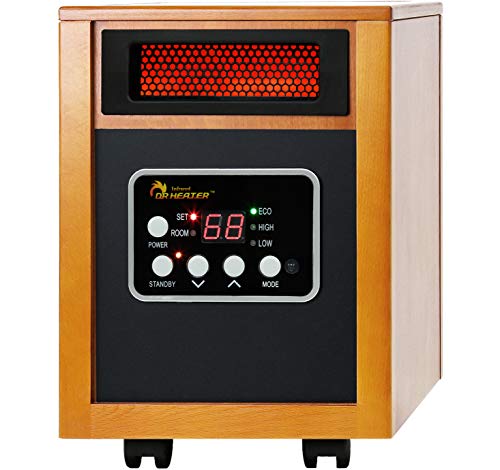
Dr Infrared Heater DR-968 Portable Space Heater 1500W

DREO Smart Electric Wall Heater with Alexa 1500W

R.W.FLAME Small Space Heater 1500W Ceramic
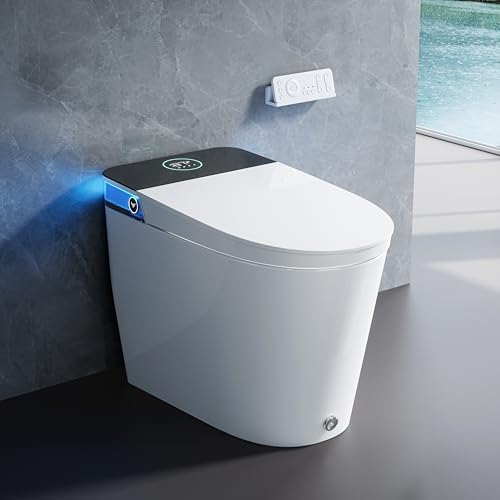
HOROW T38P Smart Toilet with Bidet and Heated Seat
How to Choose the Right Home Comfort Solution
Home comfort solutions depend primarily on matching heating and cooling capacity to your living space’s needs and your personal comfort zone—generally between 68°F and 75°F indoors.
Start by considering the size of the rooms you want to heat or cool. A system sized too small won’t keep your home comfortable, while one too large wastes energy and causes uneven temperatures.

Energy efficiency ratings give you a direct window into running costs. For air conditioners and heat pumps, look for SEER (Seasonal Energy Efficiency Ratio) or HSPF (Heating Seasonal Performance Factor) ratings. Higher numbers mean less electricity spent for the same comfort.
Noise levels matter more than many expect. Some heaters and cooling units run quietly under 50 decibels, suitable for bedrooms, while others can be louder and better placed in living areas or basements.
Smart controls add convenience and can trim bills by scheduling temperature adjustments or learning your habits. Check if the unit installs easily where you need it—ductless mini splits require professional mounting and refrigerant lines, while portable heaters just need a wall outlet.
Sizing and Running Costs for Home Heating and Cooling
The most efficient heating and cooling for residential spaces starts with proper sizing: measure your room’s square footage and factor in insulation quality.
Poor insulation means heat escapes faster, so you’ll need a higher-capacity unit. For example, a 12 by 14-foot room with decent insulation needs about 1,500 watts or roughly 5,000 BTU to stay comfortable.
Estimate energy consumption by wattage or BTU ratings. A 1,500-watt electric heater running 8 hours daily uses 12 kWh. At 17 cents per kWh, that’s about $2.04 a day or $61 a month.
Mini splits typically run with SEER ratings above 19, meaning they deliver more cooling or heating per watt than standard space heaters, which top out near 1,500 watts and lack variable output.
For whole-home comfort without spiking your energy bill, a mini split like the Rellytech system heats up to 1,250 square feet efficiently and quietly, providing a better balance of coverage and cost than multiple portable units.
If you want a quick comparison, a 1,500-watt space heater consumes roughly the same electricity as a 5,000 BTU mini split running at full power, but the mini split’s efficiency and zoning options usually save money over time.
Sizing correctly also avoids the short-cycling problem, where an oversized unit turns on and off too often, raising wear and energy use.
For more on heating options sized to your space and budget, see Transformed Our Home Comfort with This Heat Pump!.
Safety and Certification for Peace of Mind
Home comfort solutions must meet strict safety standards to protect your family and property.
Look for heaters and HVAC systems with ETL, UL, or CSA certification marks. These listings confirm the unit has passed electrical safety tests, reducing risks like shock and fire.
Portable space heaters should include tip-over switches and overheat protection. These features shut the unit off automatically if it falls or gets too hot, preventing fires even if you forget to unplug it.
Mini split systems need proper installation by a qualified technician. Incorrect mounting or poor ventilation can cause refrigerant leaks or inefficient operation, which may lead to costly repairs or health hazards.
Fuel-burning heaters—such as propane, kerosene, or natural gas models—carry a carbon monoxide risk. Only use indoor-rated units with oxygen depletion sensors, and always run them with the ventilation the manufacturer specifies. A working carbon monoxide alarm is essential wherever these heaters operate.
Smart Features That Enhance Home Comfort
Home comfort solutions with smart controls make managing temperature easier and more efficient.
Remote app control lets you adjust settings from anywhere, so you can warm up your home before you arrive or turn off a heater you forgot about. Voice assistant compatibility adds hands-free convenience.
Programmable thermostats allow you to set temperature schedules that match your daily routine. ECO modes optimize energy use by maintaining comfort with less power during low-demand periods.
Auto shut-off timers prevent units from running all night or when no one is home, lowering unnecessary electricity use. Some heaters also offer temperature calibration to keep readings accurate and avoid overheating or underheating.
Smart features can reduce your energy bills by automatically balancing comfort and efficiency. Over a month, running a 1,500 W heater for 8 hours daily costs about 12 kWh; cutting run time or power with smart controls saves real money without sacrificing warmth.
Why Whole-Home Mini Splits Often Outperform Space Heaters
Whole-home mini split systems deliver more efficient heating and cooling for residential spaces than portable space heaters, making them the smarter choice for lasting comfort.
Mini splits use inverter-driven compressors to adjust output continuously, which cuts energy waste. While a 1,500-watt space heater runs flat out, a mini split modulates power to match the load, often using 30% to 60% less electricity per square foot warmed. For example, a unit rated at 18,000 BTU (about 5.3 kW) can efficiently heat or cool up to 1,250 square feet with lower running costs than multiple space heaters covering the same area.
These systems operate quietly because their noisy compressor sits outside, and the indoor air handler runs at low speed. That contrast with ceramic or infrared space heaters that hum, click, or blow fan noise directly into the room. The result is a smoother, more consistent temperature that avoids hot spots or cold drafts, which portable heaters often struggle to manage.
Mini splits also cool and dehumidify, offering year-round comfort. Space heaters provide no cooling or moisture control, so they can’t help in summer or reduce indoor humidity that fuels mold and discomfort. Mini splits maintain balanced indoor air quality by filtering and circulating air while adjusting humidity levels.
A mini split system typically lasts 15 to 20 years with proper maintenance, far longer than the average 3 to 5 years a portable space heater might perform reliably. Their sealed refrigerant system and quality components resist wear better than heating coils or fan motors in space heaters, which face more frequent repairs or replacement.
Choosing a mini split over space heaters means investing in a solution that heats and cools efficiently, runs quietly, improves air quality, and lasts decades—qualities central to a truly comfortable home environment.