

Wood stove pipe venting must follow strict safety standards to prevent fire and carbon monoxide hazards. While it might seem easier to run stove pipe through a window behind the stove, this method conflicts with code and creates serious risks. This article explains why window penetration is unsafe, what clearances and materials are required, how to install a safe pass-through if unavoidable, and safer alternatives to venting through windows.
Running Wood Stove Pipe Through a Window Is Not Recommended
Running wood stove pipe directly through a window opening is not safe and usually violates building codes. Windows are made of combustible materials that can ignite if exposed to the high heat of the stove pipe. Without proper protection and clearances, this setup creates a serious fire hazard.
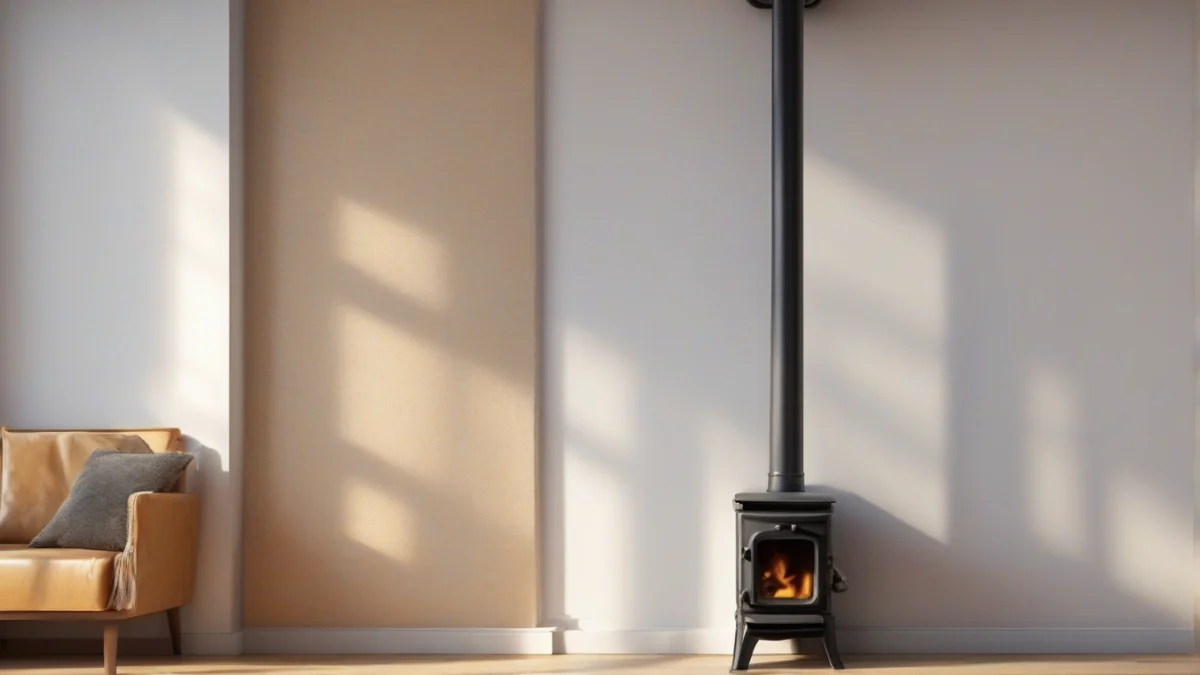
Window frames and glass cannot tolerate the heat from stove pipes, which can reach several hundred degrees Fahrenheit. Standard glass will shatter and wooden or vinyl frames can ignite if exposed to these temperatures without proper protection.
National Fire Protection Association (NFPA 211) and local building codes do not approve windows as pass-throughs for stove pipe. Achieving the necessary clearance—typically 18 inches for single-wall pipe—is virtually impossible in a normal window opening without special materials and construction.
Risks include creosote buildup leading to chimney fires, glass shattering that can spread flames or embers, and smoke backdraft that can fill the room. These hazards can escalate quickly and cause serious damage or injury.
Temporary setups sometimes extend pipe through a window by removing glass and using a metal sheet, but these are never permanent fixes and must be monitored closely. For example, in the UK, running stove pipe through a conservatory window is still unsafe and usually prohibited by regulations.
“Pipping” through windows, a term sometimes used to mean running pipe through a window opening, refers to an unapproved and risky method that compromises safety and code compliance. It should be avoided except as a last resort with proper protective measures in place.
Clearance and Materials Needed for Stove Pipe in Windows

When passing stove pipe through a window, specific clearances and materials are mandatory to prevent fire hazards. Single-wall pipe must maintain at least 18 inches clearance from any combustible material.
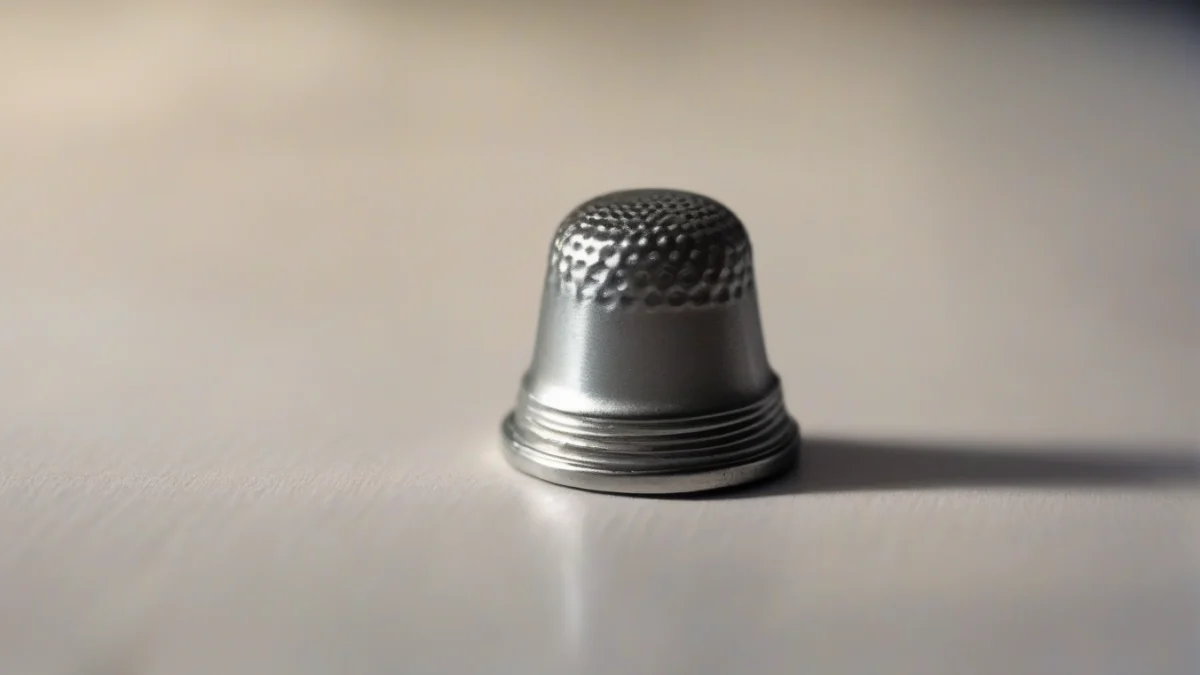
A thimble is a noncombustible sleeve that creates a safe gap between the stove pipe and the window frame. It keeps the pipe from touching combustible wood or vinyl components and maintains the required clearance to prevent heat transfer that could start a fire.
A thimble is essential for creating an air gap and protecting the window framing from heat. It acts as a metal sleeve around the pipe where it passes through the window opening, preventing direct contact with combustible wood or vinyl.
The window opening itself must be framed with noncombustible materials like steel or masonry to withstand heat and avoid ignition. Leaving the original window glass in place is not allowed unless it is fully shielded by a noncombustible barrier, since standard window glass acts as a combustible surface in this context.
Clearance rules and materials ensure that the hot flue gases and pipe surface do not come close enough to ignite or damage the window structure. Without a properly installed thimble and framing, the risk of fire and glass breakage rises sharply.
If you wonder what clearance is required when passing stove pipe through a window or what materials protect combustible window frame members, expect to use certified double-wall pipe, a metal thimble, and steel framing to meet code and keep your home safe.
This setup complies with NFPA 211 and local codes, making the window opening a safe penetration point for stove pipe only when all these conditions are met.
How To Properly Install Stove Pipe Through a Window Opening
Proper installation of stove pipe through a window opening demands removing glass and framing to create a safe, code-compliant passage. The glass cannot remain intact once the pipe passes through since it’s combustible and not rated for stove pipe temperatures.
First, remove the window sash and glass, leaving a clean opening. Frame the opening with noncombustible material such as metal or cement board. Then, install a properly sized thimble that fits the stove pipe snugly but allows an air gap around it. Seal the edges with high-temperature sealant to keep drafts out. Finally, connect the stove pipe to the thimble, ensuring it aligns securely and maintains clearance from combustibles.
Install the thimble securely in the framed opening. The thimble acts as both a spacer and a protective barrier, preventing direct contact between the stove pipe and combustible materials. Ensure it is centered and sealed to block drafts while allowing for thermal expansion of the pipe.
Use double-wall pipe at the window penetration point to reduce clearance requirements and heat transfer to the framing. Double-wall pipe requires a minimum 2-inch clearance from combustibles, unlike single-wall pipe, which needs 18 inches. Transition from the double-wall pipe through the thimble to single-wall stove pipe inside the room, closer to the stove.
Seal all gaps around the pipe with high-temperature, noncombustible materials such as furnace cement or mineral wool insulation. Maintain the required clearances per NFPA 211 and local codes throughout the installation. Gaps left unsealed invite air leaks that can cause smoke infiltration or fire risk.
Support horizontal sections of stove pipe adequately with pipe supports designed for the weight and length involved. Horizontal runs tend to collect creosote faster due to slower flue gas velocity, so schedule regular inspections and cleanings to prevent buildup and chimney fires.
Risks of Stove Pipe Through a Window Compared to Walls or Ceilings
Passing stove pipe through a window opening increases fire risk compared to going through a wall or ceiling because windows and their frames are combustible and not designed to handle heat. Walls and ceilings typically have fire-rated materials and allow for safer installation of thimbles and insulation, reducing the chance of heat buildup and ignition.
Horizontal pipe runs through a window tend to accumulate creosote more quickly. The horizontal orientation slows flue gases, allowing tar vapors to condense on the pipe’s inner surfaces. This buildup increases the risk of chimney fires, especially if the pipe isn’t inspected or cleaned regularly.
Draft issues are more common with window penetrations. If the pipe outlet is below the roofline, the system can experience draft reversals that draw smoke back into the home. This violates the 3-2-10 chimney height rule, which requires the chimney to rise at least 3 feet above the roof and 2 feet above any nearby roof surface within 10 feet.
Sealing and weatherproofing around a window penetration is inherently more difficult than through a wall or ceiling. Window openings are prone to air and water leaks, which can lead to moisture damage, draft problems, and increased maintenance. Poor sealing also raises the risk of creosote-laden smoke entering the living space.
Insurance companies often flag wood stove installations that vent through windows as code violations, which can lead to denied claims or higher premiums. Building inspectors likewise may reject permits or require costly modifications to meet safety standards.
These long-term maintenance challenges and elevated fire hazards mean that running stove pipe through a window should be a last resort, with every precaution taken to meet code and protect your home.
For a safer approach, consider alternatives that avoid window penetrations altogether, such as through-wall or ceiling venting with proper thimbles and clearances.
Safer Ways to Vent Wood Stove Pipe Without Using a Window
Instead of using a window, venting stove pipe through an exterior wall or ceiling is safer and meets most building codes. Using a certified wall thimble or ceiling support box designed for stove pipe penetrations ensures proper clearance and heat protection. Alternatively, consider relocating the stove closer to an existing chimney or installing a prefabricated metal chimney through the roof or wall.
Installing a vertical chimney that extends above the roofline is the classic solution. Follow the 3-2-10 rule: the chimney must rise at least 3 feet above the roof where it exits, 2 feet higher than anything within 10 feet horizontally. This setup improves draft and keeps hot flue gases safely away from combustible materials.
If your home has an existing masonry or factory-built chimney, use it. These chimneys are built to handle high temperatures and creosote safely. Connecting stove pipe to a certified chimney adapter inside the home ensures proper transition from single-wall pipe near the stove to chimney pipe further away, reducing fire risk.
Minimize horizontal runs of stove pipe. Each horizontal foot raises the chance of creosote buildup and reduces draft. Keep pipe runs as short and vertical as possible, maintaining all required clearances—18 inches for single-wall, 6 inches for double-wall pipe from combustibles—to prevent heat damage.
Local building codes and the NFPA 211 standard govern wood stove and chimney installations. These rules vary by location and can be strict. Consult a licensed installer or your local building department before starting any venting work. Proper installation protects your home, your family, and your investment.
The right venting method depends on your home’s layout and stove location, but skipping window penetration almost always means a safer, more reliable, and code-compliant system.
More Questions, Answered
Is it ever legal to vent wood stove pipe through a window?
What clearance do I need between stove pipe and window framing?
Can I keep the window glass when running stove pipe through a window?
What is a thimble and why is it needed for stove pipe penetration?
Are double-wall stove pipes required for window penetrations?
What risks come from horizontal stove pipe runs through a window?
What codes govern wood stove pipe installations through walls or windows?

HeaterGuides covers home heating, water heating and HVAC: how the equipment works, what it costs to run, and how to use it safely.
