

The best type of heating and cooling system is a high-efficiency heat pump, offering year-round comfort and energy savings for homes and businesses.
The best heating and cooling system is a heat pump (ductless mini-split for efficiency, central for whole-home coverage).
Struggling with uneven temperatures, skyrocketing energy bills, or a system that can’t keep up with seasonal extremes? You’re not alone—choosing the wrong HVAC system leads to wasted energy, discomfort, and costly repairs.
The right heating and cooling system can slash utility costs, improve indoor air quality, and adapt to your climate. In this guide, we’ll cover the top 7 options, their pros/cons, and expert tips for installation. For a deeper dive into efficiency, explore our heat pump vs. hydronic boiler comparison.
Key Takeaways
- Heat pumps are the most energy-efficient option for moderate climates.
- Furnaces work best in extreme cold but require ductwork.
- Ductless mini-splits offer zoning flexibility for older homes.
- Pair systems like radiant flooring with smart thermostats for peak performance.
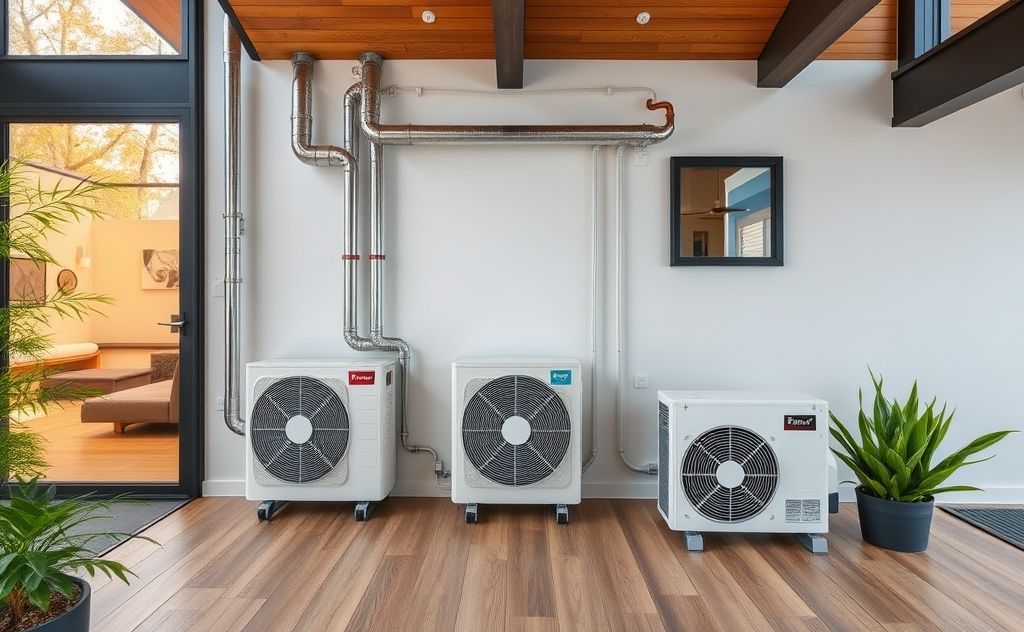
1. Heat Pumps (Best for Energy Efficiency)
Heat pumps transfer heat instead of generating it, making them 300% more efficient than traditional systems. They provide both heating and cooling, ideal for climates with mild winters. Two main types:
- Ductless mini-splits: No ductwork needed, perfect for room additions or homes without vents.
- Central heat pumps: Use existing ducts for whole-home coverage.
Downside: Performance drops below freezing, but newer models like cold-climate heat pumps solve this.
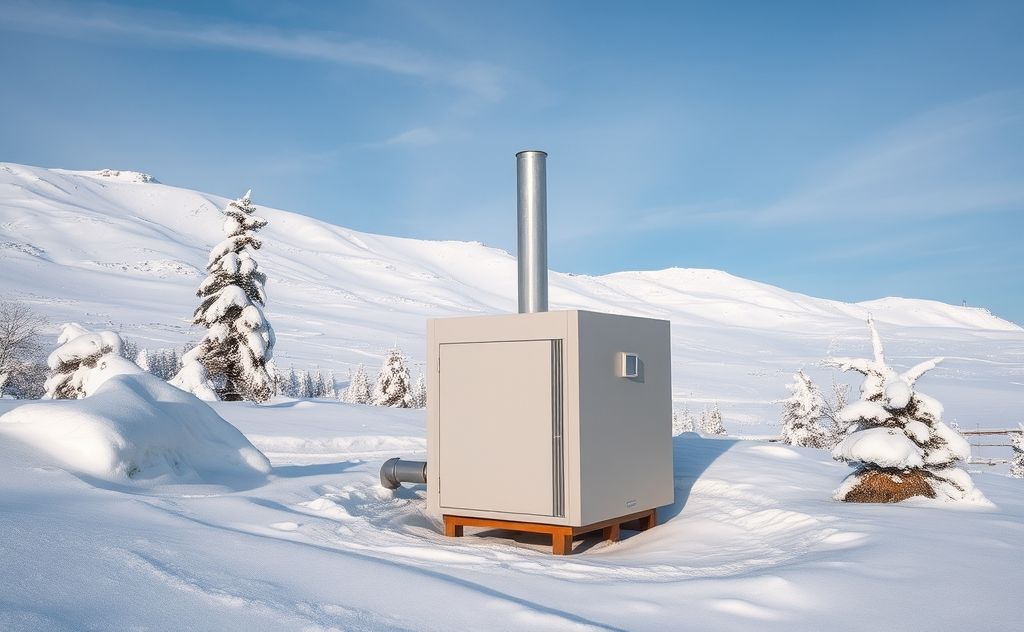
2. Furnaces (Best for Extreme Cold)
Gas or electric furnaces quickly heat air via ductwork. They outperform heat pumps in sub-zero temps but can’t cool. Key considerations:
- AFUE rating: Look for 90%+ efficiency (e.g., modulating gas furnaces).
- Duct sealing: Leaky ducts waste 30% of energy (fix guide here).
3. Ductless Mini-Splits (Best for Zoning)
These mini-splits have wall-mounted units connected to an outdoor compressor. Benefits include:
- No ductwork losses (save up to 25% energy).
- Individual room control via remote/app.
4. Radiant Floor Heating (Best for Comfort)
Hydronic or electric systems heat floors directly, eliminating drafts. Works well with heat pumps or boilers. See our hydronic vs. electric radiant guide.
5. Geothermal Systems (Best for Eco Homes)
Geothermal heat pump systems use the earth’s stable underground temperature for exceptional efficiency (400%+). While upfront costs are high ($15,000–$30,000), they offer the lowest operating costs and longest lifespan (20+ years). A 30% federal tax credit significantly offsets the initial investment. Geothermal is a premier year-round comfort solution, especially for new construction or those planning to stay long-term.
6. Hybrid Systems (Best for Flexibility)
Hybrid (Dual-Fuel) Systems pair an electric heat pump with a gas furnace for optimal flexibility and cost-effectiveness. The heat pump efficiently handles heating and cooling during moderate weather. When temperatures drop below its efficient range (typically 30–40°F), the system automatically switches to the furnace. This design maximizes energy efficiency without sacrificing performance in deep freezes, making it a top choice for mixed climates.
10. Air Quality and Humidity: The Hidden Comfort Factors
True year-round comfort isn’t just about temperature. Modern systems can integrate with whole-home humidifiers and dehumidifiers to maintain ideal relative humidity (30-50%). This prevents dry skin in winter and mold growth in summer. Ask your installer about systems with high-grade air filtration (MERV 13+) and UV lights to reduce allergens and pathogens. Smart thermostats often include sensors to monitor and control humidity levels automatically.
9. 10-Year Total Cost of Ownership
The upfront cost is only part of the equation. Use this breakdown to compare long-term value, factoring in typical electricity rate increases (~2%/year) and maintenance.
| System Type | Upfront Cost | Avg. Annual Operating Cost | 10-Year Maintenance Est. | 10-Year Total Cost |
|---|---|---|---|---|
| Standard Central AC + Gas Furnace | $6,000–$8,000 | $1,200 | $3,500 | $23,000 |
| Standard Ducted Heat Pump | $8,000–$12,000 | $900 | $3,000 | $21,000 |
| Cold-Climate Hybrid System | $10,000–$15,000 | $750 | $3,000 | $20,500 |
| Ductless Mini-Split (3-zone) | $10,000–$14,000 | $600 | $2,500 | $18,500 |
| Geothermal System | $18,000–$30,000 | $400 | $2,000 | $24,000 |
Note: These are illustrative estimates. Your actual costs depend on system size, local energy rates, climate severity, and usage patterns. Always get specific quotes.
8. Retrofitting Older Homes (1950s–1980s Construction)
Upgrading HVAC in an older home presents unique challenges, primarily the lack of existing ductwork and lower insulation standards. Ductless mini-splits are often the most practical and least invasive solution, requiring only a small hole for refrigerant lines. For a whole-home solution, installing new ductwork may be necessary, adding significant cost ($5,000–$15,000+). Prioritize air sealing and adding insulation first—a professional energy audit can pinpoint the most cost-effective upgrades before you choose a system.
7. Window AC + Space Heaters (Budget Option)
Only recommended for small spaces. Infrared heaters are safer than coils (safety tips here).
Comparison Table
| System | Avg. Cost | Efficiency | Best For |
|---|---|---|---|
| Heat Pump | $4,000–$8,000 | 300%+ | Moderate climates |
| Furnace | $2,500–$6,000 | 90–98% AFUE | Extreme cold |
| Ductless Mini-Split | $3,000–$10,000 | 25% savings | Older homes |
Always size your system correctly—oversizing causes short cycling, while undersizing strains components. A ACCA-certified pro will perform a Manual J load calculation to determine the exact heating/cooling capacity your home needs, considering insulation, window efficiency, and local climate.

I am a mechanical engineer and love doing research on different home and outdoor heating options. When I am not working, I love spending time with my family and friends. I also enjoy blogging about my findings and helping others to find the best heating options for their needs.
Related guides

Naturally warm and comfortable: Best heated thin gloves!
Stay warm and stylish this winter with the best heated thin gloves. Find the perfect pair to keep…
These Are the Best Blinds for Heat RetentionHighly Recommend!
Stay cozy year-round with the best blinds for heat retention. Find stylish options that cut energy costs and…
Warm Socks for Chronically Cold Feet: Expert Solutions
When it comes to warm socks for people suffering from chronically cold feet, many homeowners face a daily…
