The best heat tape for PVC pipes is a self-regulating, listed cable sized to the pipe run and installed exactly as directed. Choose by length, wattage, thermostat range and certification—not the lowest price. The supplied product catalog currently contains no pipe-heating cable, so its recommendations must be corrected before publication.
The essentials
Measure the pipe before buying; a cable that is too short leaves the coldest section unprotected.
Use only a cable listed for PVC or plastic pipe, with the required thermostat and certification.
Never overlap heat tape unless the manufacturer specifically permits it.
A GFCI-protected outlet and the cable’s installation instructions matter as much as its wattage.
If the cable, plug or pipe insulation is damaged, disconnect it and replace the damaged part before freezing weather.
Say your exposed pipe run is 18 feet long and the forecast is 10°F. An 18-foot cable may cover the pipe, but only if its wattage, thermostat and installation method match the cable listing and the pipe material.
The current product feed is mismatched: products 1 through 5 are guitar picks, mechanic tools, dental picks or food picks, not pipe-heating cables. Do not rank or link them as heat-tape recommendations; replace the feed with verified cable products before this page goes live.
Best Heat Tape for PVC Pipes
#1Repair Tool Only
Rindion Mechanic Pick Set
Best for Removing seals and O-rings during mechanical repair
The Rindion set contains alloy-steel picks in long and short sizes, with 45°, 90°, 135°, and 180° angles. Those features suit precision repair work, but the tools produce no heat and cannot protect a PVC pipe from freezing.
Best for Comparing guitar-pick gauges for strumming and lead work
The Fender sampler includes Thin, Medium, and Heavy celluloid picks in the 351 shape, so it helps guitarists compare flexibility and attack. Its gauges describe pick thickness, not heater output, and it has no connection to pipe protection.
Best for Trying several guitar-pick thicknesses with a storage case
Plornix supplies 30 celluloid guitar picks in thin, medium, and thick gauges, plus a metal storage box. That combination suits musicians who want several playing feels, not homeowners looking for a listed cable sized to a PVC pipe.
Best for Cleaning between tight teeth and removing trapped food
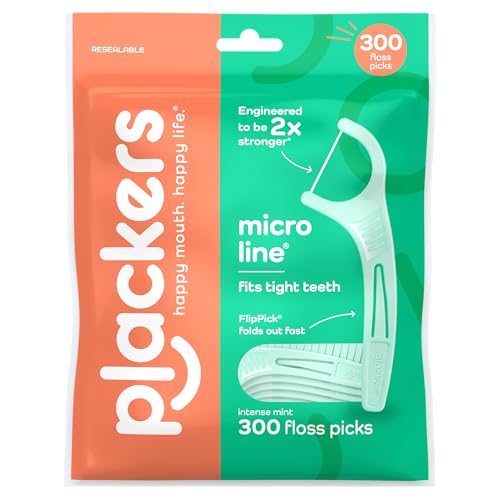
Plackers floss picks use Micro Line floss fiber and include a fold-out toothpick for oral care. The product is designed for teeth, so it provides no heat, insulation, thermostat, or pipe compatibility.
Count 300Floss fiber TufflossPTFE Made without PTFEFeature Fold-out toothpickFlavor Intense mint
Why it made the cut
Fits tight teeth
Fold-out toothpick
300-count package
Good to know
For oral care only
Cannot protect plumbing
Skip it if Skip it for pipe maintenance or freeze prevention.
Best for Serving appetizers, fruit, and snacks at gatherings
NadaKin’s bamboo cocktail picks are food-serving sticks with decorative gold balls, suited to appetizers and drinks. They don’t conduct controlled heat or include any electrical parts, so they have no place on a PVC pipe.
Pieces 200 pcsLength 4.7 InchMaterial Natural bambooDecoration Mini gold ballUse Appetizers and drinks
Why it made the cut
200-piece pack
Bamboo construction
4.7-inch length
Good to know
Designed for food service
No heating or insulation function
Skip it if Skip it for every pipe-heating application.
Measure the full exposed pipe run before choosing heat tape: follow every straight section, bend, valve and the part entering the wall or crawlspace. For PVC, the right size is the cable length that covers the vulnerable run using the manufacturer’s approved pattern—not simply the longest cable you can find.
To measure for heat tape on PVC pipe, use a tape measure along the pipe rather than measuring from end to end in a straight line. Include exposed outdoor pipe, crawlspace or garage sections, and under-sink pipe near an exterior wall. Mark the coldest section and check where the approved cable can reach a suitable nearby outlet.
Worked Example
Say the exposed PVC run is 18 feet from the indoor shutoff to the point where it enters the heated part of the house. A 12-foot cable leaves 6 feet without protection, and that uncovered section may be the first place to freeze. You need a cable and installation pattern that covers the full 18-foot run, unless the manufacturer specifically permits another arrangement.
Measured pipe18 feet
Cable considered12 feet
Unprotected section6 feet
Section to measure
What to include
Outdoor pipe
Every exposed straight run, bend and valve
Garage or crawlspace
The complete cold-space run to the warmer area
Under-sink pipe
Pipe beside exterior walls and the wall entry point
Outlet route
The distance to the approved nearby receptacle
Measure the route the cable must actually follow.
Before choosing a length
Measure the complete exposed run, not only the section that froze last winter.
Record bends, valves, fittings and the pipe section entering the wall or crawlspace.
Identify the coldest section and confirm the cable can reach the outlet without an unsafe shortcut.
Check that the replacement data lists cable length, watts per foot or total wattage, approved pipe materials and thermostat behavior.
How much heat tape do you need for a pipe? Usually, enough to cover every vulnerable exposed foot in the manufacturer’s approved layout. Extra cable can’t simply be bundled, overlapped or wrapped tightly to use up the surplus; concentrated heat can damage PVC or violate the listing. A shorter cable leaves cold pipe behind.
Insulation reduces heat loss after the cable is installed correctly, but it doesn’t make an incorrectly sized cable safe. The cable still must match the approved PVC material, length and installation pattern, and its thermostat must operate in the conditions around that pipe.
Don’t guess from pipe diameter alone
Pipe diameter may affect the approved spacing or cable choice, but it doesn’t tell you the needed length. Follow the cable manufacturer’s chart for that pipe size and material; if the run, outlet location or installation pattern doesn’t fit, stop before buying.
Compare Wattage, Thermostat and Certification
For PVC pipe, look for a self-regulating cable with a clearly stated wattage, watts-per-foot, thermostat range and UL, ETL or CSA listing where available. Self-regulating heat tape is often the sensible choice for PVC because it reduces heat output as the pipe warms, but the cable still has to be installed within its listing and manufacturer instructions.
W ÷ ft
The useful comparison
Total wattage tells you the cable’s overall electrical load; watts per foot shows how much heat is concentrated along the pipe.
Compare both numbers, not a vague promise such as freeze protection. A 20-foot cable rated at 5 watts per foot uses 100 watts; another 20-foot cable at 8 watts per foot uses 160 watts. The higher-output cable isn’t automatically safer or better for PVC. More heat can mean more electrical use and may be unsuitable if the product listing doesn’t allow that pipe material or installation.
Check
What the specification tells you
What it doesn’t prove
Total wattage
The cable’s electrical load when operating
That it heats faster or protects every pipe
Watts per foot
How output is distributed along the run
That higher output is safer for PVC
Thermostat start/stop range
When the cable turns on and off
That two similar-length cables run equally often
Safety listing
That the product was evaluated to a recognized standard
That installation can ignore the manual
Use published specifications, not freeze-protection slogans, to compare cables.
The thermostat’s start and stop temperatures explain why two cables of similar length may run at different times. One may start heating at a lower surrounding temperature or stop at a higher one, while a self-regulating cable also changes output as the pipe warms. Compare the stated temperatures and any differential or control method; don’t assume a longer run is the reason for every difference in runtime.
Myth
Self-regulating heat tape is automatically safer for every PVC pipe.
Fact
Self-regulating describes how the cable changes output with temperature; it doesn’t approve every use. The product must specifically allow PVC, the pipe arrangement must fit its listing, and installation must follow the instructions.
A recognized US safety mark is another basic filter. Look for UL, ETL or CSA on the cable, controller or packaging, as applicable, and verify that the marking belongs to the actual product you received. A seller’s sentence saying listed or certified is weaker evidence than a mark and identifying information you can check on the product.
Before comparing a cable
Pipe material and the exact exposed run are covered by the product instructions
Total wattage and watts per foot are stated
Thermostat start and stop temperatures are stated
A UL, ETL or CSA mark appears on the cable or packaging where applicable
Heating-speed, service-life and minimum-temperature claims are backed by product specifications
Catalog correction
The supplied catalog contains no pipe-heating cable with valid heat-tape specifications. Its Fender Premium Picks Sampler, Rindion 10PCS Pick Set Mechanic, Plornix 30 pack Celluloid Guitar Picks, Plackers Micro Line Floss Picks and cocktail picks cannot populate this comparison or serve as recommendations. The buying cards need replacement products with real cable length, output, thermostat and certification data.
Install Heat Tape Without Damaging PVC
Install heat tape on PVC only if the cable is approved for plastic pipe, and follow its instructions for placement, fastening and insulation. The pipe must be clean and dry first. Heat tape can touch PVC when its listing allows it; never assume a cable made for metal pipe is safe on plastic.
For most approved cables, lay the tape straight along the pipe. Don’t spiral it unless the manufacturer specifically permits that method, and don’t cross, overlap or pinch the cable unless the listing explicitly allows it. Those shortcuts can concentrate heat or damage the jacket.
1
Prepare the pipe
Disconnect power and clean the pipe, then let it dry completely. Check for leaks, sharp edges or damage before installing anything; fix those problems first.
2
Place the cable
Route it along the pipe exactly as the instructions show. Keep it clear of joints or fittings where the manual requires, and don’t bend it tighter than the manufacturer allows.
3
Secure it gently
Use only the supplied or approved tape, clips or fastening method. Metal clamps, staples, duct tape and improvised fasteners can cut or crush the cable jacket.
4
Add insulation as directed
Use only insulation the cable instructions permit, and don’t bury or cover the plug, thermostat or electrical connection. Keep those parts accessible and dry.
5
Connect and check
Use the required GFCI protection and a grounded outlet. Never use an extension cord or power strip for a permanent installation unless the manufacturer explicitly permits it. Follow the cable’s test and startup directions before leaving it in service.
Before You Restore Power
Cable is approved for PVC or plastic pipe.
Pipe is clean, dry and free of damage.
Cable is laid and secured by the manufacturer’s method, with no prohibited crossings or overlaps.
Insulation leaves the plug, thermostat and electrical connection accessible and dry.
Required GFCI protection and a grounded outlet are in place.
Stop If the Cable Is Damaged
Inspect the cable at the start of each heating season. If the jacket is cracked, scorched or loose, disconnect it and don’t use it; replace it rather than patching it. A missing grounded outlet, new wiring or any work inside the service panel calls for a licensed electrician.
When to Call a Plumber
If the pipe leaks, needs repair or is difficult to reach without stressing the cable, have a plumber handle the pipe work. Heat tape won’t fix a plumbing defect, and a wet electrical connection is a dangerous combination.
Calculate Winter Electricity Cost Before You Buy
Heat tape’s electricity use depends on its listed wattage and how long it runs; a 5-watt-per-foot cable covering 18 feet draws 90 watts. At 24 hours a day and $0.17 per kWh, continuous operation costs about $0.37 per day, so it isn’t automatically expensive to run on a short PVC pipe.
Use this formula: watts ÷ 1,000 × hours × your electric rate per kWh. Check the cable’s listed wattage—not pipe length alone—because watts per foot and the cable’s total length determine its draw.
Example: 18 Feet of Heat Tape
Assume the cable draws 5 watts per foot, runs continuously for 24 hours and electricity costs $0.17 per kWh. That works out to about $0.37 for the day. Treat it as an upper-bound estimate for continuous operation; a thermostat or self-regulating cable may reduce actual runtime.
Cable load5 W/ft × 18 ft = 90 W
Daily energy90 W ÷ 1,000 × 24 hours = 2.16 kWh
Daily cost2.16 kWh × $0.17 = about $0.37
A thermostat switches cable power as temperatures change, while self-regulating cable adjusts its output along its length. Either can make actual use lower than the continuous-run example, but don’t assume a fixed percentage reduction: weather, pipe exposure, insulation and the specific cable all matter.
Insulation slows heat loss, which can help the cable maintain pipe temperature, but it doesn’t erase the electricity cost. Keep controls, plugs and any areas the instructions require clear uncovered; follow the cable maker’s directions for insulation over the rest of the run.
Compare the power bill for one vulnerable pipe run with the potential damage and cleanup from a burst pipe. Repair costs vary widely, so there’s no honest universal dollar figure; the point is that a modest operating cost may protect a pipe where freezing would cause much greater disruption.
In short
Estimate cost from the cable’s listed watts and your electricity rate, then treat continuous operation as the high-side estimate if the cable cycles or reduces output. Insulate only as the instructions allow, and weigh the cost against the risk to the pipe.
Choose Your Next Step Before the Freeze
Buy a self-regulating heat cable specifically approved for PVC, with its length, wattage, thermostat information and safety listing clearly stated. To protect exposed PVC pipes, fit the approved cable and insulation as its manual directs; a plumber isn’t always needed, but unsafe wiring calls for a licensed electrician, and damaged or inaccessible plumbing calls for a plumber.
1
Identify the pipe and run
Record the pipe material and diameter, where it runs, and the full exposed length, including bends and valves. Note which sections are most exposed to cold.
2
Check the power route
Photograph the outlet and measure the distance from it to the pipe. Confirm the outlet has GFCI protection, and plan for the cable to reach without an extension cord.
3
Reject incomplete listings
Skip any cable that doesn’t clearly approve PVC, state its length and wattage, explain its thermostat operation, and carry a recognized safety listing such as UL, ETL or CSA.
4
Install before freezing weather
Follow the cable manual for placement, fastening and insulation. Don’t cover connections or improvise with tape or insulation the manufacturer doesn’t allow.
5
Test and recheck
Test the setup as instructed. Inspect it after the first hard freeze and after any plumbing repair; damage or a changed pipe layout can make the original installation unsafe.
Before You Buy
PVC approval and cable length match your pipe and measured run
Outlet distance works without an extension cord; GFCI protection is confirmed
Wattage, thermostat information and safety listing are clear
Manual instructions cover installation and testing
A homeowner can usually install heat tape when the product is approved for the pipe and the outlet and wiring are safe. Stop if you see damaged wiring, a loose or hot outlet, or signs of an unsafe circuit, and call a licensed electrician. A plumber should handle damaged or inaccessible plumbing and any installation that requires pipe work you can’t safely reach.
Your next move
Match a listed PVC-approved cable to the measured run, then install and test it by the manual before freezing weather arrives. If the wiring looks unsafe or the pipe is damaged or inaccessible, get the right licensed trade involved.
More Questions, Answered
What is heat tape for PVC pipes?
Heat tape is an electric heating cable that warms an exposed pipe when temperatures approach freezing. A self-regulating model adjusts its output along the pipe, but it still needs a thermostat or control method and approval for PVC use.
Can heat tape be used on PEX or other plastic pipes?
Only if the cable’s instructions specifically approve that pipe material. PEX, CPVC and other plastics can have different temperature limits, so a cable suitable for metal pipe may damage plastic or void its listing.
Does heat tape keep a pipe from freezing in a power outage?
No. Heat tape needs electricity, so it cannot protect the pipe during an outage. Insulation can slow freezing, while a generator or another safe backup power source may keep the cable operating if the manufacturer permits that setup.
How long can heat tape stay plugged in?
A listed cable designed for continuous operation can stay plugged in through the cold season when installed as directed. Check the manual for its duty rating, thermostat use and inspection schedule, and unplug it if the cable, plug or outlet becomes hot, cracked or damaged.
Can heat tape be installed inside a wall or underground?
Only products specifically listed and approved for concealed or underground installation belong in those locations. Ordinary pipe heat tape is generally intended for accessible pipe, where you can inspect it; follow local electrical rules and the cable’s installation instructions.
How often should heat tape be replaced?
Replace heat tape when the manufacturer specifies a service interval or whenever the cable shows cracking, scorching, melted insulation, damaged plugs or unreliable heating. Test and inspect it before freezing weather each year rather than waiting for a frozen pipe to reveal a failure.