The most common cause of an electric fireplace not working is a power supply issue, so start by checking that the unit is plugged in and the circuit breaker hasn’t tripped. If power is fine, inspect the heating element and flame effect settings next.
Electric fireplaces combine heating and decorative flame effects but can stop working for several reasons. Many problems are simple fixes you can do in minutes without special tools.
This guide walks you through the 7 most common causes and how to confirm and fix each one safely, so you can get your fireplace back to warming and glowing your space.
The essentials
Start troubleshooting by checking the power supply and circuit breaker before anything else.
A faulty heating element is a common cause of no heat, even if the flame effect works.
Overheating protection can shut the unit off; clear vents and let it cool before restarting.
Resetting the fireplace by unplugging can fix many minor electrical glitches.
Call a licensed technician if you see burning smells, sparks, or repeated breaker trips.
Why Is My Electric Fireplace Not Working? Start With Power and Plug
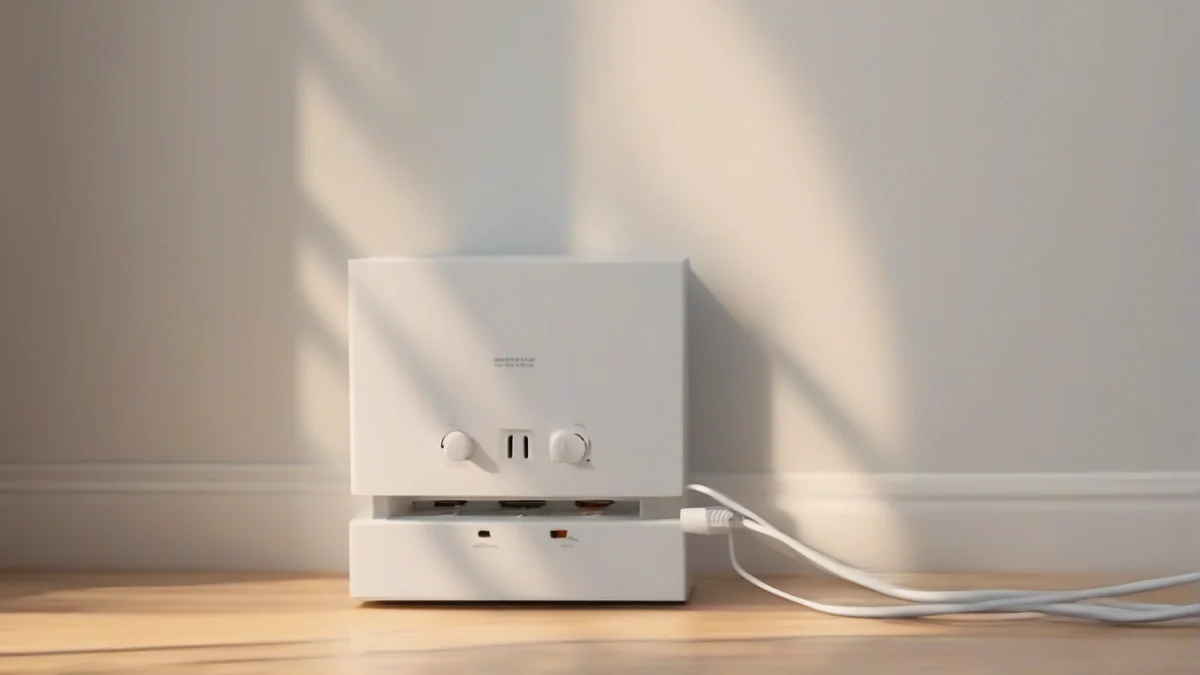
Start by checking that your electric fireplace is plugged in and the outlet is live. A tripped circuit breaker or blown fuse can cause the fireplace to power on without producing heat. Confirm the breaker in your home’s electrical panel hasn’t tripped and reset it if needed. Plug the fireplace directly into a wall outlet, avoiding extension cords or power strips which can cause voltage drop or overheating.
Ensure the fireplace is properly plugged in.
1
Secure the plug
Turn the fireplace off, then push the power cord firmly into the wall outlet and the fireplace if it has a detachable cord. Electric fireplace plug problems include a loose connection that looks normal but won’t carry power reliably. Don’t use an extension cord or power strip; plug the unit straight into the wall.
2
Test the outlet
Plug a lamp or another small device into the same outlet. If that device also stays dead, check the outlet’s reset button if it has one, then move to the breaker panel. Don’t keep resetting an outlet that trips again.
3
Check the breaker
Find the breaker serving that room and look for one sitting between ON and OFF. Move it fully to OFF, then back to ON once. A breaker that trips again points to an electrical fault or an overloaded circuit; leave the fireplace unplugged and arrange professional service instead of repeatedly forcing it on.
4
Inspect the cord
With the fireplace unplugged, check the entire cord and plug for cuts, crushed insulation, loose prongs, melted plastic or burn marks. Stop using the unit if you find damage. A warm or discolored plug deserves the same treatment.
Stop Before Opening The Cabinet
Unplug the fireplace before any inspection beyond the cord and controls. Never bypass a fuse, remove a grounding prong or operate a damaged unit; internal electrical repairs belong to a qualified technician.
Reset The Unit
Unplugging your electric fireplace for a minute or two can reset its internal electronics. This simple step can clear minor faults or error codes and restore normal operation. After unplugging, plug it back in and turn it on to see if heat and flame effects return.
Parts and Tools to Fix Your Fireplace
If a switch, heater or flame effect has failed beyond a simple reset, replacing the fireplace may make more sense than sourcing internal parts.
Independent Controls
Duraflame Electric Fireplace Stove, Black
Product 1 has independent flame and heat controls, so you can run the flame effect without the heater when the room doesn’t need warmth. Its adjustable thermostat and flame dial also give you two controls to check when the unit seems unresponsive.
Product 2 lets the flame effect run with or without heat, which suits a fireplace whose heat setting has become unreliable but whose visual effect still matters. Infrared quartz heat adds warmth instantly, while the glowing logs and ember bed restore the part you see when the flame display fails.
Check the Heating Element and Fan for No Heat Issues
If your fireplace powers on but doesn’t blow warm air, the heating element may be defective or burned out. The heating element converts electrical energy into heat, and a failure here stops heat production even if the fan runs. Testing or replacing the heating element usually requires opening the unit and should be done with the power off and by someone experienced with electrical components.
If your electric fireplace powers on but doesn’t emit heat, the heating element or its wiring may be faulty. Check for v
1
Select heat only
Turn off the flame effect if your controls allow it, set the thermostat above the room temperature and choose the heat setting. After the fan starts, hold your hand near the air outlet without blocking it. Airflow with room-temperature air points toward the heating element, its control, a fuse or thermostat; no airflow points toward the fan, blockage or a safety shutdown.
2
Listen And Look
A fan that hums, rattles or starts and stops can have dust in its vents or a failing motor. A sharp electrical smell, visible scorching or repeated shutdown means switch the fireplace off and unplug it. Don’t keep testing a component that shows heat damage.
3
Clean The Vents
Unplug the fireplace and let it cool completely. Wipe the intake and outlet grilles with a soft, slightly damp cloth, then dry them before reconnecting power; remove lint and dust without pushing debris into the cabinet. Keep furniture, curtains and other obstructions away from the air path so the heater doesn’t overheat.
4
Replace The Element Only If The Manual Allows It
Disconnect power and follow the exact model manual for the replacement part and access panel. Photograph wire positions before removing anything, use the specified element, and reinstall every shield, connector and screw. Don’t probe the element while powered or guess at wiring; have a qualified technician test or replace it if the part isn’t an owner-service item.
A fan running without heat doesn’t prove the element alone failed. Some fireplaces have a separate fuse, thermostat or safety switch in the heating circuit, so model-specific instructions matter; a general explanation of the heating element can help you understand the component before service.
Inspect and Reset Thermostat and Controls
Thermostats can fail or get stuck, causing the heater to shut off prematurely or not turn on at all. Inspect the thermostat setting and reset it if possible. If the fireplace has digital controls, try unplugging it for a minute to reset the system.
1
Check the heat setting
Use the fireplace’s control panel and remote, if supplied, to confirm heat is enabled. Some models have separate switches for the flame effect and heater, so visible flames don’t prove the heating circuit is on.
2
Check the controls
Look for a thermostat, heat-level button, timer, or sleep setting that may be preventing operation. Adjust flame brightness and heat independently if your model provides those controls; a bright flame can run with the heater off.
3
Reset the fireplace
Turn the unit off, unplug it, and hold the fireplace power button for several seconds while it remains unplugged. Release the button, wait briefly, plug the unit directly into the wall, and select heat again. The reset clears some control glitches, but it won’t repair a failed thermostat or electrical component.
Unplug Before Opening
Disconnect power before removing a cover or inspecting internal controls. Don’t bypass a thermostat, fuse, tip-over switch, or other safety device; if the control still ignores a heat setting after the reset, stop there and arrange electrical service.
A wall control or remote can also be the problem, especially when the fireplace responds to its buttons but not the remote. Replace the remote batteries if applicable, then use the built-in controls to separate a control problem from a heating fault. For thermostat-specific troubleshooting, see how to reset a smart thermostat.
Fix the Flame Effect When Heat Works But Flames Don’t
The flame effect uses LEDs or bulbs separate from the heating element. If you get heat but no flames, the bulbs may have burned out or the LED system may have an electrical fault. Check for loose wiring or replace burnt-out bulbs according to the manual.
Check the bulbs if flames are not visible.
1
Check flame settings
Confirm the flame effect is enabled on both the control panel and remote, if your model has both. Turn brightness up from its lowest setting and cancel any sleep, timer, or display mode that may suppress the visual effect.
2
Reset the display
Turn the fireplace off, unplug it, and hold the power button for several seconds before reconnecting power. A reset can clear a flame-display error, but model-specific error codes and button sequences belong in the owner’s manual.
3
Clean the visual components
Unplug the fireplace and wipe the visible screen, vents, and accessible flame-effect area with a soft cloth. Keep water out of the cabinet. Dust on the reflective or illuminated parts can make the flame look dim, uneven, or absent.
4
Check the light source
If the flame remains dark after the settings and reset checks, the bulb or LED module may have failed. Replace it only when the manual identifies it as user-serviceable and specifies the correct part; otherwise, have a technician inspect the display wiring and module.
Stop If You Smell Burning
Unplug the fireplace if you smell hot plastic, see charring, hear repeated electrical arcing, or notice a damaged cord. Don’t operate the heater just because the flame display has failed.
Prevent and Fix Overheating Shuts Off and Safety Triggers
Electric fireplaces have safety features that shut the unit off if it overheats. Dust buildup on the fan or heating element can block airflow, causing overheating. Clean vents and fans regularly, and ensure the fireplace has enough clearance for air circulation.
1
Clear the airflow
Check the air intake and exhaust for dust, pet hair, curtains, rugs or furniture. Keep the fireplace at least 3 feet from furniture and other combustibles, and don’t press a freestanding unit against a wall.
2
Clean the vents
With the fireplace unplugged and cool, vacuum the intake and exhaust openings using a soft brush attachment. Wipe the cabinet with a soft, slightly damp cloth; keep water away from the controls and electrical parts.
3
Restart once
After 30 minutes, restore power and run the heater while watching the airflow. Weak airflow, a hot-plastic smell, or another shutdown points to a fan, thermostat, heating element or internal electrical fault.
Stop if it repeats
Don’t bypass the thermal switch or keep resetting a fireplace that shuts off repeatedly. Unplug it and arrange service, especially if the plug, outlet or cabinet feels unusually hot.
Seasonal check
Clean the intake and exhaust before the heating season and check them again during dusty or high-shedding periods. Blocked airflow makes the fan work harder and can bring the shutdown back.
When to Call a Licensed Technician or Replace Your Fireplace
If troubleshooting steps don’t restore heat or flame effects, it’s time to call a licensed technician. Electrical components inside the fireplace can pose shock hazards if you open the unit without proper training. Replacement may be more cost-effective than repair for older models.
Repeated circuit breaker trips need an electrician’s inspection, because the fault may involve the fireplace, outlet or house wiring. A blown fuse can cause a fireplace to power on without heat, but electric fireplace fuse replacement belongs to a technician unless the manual gives a clearly accessible, user-serviceable fuse procedure.
An annual inspection and cleaning helps catch loose connections, blocked airflow and worn controls before winter. Keep the model number and manual available so the technician can check model-specific parts and error indicators.
Repair the thermostat or heating element when the part and labor are reasonable for the fireplace’s age. Replace the unit when a major control board, fan or heating assembly costs close to a new listed fireplace, or when heat damage has reached the plug, wiring or cabinet.
Call before restarting
Burning smell or visible sparks
Breaker trips more than once
Melted plug, scorched outlet or damaged cord
Repeated shutdown after cleaning and cooling
More Questions, Answered
Why does my electric fireplace turn on but not produce heat?
The display or flame effect can work while the heating element, fan, thermostat setting, fuse, or heating circuit has a fault. Confirm heat mode and raise the target temperature above the room temperature, then check for airflow from the outlet. If the fan runs with no temperature change, stop using the heater and have the heating mechanism tested rather than opening the cabinet while it is plugged in.
How do I reset my electric fireplace safely?
Turn the fireplace off, unplug it from the wall outlet, and let the unit cool before reconnecting it. Wait the period specified in the manual if your model gives one, then plug it directly into the outlet and select heat mode again. A reset can clear a control fault, but it won’t repair a damaged cord, burned connection, or failed heating element.
Can a tripped circuit breaker cause the flame effect to work but no heat?
Yes, a tripped breaker or blown fuse can interrupt the heating circuit while the LED flame display still operates. Turn off other appliances on that circuit, reset the breaker once, and watch for another trip. A breaker that trips again points to an electrical fault; leave the fireplace unplugged and call a qualified technician instead of repeatedly resetting it.
What maintenance prevents electric fireplace overheating?
Keep the air intake and warm-air outlet clear, remove dust with a soft cloth when the unit is unplugged and cool, and keep furniture, curtains, and other combustibles away from the openings. Check for a weak or noisy fan and make sure the fireplace isn’t installed where the intake is blocked. Never bypass the overheat switch, tip-over protection, fuse, or another safety control.
When should I replace the heating element or thermostat?
Replace a heating element or thermostat only after the power supply, controls, airflow, fuse, and wiring have been checked for your model. A heating element that has visible damage or a confirmed failed electrical test usually needs replacement; a thermostat is suspect when it ignores temperature changes after correct settings and a reset. Internal testing and part replacement belong to a qualified appliance technician unless the manual specifically provides a user-serviceable procedure.