

Propane heaters can be safe indoors if properly vented and used according to manufacturer guidelines, but ensure adequate ventilation to prevent carbon monoxide buildup.
Propane heaters can provide efficient, cost-effective warmth for indoor spaces when used correctly. However, improper use can lead to dangerous carbon monoxide buildup or fire hazards. This guide covers everything you need to know about safe indoor propane heater operation.
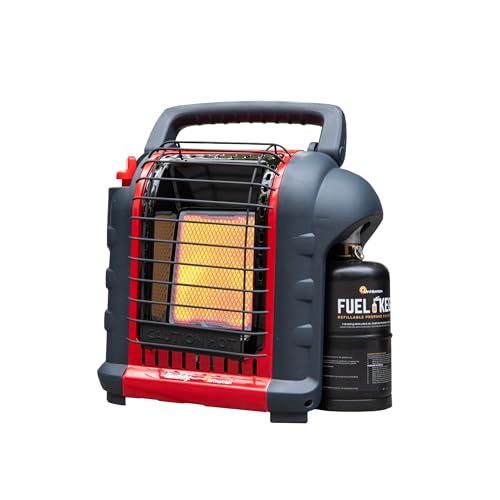
Mr. Heater
Mr. Heater 9,000 BTU Portable Buddy Radiant…
- Emits 4,000 or 9,000 BTU/hr radiant heat
- Designed and approved for indoor and outdoor use
- Heats up to approximately 225 square feet
Types of Indoor Propane Heaters
Not all propane heaters are designed for indoor use. These are the safest options:
Vented Propane Heaters
These units vent combustion gases outside through a flue or chimney. They’re the safest choice for permanent indoor installation.
Portable Indoor-Rated Units
Look for models specifically labeled for indoor use with these safety features:
- Oxygen depletion sensor (ODS)
- Tip-over automatic shutoff
- Overheat protection
- UL certification
Critical Safety Requirements
Ventilation is Essential
Even indoor-rated propane heaters require adequate ventilation. The Consumer Product Safety Commission recommends:
- Keep at least one window partially open
- Maintain 1 square inch of ventilation per 1,000 BTUs
- Never use in tightly sealed rooms
Carbon Monoxide Protection
Install CO detectors on every level of your home. Consider a quality air purifier with carbon monoxide detection.
Proper Placement
| Distance From | Minimum Clearance |
|---|---|
| Walls/Furniture | 3 feet |
| Ceiling | 5 feet |
| Flammable Materials | 5 feet |
Maintenance and Operation
Pre-Use Checklist
- Inspect for gas leaks (use soapy water on connections)
- Check flame color (should be blue with yellow tips)
- Verify safety features work
- Clear all combustibles from area
During Use
- Never leave unattended
- Turn off when sleeping
- Keep children and pets away
- Don’t use for drying clothes
When to Choose Alternatives
For long-term heating needs, consider safer options like electric fireplace heaters or upgrading your home’s HVAC system.
Warning Signs to Stop Use
- Yellow or orange flames (should be blue)
- Soot buildup on heater
- Headaches or nausea in occupants
- Excessive moisture on windows
By following these guidelines and manufacturer instructions, propane heaters can be used safely indoors for supplemental heating. Always prioritize proper ventilation and carbon monoxide monitoring.
Related pick: Check today's price on Amazon

I am a mechanical engineer and love doing research on different home and outdoor heating options. When I am not working, I love spending time with my family and friends. I also enjoy blogging about my findings and helping others to find the best heating options for their needs.
Related guides

Gas Space Heaters for Large Areas: Powerful Heating Solutions
Gas space heaters efficiently heat large areas by using natural gas or propane, providing quick warmth and flexibility…
Top Picks That Will Transform Your Space: Best Freestanding Gas Fireplace Heater
Over 60% of homeowners choose the best freestanding gas fireplace heater for efficient heating. That’s why the ProCom…
Explore These 5 Vented Gas Heaters That Will Transform Your Space
Stay warm and cozy with the best vented gas heaters, perfect for cold spaces and efficient heating solutions.…