

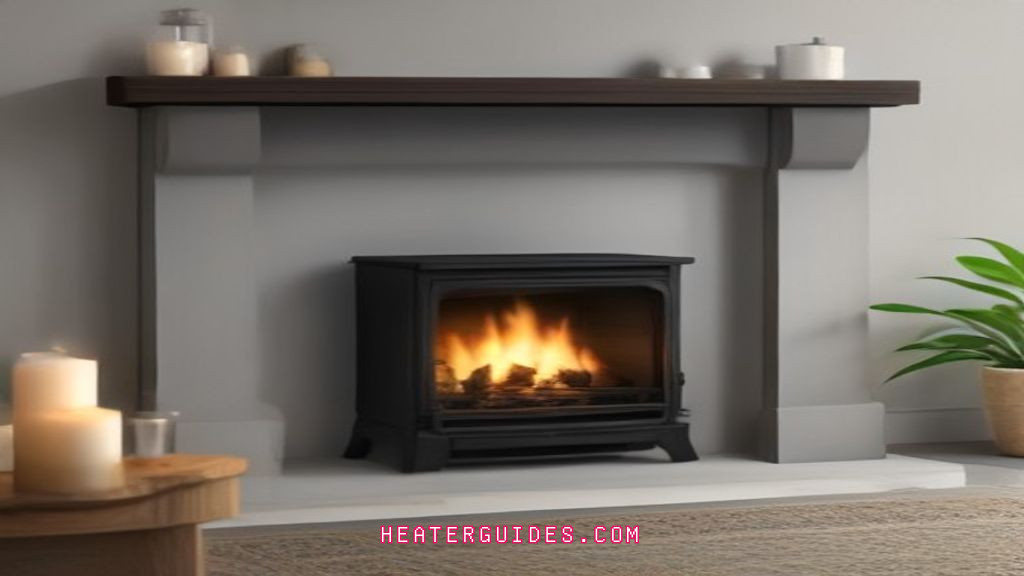
Yes, You Can Convert—Here’s What It Really Takes
You’re staring at a gas fireplace that hasn’t been lit in two years. The pilot light costs money to keep running, the logs look dated, and you’re tired of the annual service call. You’ve wondered if you could just swap it for an electric insert. The short answer is yes, but the process involves more than pulling out the gas logs and sliding in a heater.
This guide walks you through the entire conversion—from capping the gas line safely to choosing an insert that fits your firebox and your electrical panel. You’ll learn the real costs, the permits you might need, and what you lose (and gain) when you ditch gas for electric. By the end, you’ll know exactly what to ask a contractor and what you can do yourself.
Why Homeowners Make the Switch (and Why Some Regret It)
People convert for three main reasons: efficiency, maintenance, and convenience. Electric inserts convert nearly all their energy into heat—most units run at 98%+ efficiency, while a vented gas fireplace loses a big chunk of heat up the flue. You also eliminate the annual chimney inspection and the risk of gas leaks. And with a remote control, you can turn the fireplace on from the couch without getting up.
But there are trade-offs. Electric heat output tops out around 5,000–5,500 BTU, which warms a single room but won’t heat a whole house like a gas unit rated at 30,000 BTU. The flame effect looks good, but it’s not the same as a real flame—some people miss the sound and the smell. And if the power goes out, your fireplace is dead. Gas works during a blackout.
Resale value is another consideration. Some buyers specifically want gas. A 2026 survey by the National Association of Home Builders found that 55% of buyers prefer gas fireplaces over electric, so you might lose a selling point. That said, a clean, efficient electric insert can still appeal to buyers who want low maintenance and no gas bill.
The True Cost Breakdown: Gas Line Capping, Insert, and Installation
Let’s get real about money. The total cost to convert ranges from $1,200 to $3,500, depending on your setup and whether you hire pros. Here’s the breakdown:
- Capping the gas line: $150–$350 if you hire a plumber. This includes the service call, the cap, and testing. If you do it yourself, parts cost under $20, but you’re taking on the risk.
- Electric insert: $500–$1,500 for a quality unit. Cheap ones start around $300, but they often have weak heaters and cheap flame effects. You get what you pay for.
- Electrical work: $200–$600 if you need a new dedicated circuit. Most inserts draw 12–15 amps, so they need their own 15-amp or 20-amp circuit. If you’re plugging into an existing outlet, you might get away with $0, but check the load.
- Installation labor: $200–$500 if you hire an electrician or handyman. If you can handle the electrical yourself, you save that cost.
Compare that to staying with gas. A new gas insert costs $1,500–$3,000 plus installation, and you still pay for gas and annual maintenance. Over 10 years, electric usually comes out ahead on operating costs—electricity is often cheaper per BTU than natural gas, and you skip the $150 annual service visit.
| Factor | Gas Fireplace | Electric Insert |
|---|---|---|
| Upfront cost | $1,500–$3,000 | $1,200–$3,500 |
| Heat output | 20,000–40,000 BTU | 4,000–5,500 BTU |
| Efficiency | 60–80% (vented) | 98%+ |
| Annual maintenance | $100–$200 | Almost none |
| Works during power outage | Yes | No |
| Flame realism | Real flame | LED simulation |
| Installation complexity | Requires venting, gas line | Requires electrical outlet |
If you’re converting primarily to save money, run the numbers for your local electric and gas rates. In cold climates, the lower BTU output of electric might leave you cold—literally. That’s the biggest reason people regret the switch.
Safety First: How to Cap and Abandon Your Gas Line Properly
The most critical step is making sure the gas line is safely sealed. You don’t want a live gas pipe hidden behind your new insert. There are two ways to handle it: cap the line at the fireplace, or remove the entire line back to the main shut-off valve.
Capping at the fireplace is simpler and cheaper. You’ll need to shut off the gas at the main valve, disconnect the flex line from the gas log set, and install a threaded cap on the stub-out. Use pipe joint compound on the threads, tighten with a wrench, then turn the gas back on and test with soapy water—bubbles mean a leak.
Removing the line entirely is more thorough but costs more. A plumber will cut the pipe at the nearest accessible point, cap it there, and patch the wall or floor. This is worth doing if you never plan to use gas again, because it eliminates the risk of a future leak and makes the space cleaner.
When to Call a Licensed Plumber vs. DIY
If you’re comfortable with basic tools and know where your main gas shut-off valve is, you can cap the line yourself. But I’ll be honest: a licensed plumber is worth the $150–$350. They have the training to test for leaks properly, and they’ll pull a permit if your local code requires it. Some municipalities require a permit for any gas work, and failing to get one can cause issues when you sell your home.
If you do it yourself, follow these steps:
- Turn off the gas at the main shut-off valve. Usually it’s a lever that you rotate 90 degrees.
- Open a window and wait 10 minutes for any residual gas to dissipate.
- Disconnect the flex line from the gas log set using two wrenches—one to hold the fitting, one to turn.
- Cap the open pipe with a 1/2-inch or 3/4-inch threaded cap, depending on your line size.
- Apply pipe joint compound to the threads and tighten snugly.
- Turn the gas back on and brush soapy water over the cap. If you see bubbles, tighten gently and re-test.
- Call your gas company to check for leaks if you’re unsure—most will do it for free.
Never skip the leak test. A gas leak in a wall can cause an explosion or carbon monoxide poisoning. If you have any doubt, hire a pro.
Choosing the Right Electric Insert for Your Existing Firebox
Not every electric insert fits every gas fireplace. You need to match the insert to your firebox dimensions, and you need to consider depth, which is the most common mistake. Gas fireboxes are often shallower than wood-burning ones, so a standard electric insert might stick out or not fit at all.
Measuring Your Opening and Matching Depth
Measure the height, width, and depth of your firebox opening. Most electric inserts are designed to fit openings between 24 and 40 inches wide, 20 to 30 inches tall, and 12 to 20 inches deep. If your firebox is shallower than 12 inches, you’ll need a slim-profile insert—some go as shallow as 6 inches.
Write down your measurements and compare them to the insert’s specs. Pay attention to the depth at the bottom and top, because fireboxes often taper. A unit that fits at the front might hit a shelf at the back. If you’re between sizes, go smaller—you can always frame out the gap, but you can’t make a too-big insert fit.
Also check the trim or surround. Some inserts come with a wide trim that covers a larger opening, which helps if your firebox is a bit bigger than the insert. But if the trim is too narrow, you’ll need to add a surround panel, which adds cost.
Heat Output and Electrical Circuit Requirements
Electric inserts have two components: the flame effect (which uses very little power, usually 30–50 watts) and the heater (which draws 1,200–1,500 watts). The heater is what matters for your electrical circuit. A 1,500-watt heater draws 12.5 amps at 120 volts, so it needs a 15-amp circuit. If you have other appliances on that circuit, you risk tripping the breaker.
Most manufacturers recommend a dedicated 15-amp or 20-amp circuit for the insert. If you’re plugging into an existing outlet, check what else is on that circuit. A typical living room circuit might have lights and a TV, which adds 2–3 amps. That’s usually fine, but if you run a space heater simultaneously, you’ll trip the breaker.
If you need a new circuit, hire an electrician. The cost is $200–$600, depending on how far they have to run wire. Don’t use an extension cord—that’s a fire hazard. And if you’re replacing a gas fireplace that had a vent, you can often use that space to run the new electrical cable, which saves time and drywall repair.
Step-by-Step Conversion Process (From Gas Logs to Electric Insert)
Once you’ve capped the gas line and have the electrical ready, the conversion itself is straightforward. Here’s the sequence:
- Disconnect the gas log set. Remove the logs, the burner, and the flex line. You might need to unscrew brackets that hold the burner in place.
- Remove the gas valve and any control panel. These are usually attached to the firebox with small screws. Keep them in a box in case you ever want to revert to gas.
- Clean the firebox. Vacuum out dust and debris. This is a good time to inspect for any rust or damage.
- Install the electric insert. Slide it into the firebox, making sure it sits level. Most inserts have adjustable feet or shims to help with leveling.
- Secure the insert. Some models have mounting brackets that screw into the firebox walls. Others just rest on the floor. Follow the manufacturer’s instructions.
- Connect the power. Plug the insert into the outlet, or have an electrician hardwire it to the dedicated circuit.
- Test the flame and heater. Turn on the flame effect to make sure it’s visible and the remote works. Then test the heater on high for 10 minutes.
- Add trim and finish. If the insert has a trim kit, attach it to cover gaps. Caulk around the edges for a clean look.
One tip: take photos of the gas setup before you disconnect anything. That way, if you ever sell the house and the buyer wants gas, you have a reference for reinstallation.
You also need to decide what to do with the gas logs and the valve. You can sell them online or keep them for parts. The gas line cap stays in place—don’t remove it unless you’re converting back.
What You Lose and Gain: Heat, Ambiance, and Home Value
Let’s be honest about the trade-offs. On the gain side, you get a fireplace that’s safe to run while you sleep, requires zero maintenance, and doesn’t have a standing pilot light wasting gas. The flame effect on modern inserts is surprisingly convincing—many use LED strips and a water vapor or mirror system to create a 3D flame. You also get a remote, sometimes with a thermostat, and you can change the flame color and brightness.
The heat output is the biggest loss. A gas fireplace can blast 30,000 BTU, enough to warm a large living room. An electric insert tops out around 5,000 BTU, which is roughly the same as a small space heater. It’ll take the chill off a 12×12-foot room, but it won’t heat a 400-square-foot open floor plan in a Minnesota winter.
On home value, the impact varies. In warm climates, electric is often preferred because it’s just for ambiance. In cold climates, buyers expect gas. A 2026 Zillow analysis showed that homes with gas fireplaces sold for 1.2% more on average, but that’s an average—your local market may differ. If you’re converting for your own comfort, that’s fine, but don’t expect it to add resale value.
There’s also the maintenance angle. Gas fireplaces need an annual inspection and cleaning, especially if they have a vent. Electric inserts need almost nothing—just wipe the glass and replace the LED bulbs every few years. That’s a real savings of $100–$200 per year.
Frequently Asked Questions About Gas-to-Electric Conversions
Do I need to remove the gas line completely?
No. You can cap it at the fireplace and leave the rest of the pipe in the wall. This is what most homeowners do because it’s cheaper and doesn’t require opening walls. Just make sure the cap is tight and leak-tested. If you’re doing a full renovation, removing the line is a clean option, but it’s not required.
Can I keep the gas logs and just add an electric insert in front?
You could, but it’s a bad idea. The gas logs take up space that the insert needs for proper airflow and heat dissipation. Also, running an electric heater in front of a live gas line is a safety hazard. Remove the gas logs and cap the line first.
Will my existing fireplace venting cause a draft?
It can. If you have a vented gas fireplace, the chimney or vent pipe is still open to the outside. Cold air can come down and make your electric insert less efficient. You have two options: seal the vent from the inside with a damper or block-off plate, or install a plug in the chimney cap. Some electric inserts come with a cover that seals the vent opening. Check your local code—some require the vent to remain open for combustion appliances, but since you’re removing the gas, you can seal it.
What if my firebox is too shallow for a standard insert?
Look for a slim-profile insert designed for shallow fireboxes. Many brands offer models that are 6–8 inches deep. If you can’t find one that fits, you can frame out the firebox with drywall or plywood to reduce the depth, but that’s a bigger project. Another option is a wall-mounted electric fireplace that sits in front of the opening, but that looks less integrated.
Can I plug the insert into a regular outlet?
Yes, if the outlet is on a 15-amp circuit and doesn’t have too many other loads. Check the breaker rating and what else is on that circuit. The insert’s heater draws about 12.5 amps, so you need at least 15 amps total. If you have a 20-amp circuit, you’re fine. If you’re unsure, hire an electrician to add a dedicated circuit—it’s the safest option.
The Verdict: Is It Worth It for Your Home?
Convert if you value low maintenance, lower operating costs, and the convenience of a remote. You’ll lose the high heat output and the real flame, but you’ll gain safety and simplicity. That trade-off makes sense for many homeowners, especially in mild climates or for a fireplace that’s used more for ambiance than heat.
Don’t convert if you rely on your fireplace to heat your home during winter, or if you live in an area with frequent power outages. In those cases, stick with gas or consider a hybrid solution—keep the gas line and add an electric insert that you can use when you want ambiance, but keep the gas for heat emergencies.
Before you start, get a quote from a plumber for capping the gas line and an electrician for the circuit. Those two numbers will tell you if the project is worth it. And if you’re handy, you can save $500 or more by doing the insert installation yourself.
One more thing: check your local building codes. Some areas require a permit for gas line work, and others have restrictions on sealing the vent. A quick call to your building department will save you headaches later.
If you’re still deciding, read more about gas fireplace conversion specifics or see electric insert options that fit your space. And if you’re worried about electrical load, check power strip safety before you plug it in.
Converting a gas fireplace to electric is a practical project for many homes. The key is doing the gas line capping right and choosing an insert that fits both your firebox and your electrical panel. With the steps above, you’re ready to make an informed decision.

I am a mechanical engineer and love doing research on different home and outdoor heating options. When I am not working, I love spending time with my family and friends. I also enjoy blogging about my findings and helping others to find the best heating options for their needs.
Related guides

How to Hang an Electric Fireplace on the Wall in 6 Steps
To hang an electric fireplace on the wall, securely mount it using brackets or a wall mount kit,…
Transform Your Space with These 5 Stunning 60 Inch Recessed Electric Fireplaces
Struggling to find the perfect heating solution for your large room? A quality electric fireplace can transform your…

Can You Plug an Electric Fireplace Into a Regular Outlet?
You just unboxed a new electric fireplace insert, and you're staring at the cord. The question hits: can…