

Zoning with thermostats improves energy efficiency, enhances comfort by controlling temperatures in different areas, and allows for personalized climate management.
Zoning with thermostats transforms how homes manage heating and cooling. By dividing your space into independent temperature zones, you gain precise control over comfort and energy use. Modern zoning systems work with any standard 24-volt HVAC system, including heat pumps and conventional furnaces.

BAOKZZOM
BAOKZZOM Thermostat Lock Box Cover with Key…
- 【Ultimate Protection for Smart Thermostats】This Thermostat Lock Box Cover safeguards your Ecobee Thermostat from tampering, accide…
- 【Military-Grade Clarity & Durability】Made from unbreakable polycarbonate, our Thermostat Lock Box Cover resists yellowing and scra…
- 【Precision Fit for Hassle-Free Security】Designed exclusively for thermostats up to 4.8"H x 4.7"W, this lock box for thermostat on…
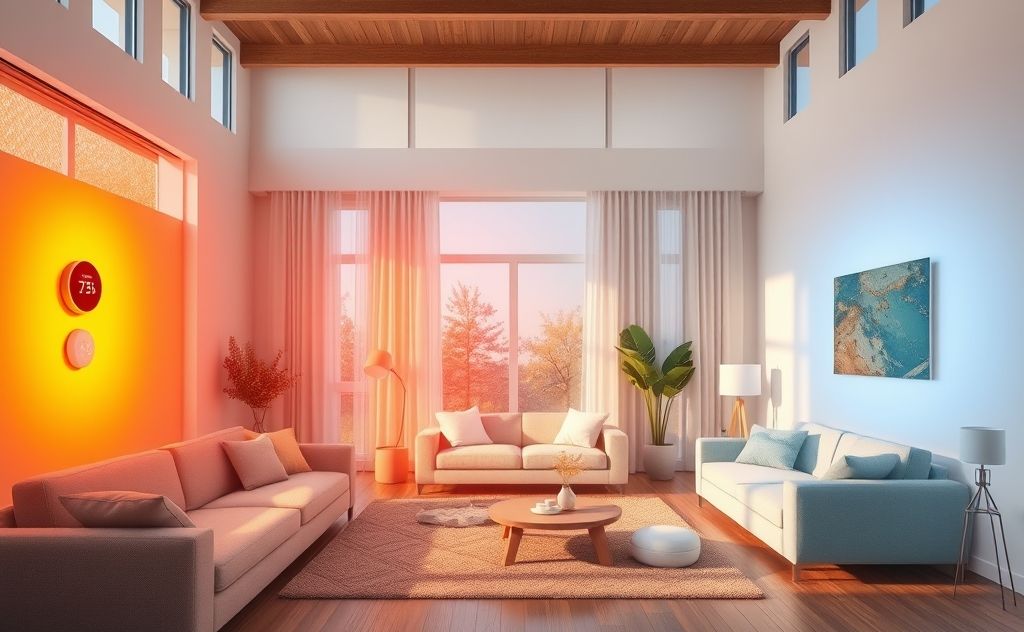
How Thermostat Zoning Works
Zoning systems use multiple thermostats connected to motorized dampers in your ductwork. Each zone has its own temperature sensor that communicates with the HVAC equipment. When a zone reaches its set temperature, the damper closes while other zones continue receiving conditioned air.
The Technology Behind Zoning
Advanced zone control panels like the AirBoss can manage up to eight zones with master zone functionality. These systems feature:
- Leaving Air Temperature (LAT) sensors to protect equipment
- Three-way priority switches for specific conditioning needs
- Compatibility with fossil fuel, heat pump and dual fuel systems
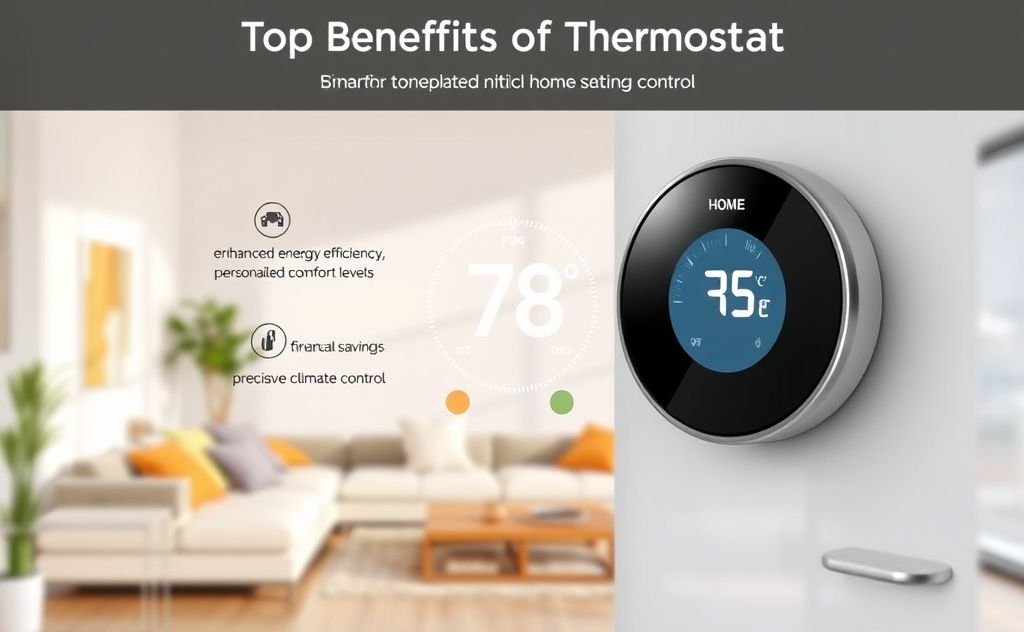
Top 5 Benefits of Thermostat Zoning
1. Significant Energy Savings
Zoning reduces wasted energy by up to 30% according to ENERGY STAR. Instead of conditioning the entire house, you only heat or cool occupied zones. For example, bedrooms can be set back during daytime hours while keeping living areas comfortable.
2. Enhanced Comfort Control
Family members can set different temperatures in each zone. The kitchen might stay cooler while bedrooms maintain a warmer setting. This eliminates thermostat battles and creates personalized comfort throughout your home.
3. Extended HVAC System Life
With zoning, your equipment runs less frequently and for shorter durations. This reduces wear on components, potentially adding years to your system’s lifespan. The zone control board includes protection features to prevent over-conditioning.
4. Flexible Temperature Management
Modern zoning systems offer:
| Feature | Benefit |
|---|---|
| Wi-Fi connectivity | Remote control from anywhere |
| Multi-stage compatibility | Works with advanced HVAC systems |
| Slave zone expansion | Add unlimited additional zones |
5. Ideal for Multi-Story Homes
Heat naturally rises, making upper floors warmer. Zoning solves this by allowing different temperature settings for each level. The U.S. Department of Energy recommends setting upstairs zones 2-3°F cooler than downstairs in summer.
Implementing Zoning in Your Home
Converting to a zoned system requires:
- Installing dampers in your ductwork
- Adding zone thermostats
- Connecting to a zone control panel
Professional installation ensures proper balancing and prevents airflow issues. Many systems work with existing ductwork, making retrofits possible without major renovations.
Smart Thermostat Integration
Modern zoning pairs perfectly with smart thermostats. Features like:
- Learning algorithms that adapt to your schedule
- Geofencing to adjust temperatures when you leave
- Energy usage reports to track savings
According to ENERGY STAR, proper use of programmable thermostats with zoning can save homeowners about $180 annually on energy bills.
Zoning for Different Home Types
Large Homes
Homes over 2,500 sq.ft. benefit most from zoning. The system prevents over-conditioning rarely used spaces like guest rooms or formal dining areas.
Multi-Level Homes
Zoning solves temperature stratification issues between floors. Bedrooms stay comfortable without freezing the living room below.
Homes with Sunrooms
Sun-facing rooms often need different temperature settings than shaded areas. Zoning allows independent control of these challenging spaces.
“`
Related pick: Check today's price on Amazon

I am a mechanical engineer and love doing research on different home and outdoor heating options. When I am not working, I love spending time with my family and friends. I also enjoy blogging about my findings and helping others to find the best heating options for their needs.
Related guides

Best Smart Thermostats for Multi-Zone Homes in 2026
The Ecobee SmartThermostat with Voice Control is often considered the best for multiple zones due to its advanced…
Can a Faulty Thermostat Cause Coolant Leaks?
A faulty thermostat can cause overheating, which may lead to coolant leaks due to increased pressure and stress…
How to Manually Override a Thermostat: Complete Guide
To manually override a thermostat, adjust the temperature setting on the thermostat itself, typically by turning a dial…
