

A faulty thermostat can cause overheating, which may lead to coolant leaks due to increased pressure and stress on the cooling system components.
A malfunctioning thermostat can indirectly lead to coolant leaks by causing engine overheating. While the thermostat itself doesn’t directly leak coolant, its failure can create conditions that damage other cooling system components, resulting in leaks. Understanding this connection helps diagnose cooling system issues accurately.

DINGTONG
Engine Coolant Thermostat Housing Assembly Replaces 15-11125…
- REPLACEMENT Engine Thermostat : Engine thermostat can fix the check engine light issue and no engine hiccups problem and engine ov…
- Compatible with CADILLAC : 2015-2020 ESCALADE Compatible with CHEVROLET : 2014 CHEYENNE|2014 CORVETTE|2014-2019 SILVERADO 1500|200…
- Reference Number: 12674639 12666569 12657137 12671393 12650534 12650536 1511097 1511108 815207 SK34836 902-2090 15-11125
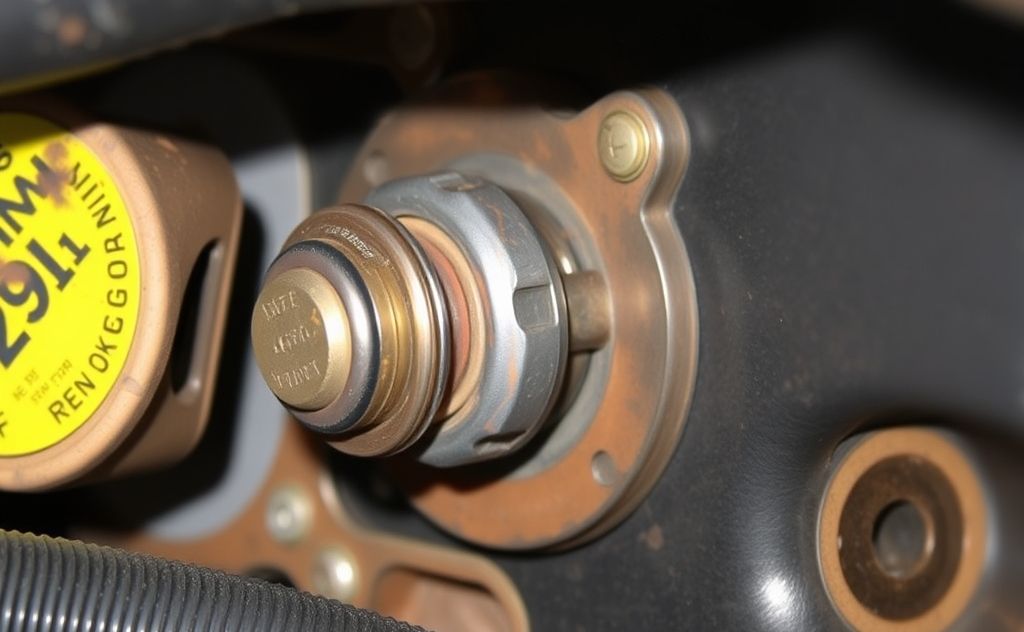
How Thermostat Failure Leads to Coolant Leaks
The thermostat regulates engine temperature by controlling coolant flow. When it fails, two scenarios can create conditions for leaks:
1. Stuck Closed Thermostat
A thermostat stuck in the closed position prevents coolant circulation, causing:
- Rapid engine overheating
- Increased system pressure
- Potential hose bursts or gasket failures
2. Stuck Open Thermostat
A thermostat stuck open causes:
- Prolonged warm-up times
- Inadequate operating temperature
- Increased thermal cycling stress on components
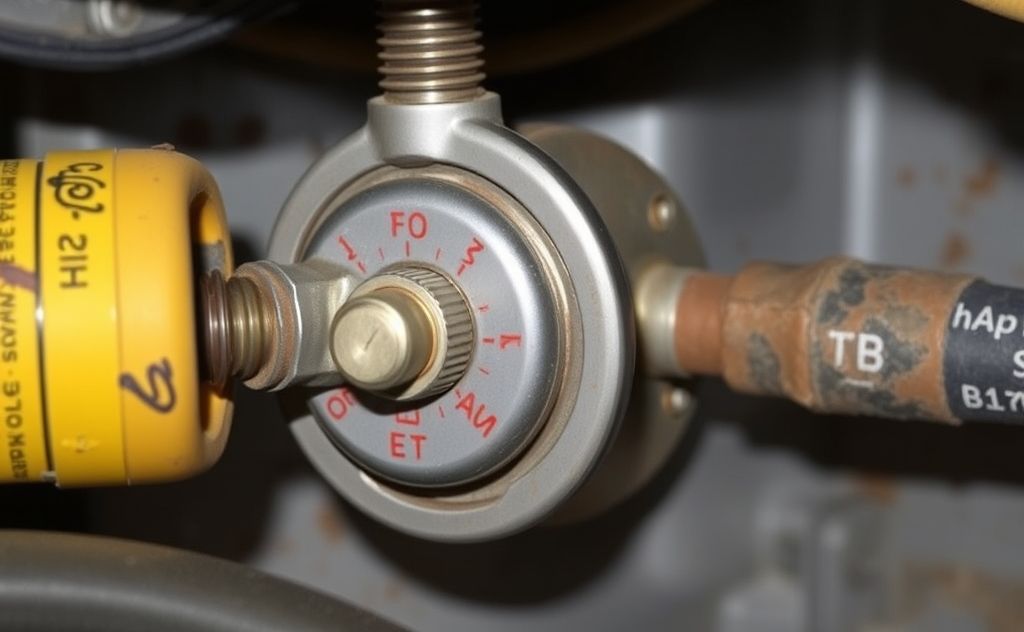
Common Leak Points Related to Thermostat Issues
| Component | Failure Mechanism | Signs |
|---|---|---|
| Water Pump | Overheating damages seals | Coolant near pump pulley |
| Radiator | Pressure cracks plastic tanks | Puddles under radiator |
| Hoses | Heat degrades rubber | Bulging or cracked hoses |
| Head Gasket | Extreme overheating warps surfaces | Milky oil or white exhaust |
Diagnosing Thermostat-Related Coolant Leaks
Proper diagnosis requires checking multiple system components:
Visual Inspection
Look for:
- Coolant stains around the thermostat housing
- Signs of overheating (discolored metal)
- Damaged hoses near the thermostat
Pressure Test
A cooling system pressure test can reveal:
- Small leaks not visible during normal operation
- Weak points in the system
Thermostat Function Test
Check thermostat operation by:
- Starting with a cold engine
- Monitoring temperature rise
- Feeling upper radiator hose for flow
Preventing Thermostat-Related Coolant Leaks
Regular maintenance prevents most thermostat-related issues:
- Replace thermostat every 50,000 miles or 5 years
- Use manufacturer-recommended coolant
- Flush cooling system periodically
- Inspect hoses and belts regularly
For optimal thermostat performance, consider upgrading to a high-quality thermostat designed for your specific vehicle.
When to Seek Professional Help

While some thermostat replacements are straightforward, complex cooling systems may require professional attention. This is especially true for vehicles with electronic thermostat controls or integrated heating systems.
According to Car Talk, ignoring thermostat problems can lead to engine damage costing 10-20 times more than a simple thermostat replacement. The AAA recommends addressing cooling system issues immediately to prevent costly repairs.
Thermostat vs. Water Pump Leaks
While both components can cause coolant loss, they have distinct symptoms:
- Thermostat issues typically cause temperature fluctuations
- Water pump failures often show visible leaks at the weep hole
- Thermostat housing leaks appear at the engine connection point
Proper diagnosis ensures you replace the correct component, saving time and money.
Related pick: Check today's price on Amazon

HeaterGuides covers home heating, water heating and HVAC: how the equipment works, what it costs to run, and how to use it safely.
