How a Propane Furnace Works and What You Need to Know
On this page 7 sections
- How a Propane Furnace Works
- Propane Furnace Efficiency and Factors Influencing Operating Costs
- Safety Considerations for Propane Furnaces
- Sizing and Installing a Propane Furnace for Your Home
- Maintenance Needs and Replacement Timing for Propane Furnaces
- Pairing a Propane Furnace with a Heat Pump
- Frequently Asked Questions
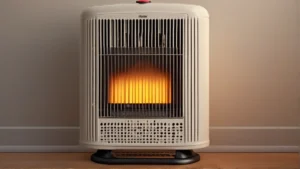
Propane furnaces convert liquid propane fuel into heat by burning it in a controlled combustion chamber. The heat warms air, which a blower distributes through ductwork to your rooms. This setup is common in rural or off-grid homes where natural gas lines aren’t available.
Getting the right size, efficiency rating, and maintenance plan matters. A poorly chosen or neglected propane furnace wastes money, risks carbon monoxide leaks, and leaves your home uncomfortable on the coldest nights.
How a Propane Furnace Works
A propane furnace heats your home by burning liquid propane gas in a controlled process that produces warm air distributed through ducts. It uses a burner, heat exchanger, blower, and thermostat to maintain your set temperature efficiently.

Propane furnaces rely on liquid propane stored in an external tank. When the thermostat calls for heat, the furnace’s control board opens a valve to release propane into the burner. The propane mixes with air and ignites, producing a clean, hot flame. This heat warms a heat exchanger, which transfers heat to the air pushed by a blower fan. The heated air moves through your home’s ducts and vents, raising the indoor temperature quickly and evenly.
Unlike natural gas, propane is stored on-site in pressurized tanks, making these furnaces popular in rural or off-grid homes without natural gas lines. They provide a reliable heat source in areas where electric or natural gas heating is impractical or unavailable. Propane furnaces typically include safety features like flame sensors and pressure regulators to ensure combustion is both efficient and safe.
The forced air system means your furnace works with the home’s ductwork, blowing warm air into multiple rooms simultaneously. This setup contrasts with radiant heaters or baseboard systems that heat one area at a time. Propane furnaces can be single-stage or multi-stage, the latter adjusting flame size and blower speed for better comfort and efficiency.
| Part | Function |
|---|---|
| Propane Tank | Stores liquid propane fuel |
| Burner | Ignites propane to create heat |
| Heat Exchanger | Transfers heat to air without mixing combustion gases |
| Blower Fan | Circulates warm air through ducts |
| Thermostat | Signals furnace to turn on or off |
| Safety Controls | Ensure safe combustion and shutoff if needed |
Propane Furnace Efficiency and Factors Influencing Operating Costs

The efficiency of a propane furnace depends on its Annual Fuel Utilization Efficiency (AFUE) rating, which measures how much fuel converts to heat. Factors like proper sizing, regular maintenance, and thermostat settings also influence operating costs.

Propane burns hotter and cleaner than natural gas, with about 91,500 BTU per gallon versus natural gas’s roughly 1,000 BTU per cubic foot. However, propane typically costs more per unit of energy. So, running costs depend on fuel price, furnace efficiency, and how much heat your home needs.
Say your 1,800 square foot home requires about 35,000 BTU per hour in winter. A 90% AFUE propane furnace burns roughly 39,000 BTU of propane per hour to meet that demand (35,000 ÷ 0.9). Since one gallon of propane has 91,500 BTU, the furnace uses about 0.43 gallons per hour. At $3.50 per gallon, that’s about $1.50 per hour of heating.
Running costs vary by home size, insulation, and climate. For example, a smaller 1,200-square-foot home might burn 0.3 gallons per hour, while a 2,500-square-foot home could require 0.6 gallons. With daily use averaging 8 hours, monthly propane consumption spans from 72 to 144 gallons, costing $250 to $500 at current prices.
| Home Size | BTU Demand/hr | Gallons/hr | Monthly Gallons (8 hr/day) | Monthly Cost @ $3.50/gal |
|---|---|---|---|---|
| 1,200 sq ft | 23,000 | 0.25 | 60 | Typical installation labor and materials add to the furnace price, varying by region and contractor. |
| 1,800 sq ft | 35,000 | 0.43 | 104 | Additional installation costs depend on furnace size and complexity of the setup. |
| 2,500 sq ft | 50,000 | 0.55 | 132 | Higher-capacity units require more extensive installation, affecting total costs. |

Safety Considerations for Propane Furnaces
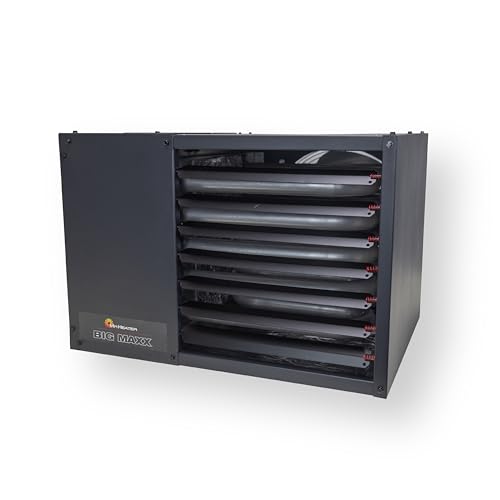
Safety with propane furnaces centers on proper ventilation, functioning carbon monoxide detectors, and following installation guidelines. The furnace must have an oxygen depletion sensor if used indoors, and all venting should meet code to prevent gas buildup.
Modern propane furnaces include safety features like flame sensors and automatic shut-offs. Flame sensors detect if the burner is lit and will shut down the gas valve if the flame goes out, preventing unburned propane from leaking.
Proper ventilation is essential. Your furnace must have an adequate air supply and vent exhaust gases outdoors to avoid dangerous indoor buildup. Keep flues and vents clean and unobstructed.
Never disable safety devices or skip installing a carbon monoxide alarm near your furnace. CO alarms are your last line of defense against poisoning.
 Heating System Upgrade PlannerChoose between a heat pump, a furnace, a boiler or a hybrid with your own numbers, and hire the right installer.Every system compared side by side25 questions for contractors, red flagsRunning-cost, payback and quote calculator (Excel)
Sizing and Installing a Propane Furnace for Your Home
Sizing a propane furnace starts with your home’s square footage and insulation quality. A general rule is about 30 to 50 BTU per square foot depending on climate and building tightness.
| Home Size (sq ft) | BTU Range |
|---|---|
| 1,000 | 30,000 to 50,000 |
| 2,000 | 60,000 to 100,000 |
| 3,000 | 90,000 to 150,000 |
Installation involves several challenges: ensuring proper venting, connecting the propane supply safely, and integrating ductwork for airflow. Labor and materials typically run from $3,000 to $7,000 depending on furnace size and complexity.
Many natural gas furnaces can be converted to propane with a conversion kit, which swaps out key components like the burner and orifice. Carrier, for example, offers kits for several models. Conversion requires professional service to ensure safe operation and compliance.
A well-sized propane furnace saves fuel and reduces wear. Oversizing wastes energy and increases cycling, while undersizing leaves your home cold.
Installation cost varies by region and home specifics but budgeting around $4,000 including equipment is typical. Factor in permits and possible duct modifications.
If you want to explore efficiency upgrades or zoning controls, some propane furnaces support variable-speed blowers and multi-stage heating for better comfort and savings.
Maintenance Needs and Replacement Timing for Propane Furnaces
Annual professional inspection is essential for propane furnaces to run safely and efficiently. A technician checks the burner, heat exchanger, ignition system, and ventilation to catch issues early.
Routine maintenance tasks include cleaning or replacing air filters, inspecting and cleaning the burner assembly, checking the flame sensor and ignitor, and lubricating blower motors if applicable. These help maintain proper airflow and combustion.
Frequent repairs often involve pilot or ignition problems, clogged burners, and blower motor failures. These symptoms usually point to wear or dirt buildup rather than major system failure.
Watch for signs that replacement is needed: rising energy bills despite maintenance, frequent breakdowns, uneven heating, yellow or irregular flame color, and visible rust or cracks on the heat exchanger. These indicate declining efficiency or safety risks.
Pairing a Propane Furnace with a Heat Pump
Yes, pairing a propane furnace with a heat pump is effective and increasingly common. The heat pump handles mild to moderate temperatures efficiently, while the propane furnace provides backup heat during very cold weather.
This setup improves overall efficiency and comfort by zoning your home’s heating. The heat pump operates as the primary source, reducing propane use, especially in shoulder seasons.
Controls must coordinate the two systems, often requiring a dual-fuel thermostat that switches between heat pump and furnace based on outdoor temperature or demand. Proper wiring and compatible thermostats are key.
Pairing makes sense in climates with cold winters and milder transition seasons, and in homes without natural gas service. It balances cost, comfort, and efficiency better than relying on propane alone.
For detailed zoning options and thermostat setups, see smart zoning options for propane furnace heating.