Skip to content
HeaterGuides
Installation

Options for Replacing an Old Electric Furnace: Job Time

On this page 6 sections
  1. Options for Replacing Old Electric Furnace
  2. When Permits Or A Licensed Pro Are Required
  3. What Usually Goes Wrong During Replacement
  4. How To Check The Old Furnace Before You Buy
  5. How Long The Job Takes And What It Costs In Work
  6. Questions People Ask
Straight answer
Replacing an old electric furnace usually takes half a day to a full day, and the best path depends on the ductwork, breaker size and condition of the air handler. Swapping like for like is a qualified DIY job in some homes, but new wiring, panel changes and any heat pump or duct redesign are pro work.

A half-true belief hangs over this job: if the old furnace still blows warm air, a new one is overkill. The first half is true only if the cabinet, controls and wiring are still sound; once parts, breakers or ducts are failing, you’re paying for repeated repairs and higher operating cost.

The real choice is usually between a like-for-like electric furnace swap, a heat pump upgrade, or a broader air-handler replacement with new controls and breaker work. The right answer depends on your panel capacity, duct size, and whether the old unit is tied to a mixed system or a straight electric setup.

What to remember
Match the replacement to your panel capacity before you buy anything.
If the breaker, feeder or disconnect needs changes, plan on a licensed electrician.
A heat pump can cut winter electric use, but the ductwork and backup heat have to fit it.
Replace any rusted drain pan, brittle whip, or scorched wiring while the cabinet is open.
Pull a permit if your local code treats furnace replacement or wiring changes as permitted work.

Options for Replacing Old Electric Furnace

The options for replacing an old electric furnace are a like-for-like furnace swap, replacing the air handler, or converting to a heat pump with electric backup. Choose based on the existing breaker and wiring, duct condition, cabinet fit, thermostat compatibility, and whether the furnace works with an outdoor air-conditioning unit.

For a straightforward replacement, matching the old unit’s electrical requirements and physical connections usually means the least disruption. An air-handler replacement makes sense when the indoor cabinet or blower is failing, while a heat pump conversion changes how the home heats and cools and generally needs HVAC design and installation work.

PathEffortLikely electrical workWho should do it
Like-for-like electric furnaceLowest if connections and cabinet matchMay reuse existing circuit; verify the new unit’s requirementsQualified DIYer only when local rules and the manufacturer allow it; otherwise an HVAC pro
Air-handler replacementModerate; check coil, cabinet, and duct connectionsMay require changes if the unit’s electrical specs differHVAC pro
Heat pump with electric backupHighest; system and controls changeOften requires electrical and thermostat changesHVAC and electrical pros
The existing equipment and local requirements can change the work involved.

Before choosing, check the breaker rating against the replacement unit’s nameplate, inspect ducts for damage or poor fit, and compare the new cabinet’s dimensions with the available space. Confirm the thermostat supports the system’s controls. If an outdoor AC unit is connected to a coil above or beside the furnace, the furnace is part of a split system; replacing only the indoor equipment means checking that the coil and controls are compatible.

Myth
A bigger electric furnace will heat the house better.
Fact
A larger unit isn’t automatically an upgrade. The ducts, breaker, wiring, and air handler were selected for a particular system; a replacement that exceeds their capacity can require changes and may not work correctly.
Basic Like-For-Like Swap Supplies
Voltage tester and multimeter
Screwdrivers and nut drivers
New filter of the specified size
Whip or connector, if specified for the new unit
Furnace pad or pan, if needed for the installation
Wire labels
Manufacturer’s installation kit and instructions
Before You Touch the Unit
Shut off the correct breaker and verify zero voltage at the equipment with a tester before handling wires. A thermostat set to Off does not disconnect power. If your home has a hybrid system with gas equipment, don’t touch gas piping or venting; stop and call a qualified HVAC professional. Don’t proceed with electrical work you aren’t trained or permitted to do.
1
Shut off power
Turn off the furnace breaker, then verify zero voltage at the unit before opening the cabinet.
2
Document connections
Photograph and label the wiring and thermostat connections. Record the nameplate details and follow the new unit’s installation diagram.
3
Remove the old unit
Disconnect only after confirming power is off, then remove the old equipment without pulling or bending connected ducts and wiring.
4
Set and level the replacement
Position the new unit on the required pad or pan, check that it sits level, and confirm the cabinet aligns with the duct connections.
5
Reconnect and test
Reconnect only as the manufacturer’s diagram specifies, install the filter, and have a qualified person restore power if the wiring work requires it. Check that the thermostat calls for heat and that airflow reaches the registers.
Check the Outdoor Unit Before Choosing
If the old furnace shares an indoor coil with an outdoor air conditioner, don’t assume a new air handler or heat pump will match it. The HVAC installer should verify coil and control compatibility before you buy equipment; otherwise, a planned indoor-only swap can turn into a larger system replacement.

When Permits Or A Licensed Pro Are Required

Often, yes: replacing an electric furnace may require a permit, and new electrical work generally belongs to a licensed electrician. Rules vary by location, so even a like-for-like swap with no new wiring can require a permit. Get the local answer before ordering equipment.

A new circuit, breaker change, feeder replacement, disconnect work or panel upgrade typically needs a permit and licensed electrical work. The electrician checks that the circuit and conductors suit the equipment; a breaker that fits the panel isn’t proof that the wiring is suitable.

A heat pump conversion, refrigerant work or duct redesign should go to a licensed HVAC professional where local code requires it. Even when the equipment appears to fit, changing system type or airflow can affect how the home heats and how the installation must be inspected.

Permits allow the work to be inspected, and inspections can catch unsafe wiring or installation problems before they become a winter failure. Proper labeling also helps the next person identify the furnace circuit and disconnect without guessing. Local code sets the actual requirements.

Check Before You Order
Call your local building department with the furnace type, whether the replacement changes capacity or system type, and whether the electrical circuit or ducts will change. Ask which permits and inspections apply; requirements differ by jurisdiction.
Ask Before Work Starts
Does a like-for-like furnace replacement need a permit here?
Will any circuit, breaker, feeder, disconnect or panel work require a licensed electrician?
Does a heat pump conversion or duct change require an HVAC permit or inspection?
Who will arrange inspections and label the new equipment and circuit?

What Usually Goes Wrong During Replacement

Electric furnace replacement mistakes usually come from electrical mismatches, restricted airflow or a poorly drained cabinet. A new furnace may trip its breaker if the breaker and equipment don’t match, a connection is loose, conductors are undersized or wiring is reversed. Loose lugs can heat up; repeated trips aren’t a problem to solve by fitting a larger breaker.

Airflow errors can overheat the electric elements. The wrong blower speed, a crushed return, a dirty filter or a cabinet that doesn’t match the system can restrict the air moving across them. The result may be a high-limit shutdown or damage; the specified airflow and electrical connections need to be checked against the equipment instructions.

Leaks after furnace replacement usually come from condensate drainage on a system with a cooling coil or heat pump backup. A poor drain slope, missing or incorrect trap, misaligned pan or obstructed drain line can send water onto the cabinet or floor. A tilted cabinet can leave water sitting in the pan, where it can contribute to rust.

SymptomPossible cause
Breaker trips repeatedlyElectrical mismatch, loose connection or wiring fault
Furnace overheats or shuts downRestricted airflow or incorrect blower setup
Water under the unitDrain, trap, pan or cabinet-level issue
These clues point to checks for a qualified technician; they don’t identify a cause on their own.
Stop And Get Help
Stop the furnace if you smell burnt insulation, see discolored wire, get repeated breaker trips or find water under the unit. Don’t keep resetting the breaker or run the system with signs of overheating or leaking. Have a licensed electrician or HVAC technician inspect the relevant parts before restarting it.
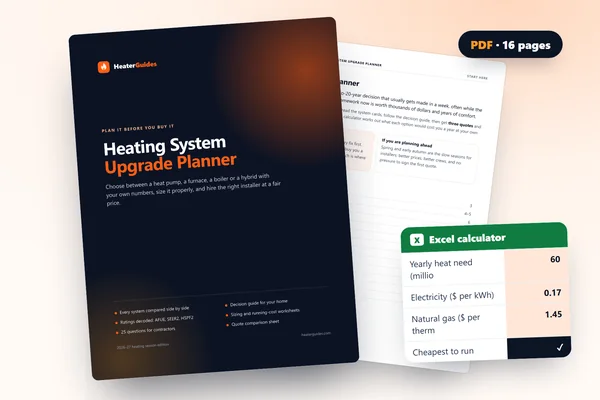
From HeaterGuides · our own guideReplacing a furnace? Page 11 lists 25 questions for installers; page 13 compares the quotes.Heating System Upgrade Planner: the printable guide and its Excel calculatorHeating System Upgrade PlannerChoose between a heat pump, a furnace, a boiler or a hybrid with your own numbers, and hire the right installer.Every system compared side by side25 questions for contractors, red flagsRunning-cost, payback and quote calculator (Excel)$14.99 $9.99Get it for $9.99See what's inside and watch the 2-minute video →16-page printable PDF + Excel calculator · instant download · 30-day refund

How To Check The Old Furnace Before You Buy

options for replacing old electric furnace: How To Check The Old Furnace Before You Buy

Measure the old electric furnace’s cabinet, duct openings and electrical supply before you order a replacement; matching those details helps prevent a unit that won’t fit or can’t be safely powered. Check the data plate for voltage and amperage, then confirm the breaker and any visible wire gauge against the replacement’s requirements. Those numbers matter more than cabinet color or brand.

Electric Furnace Replacement Size Checklist
Measure cabinet width, height and depth.
Measure the supply and return openings.
Record breaker amperage and wire gauge if visible; don’t remove electrical covers to find it.
Note the thermostat type and photograph its wiring before disconnecting anything.
Photograph the furnace data plate, including voltage and amperage.
CheckWhat it tells youIf it doesn’t match
Cabinet dimensionsWhether the unit fits the available spaceIt may not fit, or service access may be blocked.
Supply and return openingsWhether the duct connections line upAdapters or duct changes may be needed; restricted airflow can follow.
Breaker and wire gaugeWhether the circuit can serve the replacementAn undersized circuit may need electrical work; don’t assume the old breaker is suitable.
Data-plate voltage and amperageThe unit’s electrical requirementsA mismatch can make the unit incompatible or unsafe to connect.
Thermostat type and wiringWhether the controls can operate the new unitA different control setup may require a compatible thermostat or rewiring.
Compare every electrical requirement with the replacement’s installation instructions.

Look beyond the furnace box, too: heavy airflow restrictions, rust, burned terminals or a cracked drain pan can point to repairs or replacement of connected parts. Don’t energize equipment with burned wiring; have a qualified technician assess it.

Take These Along
Bring the data-plate photo and a clear wiring photo to the supply house or contractor estimate. They’re more useful than trying to remember the model from a cold basement.

How Long The Job Takes And What It Costs In Work

A simple like-for-like electric furnace swap can take a day; adding panel work, changing ducts or converting to a heat pump takes longer. The cabinet swap is often the quick part. Testing, rewiring and checking airflow and safety controls take the time that keeps a new system from becoming tomorrow’s problem.

options for replacing old electric furnace: How Long The Job Takes And What It Costs In Work

A like-for-like DIY replacement may be possible if you already understand electrical safety and local rules allow it. Most homeowners should hire a licensed professional for work beyond a basic swap, especially new wiring, panel changes, duct redesign or a heat pump conversion. The earlier sections cover permit and licensing requirements.

In short
Plan on a day for a straightforward swap, and more time when the electrical system, ducts or heating type change. DIY makes sense only when the replacement truly matches and you can do the work safely and legally.
Don’t Rush The Match
A shortcut’s savings disappear fast if the breaker is wrong or the ducts are undersized: either mismatch can mean more work and poor system operation. Get the electrical and airflow requirements checked before installation day.

If you’re weighing a small electric heater for one room instead of replacing central heat, compare the limits and installation steps in this guide to replace an old electric heater with a new model; it’s a different job from replacing a furnace.

Questions People Ask

What are the options for replacing an old electric furnace?
You can replace the furnace with a similar electric model, replace the air handler, or switch to a heat pump with electric backup. The right choice depends on the condition of the blower and ducts, the home’s electrical capacity, and whether you want heating and cooling from one system.
Do I need a permit to replace an electric furnace?
Permit rules depend on your city or county, so check with the local building department before work starts. A change to the circuit, breaker, panel or equipment type can trigger electrical permits and inspection even when a basic replacement does not.
Can I replace an electric furnace myself?
A homeowner may be able to handle a direct equipment swap where local rules allow it, but the work involves heavy equipment and high-voltage wiring. Hire a licensed electrician for new circuits or panel changes, and a qualified HVAC contractor for heat-pump conversions, duct changes or commissioning.
How long does it take to replace an electric furnace?
A straightforward swap can take about half a day to a full day once the replacement is on site and fits the existing connections. Panel work, duct repairs or a heat-pump conversion can extend the job, and inspections may add time afterward.
When should I upgrade to a heat pump instead of another electric furnace?
Consider a heat pump if you want cooling too and your home’s ducts and electrical supply can support the equipment. Keep electric resistance heat when the existing setup is in good condition and a heat pump conversion would require costly electrical or duct changes; have a contractor check the design conditions for your climate.
What measurements do I need before buying a replacement electric furnace?
Record the cabinet height, width and depth, supply and return duct opening sizes, and the clearance around the unit. Also photograph the nameplate and note the breaker rating, voltage and wiring arrangement; have an electrician verify circuit capacity rather than assuming the old breaker suits a new model.

Joye Editor

HeaterGuides covers home heating, water heating and HVAC: how the equipment works, what it costs to run, and how to use it safely.

More in Installation