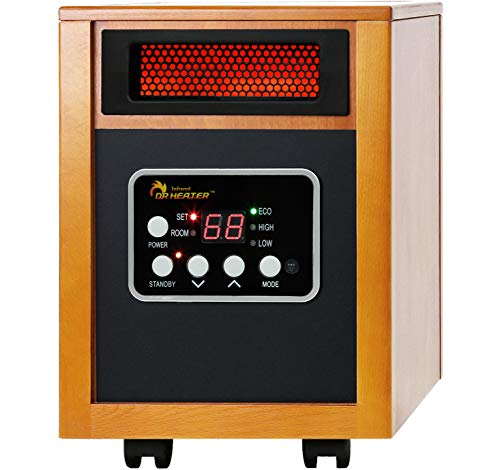
Older houses lose heat through attic hatches, rim joists, leaky windows and hollow doors, so the cheapest BTU is the one you never have to buy. A small heater can help, but only in a closed room with the draft problem under control.
The trick is plain: reduce the load first, then pick the cheapest safe way to heat the space you actually occupy. A 1,500 W plug-in heater can be useful in one room; it is a bad plan for heating an entire leaky house.
Heaters That Will Reduce Heating Bill In An Old House
Heaters can reduce heating costs in an old house only when they let you lower whole-house heat or warm just the rooms you use. Old houses leak air and lose heat quickly, so using a heater that targets occupied spaces is key to saving money.
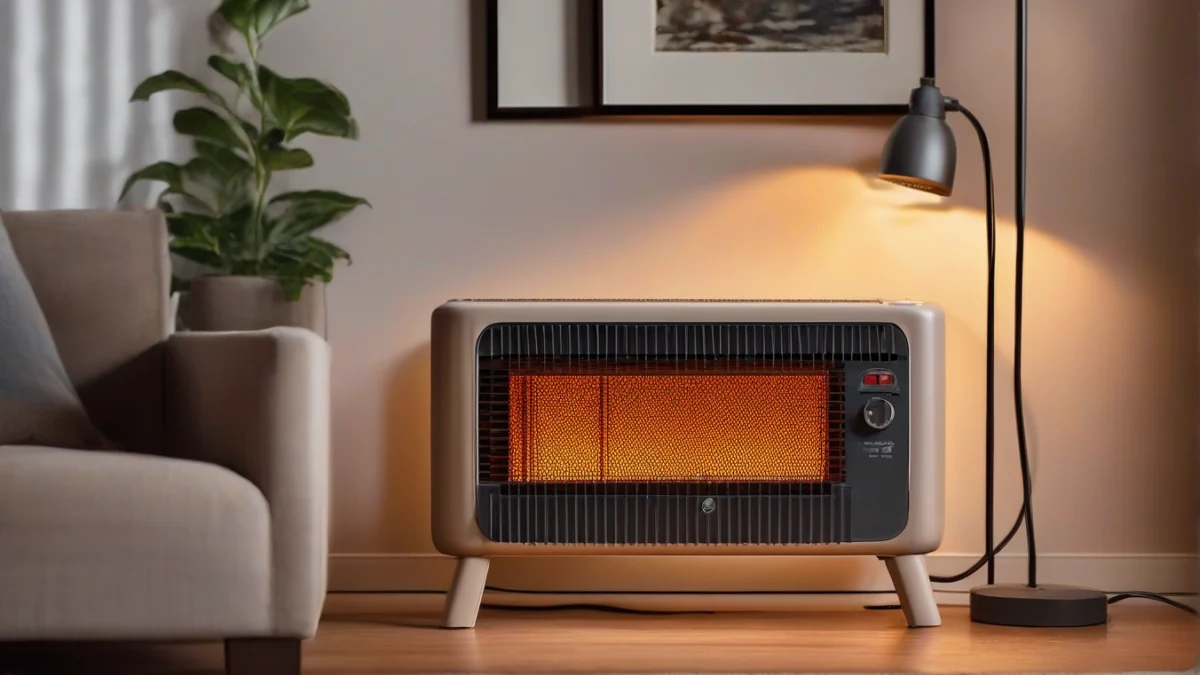
Electric resistance heat wastes money if you run it to warm the entire house because drafts and poor insulation let that heat escape fast. Instead, heaters like infrared panels, oil-filled radiators, and small convection or ceramic heaters work best when used in a limited area where you spend time.
Infrared heaters warm people and objects directly, so you feel warm quickly without raising the whole room temperature. Oil-filled radiators release steady, gentle heat to keep a room comfortable for hours, ideal for longer stays. Small convection or ceramic heaters suit short-term use in closed rooms, providing quick warmth but cooling fast when off.
| Heater Type | Best Use | Comfort Style | Main Drawback |
|---|---|---|---|
| Infrared | Small, occupied spaces | Instant radiant warmth | Doesn’t heat air; uneven warmth |
| Oil-filled radiator | Medium rooms for steady heat | Slow, consistent warmth | Takes time to heat up |
| Convection/Ceramic | Quick use in small, closed rooms | Fast air warming | Heat lost quickly when off |
Because old houses have drafts and thin insulation, the wattage of a heater matters less than how you use it. Heating one room well while sealing drafts lets you turn down the central system or avoid heating unused rooms, cutting your bill.
If you don’t have gas and want to reduce heating costs in an old house, electric room heating combined with draft sealing can work—but only for limited rooms and hours. Using a heater all over a drafty house just wastes money.
What Stops Heat Loss In An Old House First
Stopping heat loss with draft sealing should come before buying a new heater. Warm air escaping and cold air leaking in force your heater to run longer, no matter the brand or type.
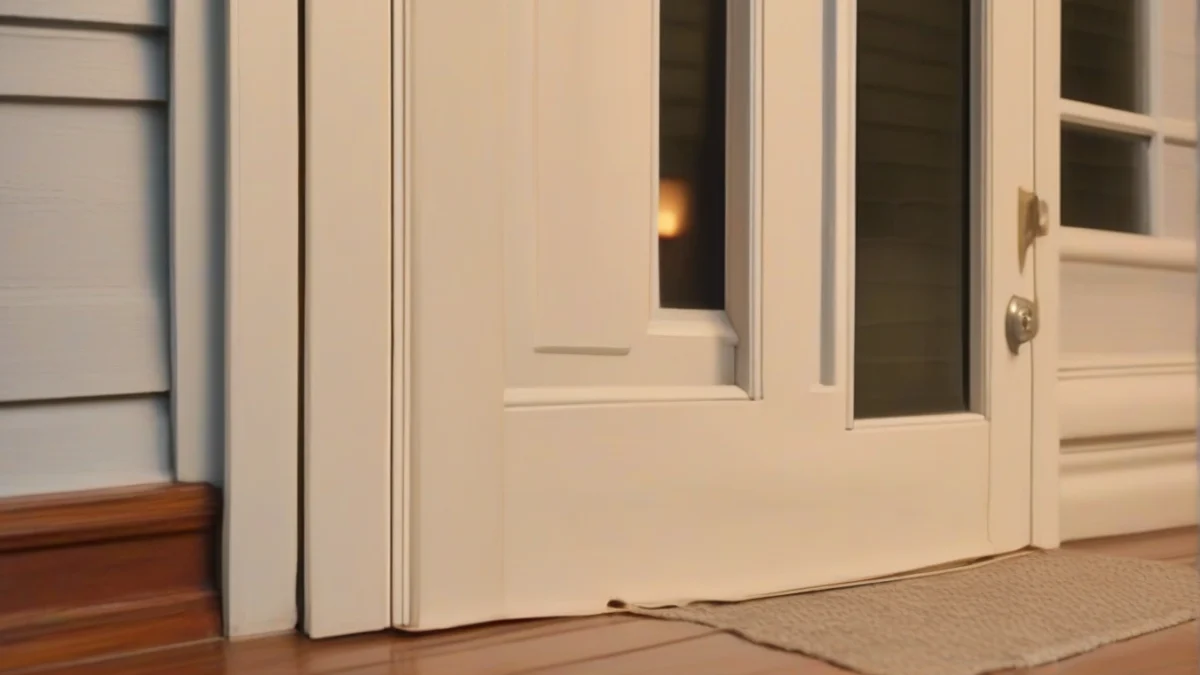
Weatherstripping doors and sealing obvious gaps around windows, walls, and floors slow the flow of air. A thermal curtain over a drafty doorway adds a layer of insulation, especially between a cold hallway and a main living room.
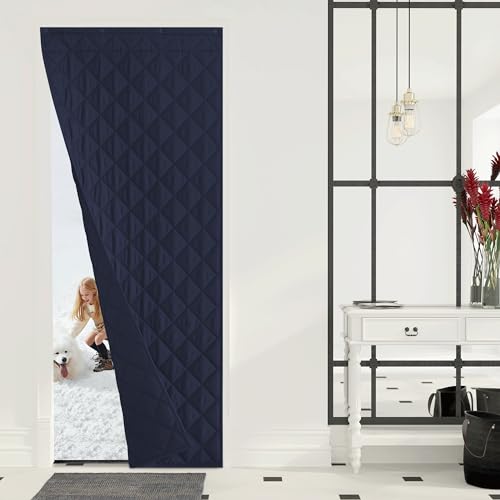
A curtain helps with one doorway at a time but won’t fix unsafe combustion appliances or rooms with major moisture or mold problems. Those need professional attention and proper ventilation.
Running Costs For Room Heaters In Plain Numbers
Heaters that will reduce heating bills in an old house do so only when you cut overall heat use or target the rooms you actually occupy.
A typical plug-in electric heater draws about 1,500 watts. Running it for 8 hours uses 12 kilowatt-hours (kWh): 1,500 W ÷ 1,000 × 8 = 12 kWh. At 17 cents per kWh, that costs about $2.04 per day. That’s the core number to keep in mind before leaving a heater on all night or buying one for long periods.
Lower wattage heaters or oil-filled radiators can cut your daily cost roughly in half if you run them the same hours. Oil-filled units also hold heat longer after they click off, smoothing temperature swings.
Immersion heaters heat water directly and work differently. Their cost depends on the tank’s size, the water temperature you set, and heat loss from the tank—not on room size or runtime. So reducing water heating costs means lowering the tank temperature or insulating the tank, not just turning the heater off sooner.
If your heater runs many hours, saving money comes from lowering the heated area first—closing doors or heating only the rooms you use beats chasing small efficiency gains between electric heaters. Resistance heating is nearly 100% efficient at converting electricity to heat anyway.
Which Rooms An Electric Heater Actually Suits
Electric heaters that will reduce heating bills work best in bedrooms, home offices, or any closed sitting room where you can shut the door.
An infrared heater shines heat directly on people or objects, making it great for a chair or desk area where you want quick, targeted warmth. Oil-filled radiators provide steadier background heat, slowly warming the air and the room over time.
Open floor plans or very drafty rooms are poor candidates for electric heaters. The warm air just escapes, wasting energy and money.
Zone heating with electric heaters works when you pick rooms carefully and seal drafts first. Otherwise, you just pay to heat the outdoors.
If you want to reduce costs on immersion heating without gas, focus on water tank insulation and lowering thermostat settings rather than relying on electric room heaters alone. For more details on heaters that suit drafty old houses, see Electric Heaters That Work Well in Drafty Old Houses.
Old House Heat Fixes That Pay Back Faster
Reducing heating costs in an old house starts with fixes that pay off quickly—weatherstripping and zoning rooms come first.
Sealing drafts around windows and doors lowers heat loss immediately, so your heater works less to keep the air warm. Zoning means heating only the rooms you spend time in, often with a small electric heater or closing vents in unused rooms if your system allows.
Thermostat setbacks can save money if your house holds heat well. If it loses warmth fast, turning the heat down at night or when away won’t help much because the system must work harder later to catch up.
If your house uses hydronic radiators or forced-air, problems often come from duct leaks, blocked pipes, or poor controls. Fixing those is usually better than adding space heaters that can waste fuel or electricity.
| Fix Type | Time to Pay Back | How It Saves |
|---|---|---|
| Weatherstripping | Weeks to months | Stops drafts to keep heat inside |
| Room Zoning | Weeks | Heats only rooms you use, reducing whole-house demand |
| Thermostat Setback | Months | Lowers heat when you don’t need it, if the house holds warmth |
| Duct or Pipe Repair | Months to years | Improves system efficiency, reduces wasted fuel |
| Equipment Replacement | Years | Upgrades to efficient system if original is failing or undersized |
What To Check Before The First Cold Snap
Before cold sets in, reduce heating costs in an old house by checking critical safety and efficiency points.
For water heaters or boilers, gas connections, venting, and the temperature and pressure (T&P) valve must be inspected and serviced by licensed professionals. Never cap or plug a T&P valve—it prevents dangerous pressure buildup.
More Questions, Answered
Will a space heater lower my heating costs in an old house?
What is the cheapest way to reduce heating costs in a drafty old house?
How do I reduce costs with immersion heating without gas?
Which rooms are best for an electric heater in an old house?

I am a mechanical engineer and love doing research on different home and outdoor heating options. When I am not working, I love spending time with my family and friends. I also enjoy blogging about my findings and helping others to find the best heating options for their needs.
Related guides
How to Stay Cool in Extreme Heat DAL: What Really Works
Effective ways to stay cool in the heat DAL, why most get it wrong, and practical tips you…

Smart Heater Settings to Slash Energy Bills by 10%
To save energy, set your heater to 68°F (20°C) during the day and lower it at night or…
Forced Air Heating: Top Energy-Saving Benefits for Your Home
You know that feeling when the heating bill arrives in January and it's $150 more than you expected.…