

To save energy, set your heater to 68°F (20°C) during the day and lower it at night or when you’re away, using a programmable thermostat for efficiency.
Heating accounts for nearly 42% of home energy use, but simple thermostat adjustments can yield significant savings. This guide reveals expert strategies to optimize your heater settings while maintaining comfort.

DREO
DREO Smart Wall Heater, 1500W Space Heater…
- Widespread Warmth: DREO's 120° wide oscillation heating distributes warm air evenly from top to bottom, helping to bring fast heat…
- Smart Control, Seamless Lifestyle: Schedule room heating hours to match your routine, access your heater settings from anywhere wi…
- Fast and Accurate Temperature Control: Set the room temp as you like, choose from 41 to 95°F range with an unprecedented 1°F accur…
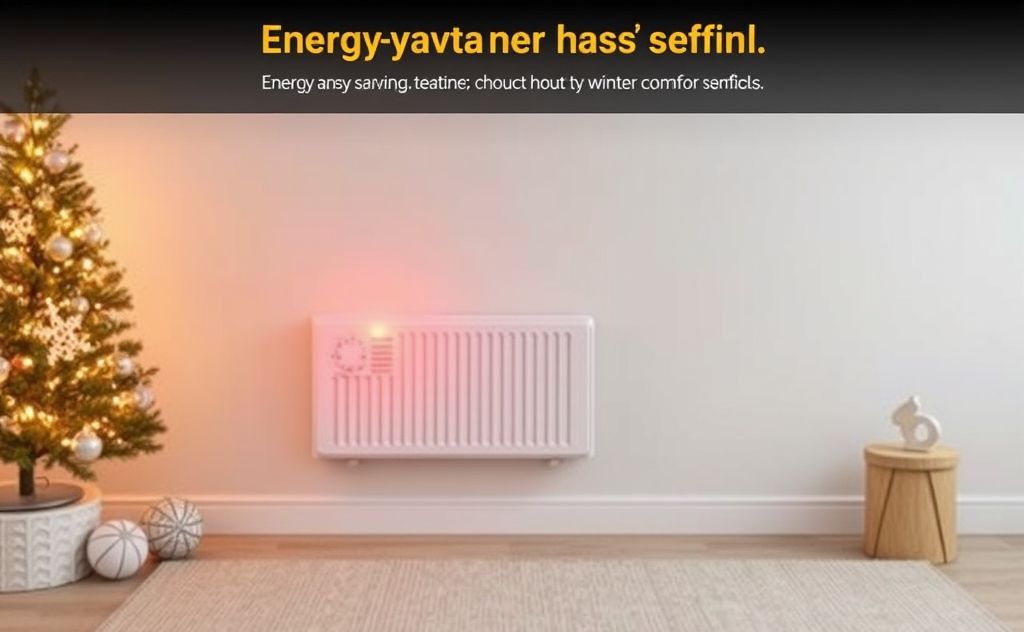
The 68°F Rule for Maximum Savings
The U.S. Department of Energy recommends 68°F as the ideal daytime winter temperature. For every degree you lower your thermostat below this:
- Save 1-3% on heating costs
- Reduce carbon emissions by 300-500 lbs annually
- Extend HVAC system lifespan by reducing runtime
Nighttime and Away Settings
Program your thermostat to:
| Situation | Recommended Temp | Duration |
|---|---|---|
| Sleeping | 62-65°F | 6-8 hours |
| Workday | 60-62°F | 8+ hours |
| Vacation | 55°F | Extended periods |
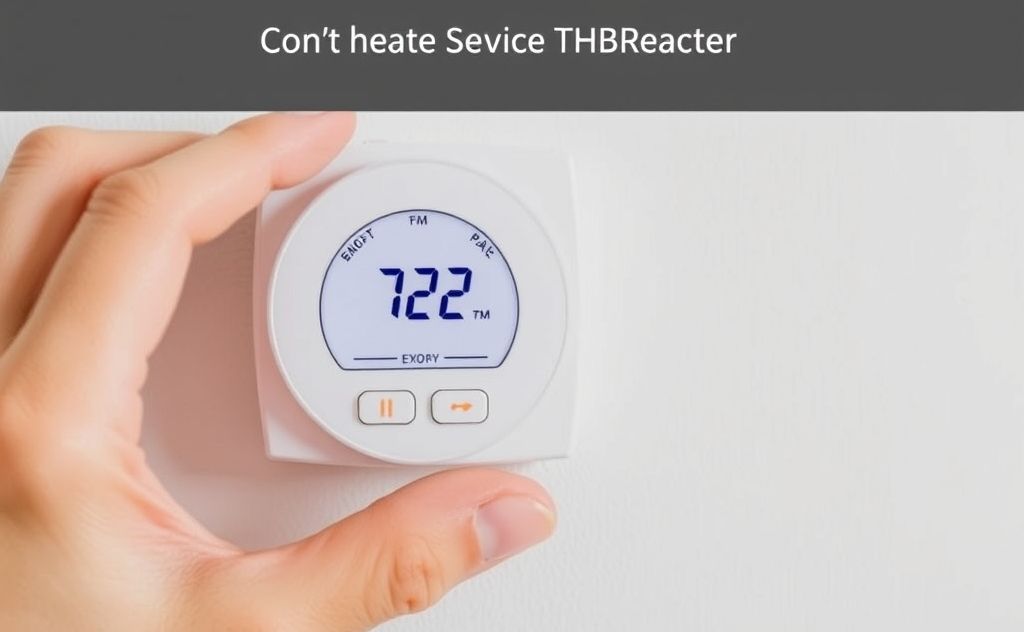
Choosing the Right Thermostat
Programmable vs Smart Thermostats
While basic programmable models like the Mr. Heater thermostat work well, smart thermostats offer advanced features:
- Learning algorithms that adapt to your schedule
- Remote control via smartphone apps
- Energy usage reports and savings tracking
- Geofencing to adjust when you leave/return
According to Energy.gov, proper use of programmable thermostats can save homeowners about $180 annually.
Special Considerations for Different Systems
Heat Pumps
Unlike conventional systems, heat pumps become less efficient when set back more than 2°F. Consider a specialized thermostat designed for heat pump operation.
Radiant Floor Heating
These systems respond slowly. Begin temperature setbacks 2-3 hours before needed changes to account for thermal mass.
Electric Baseboard Heaters
Require line-voltage thermostats. Look for models with adaptive recovery to gradually warm spaces before your wake time.
Advanced Energy-Saving Techniques
Zoned Heating
Install multiple thermostats to control different areas independently. Focus heat only where needed.
Thermal Curtains
Quality window treatments can reduce heat loss by 25%, allowing lower thermostat settings.
Smart Vents
Automatically close vents in unused rooms to direct heat where it’s needed most.
Myth Busting: Common Misconceptions
Myth: Turning heat way up warms the house faster.
Truth: Heating systems work at one speed – cranking the thermostat wastes energy.
Myth: Maintaining one temperature is most efficient.
Truth: Strategic setbacks save energy as shown in DOE studies.
Myth: Smart thermostats don’t work with old systems.
Truth: Most modern smart thermostats are compatible with systems dating back decades.
Seasonal Adjustment Strategies
Winter Optimization
- Use sunlight – open south-facing window coverings during day
- Reverse ceiling fans to circulate warm air downward
- Seal drafts around windows and doors
Summer Crossover
When switching to cooling mode:
- Start with 78°F as your baseline temperature
- Increase to 85°F when away for extended periods
- Use fans to feel 4°F cooler without lowering the thermostat
For homes with combined systems, consider the best through-the-wall AC/heater units for efficient year-round climate control.