

The mistake usually costs comfort first, then money. Mount it too low and the display looks cramped; mount it too high and the heat can miss the room while the lower wall turns into dead space.
The fix is simple: check the manual, then measure floor clearance, heat clearance, and seated eye level before you drill a single hole.
Electric Fireplace Floor Clearance Requirements
An electric fireplace should usually be mounted about 12 to 24 inches above the floor, depending on the model and installation type. Wall-mounted units typically sit toward the higher end of that range, while built-in and recessed fireplaces can be positioned lower, sometimes even flush with the floor or up to 18 inches above it.
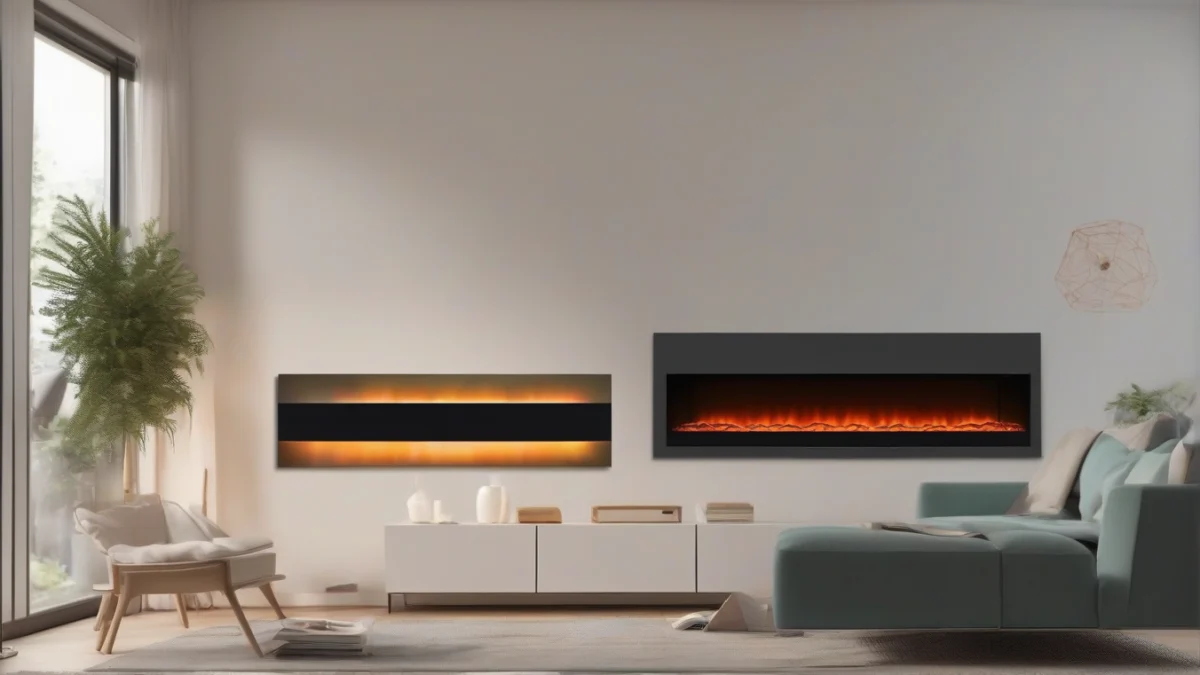
How high you mount your electric fireplace isn’t just about looks. The height affects how comfortably you can watch the flames, how well the heat circulates, and whether the unit gets enough airflow to avoid overheating. Setting the fireplace too low or too high can throw off this balance.
Manufacturers usually require a minimum clearance of 12 inches from combustible materials, which often includes the floor, trim, or nearby furniture. Every unit’s manual spells out this minimum height and clearance, and you should follow those instructions carefully. If local building codes or the National Fire Protection Association (NFPA) standards differ, the stricter rules must be followed.
The NFPA sets a general floor clearance benchmark of at least 12 inches for wall-mounted fireplaces, but some built-in or freestanding electric fireplaces are designed to sit lower or even rest on the floor with adequate legs or feet for ventilation. The key is to check the specific product’s listing and installation guide, since electric fireplaces produce less heat than wood or gas and can often be mounted higher without safety concerns.
Wall-mounted electric fireplaces usually range between 18 and 24 inches above the floor to align with seated eye level and media wall setups. Built-in or recessed models often sit lower, sometimes just 6 to 18 inches from the floor, which can create a cozy look and direct heat where you want it. Freestanding units might rest directly on the floor or on a hearth, but they must have enough clearance underneath to keep air flowing and prevent heat buildup.
For detailed mounting height advice tailored to specific fireplace types, room layouts, and integrating TV and furniture placement, see our full guide on electric fireplace installation.
When The Answer Changes By Room And Fireplace Type
Wall-mounted electric fireplaces generally need to be installed higher on the wall—around 18 to 24 inches off the floor—while built-in or recessed models sit lower, sometimes flush with the floor or up to 18 inches above it. Freestanding electric fireplaces are an exception since they rest directly on the floor, making floor clearance irrelevant for their height.
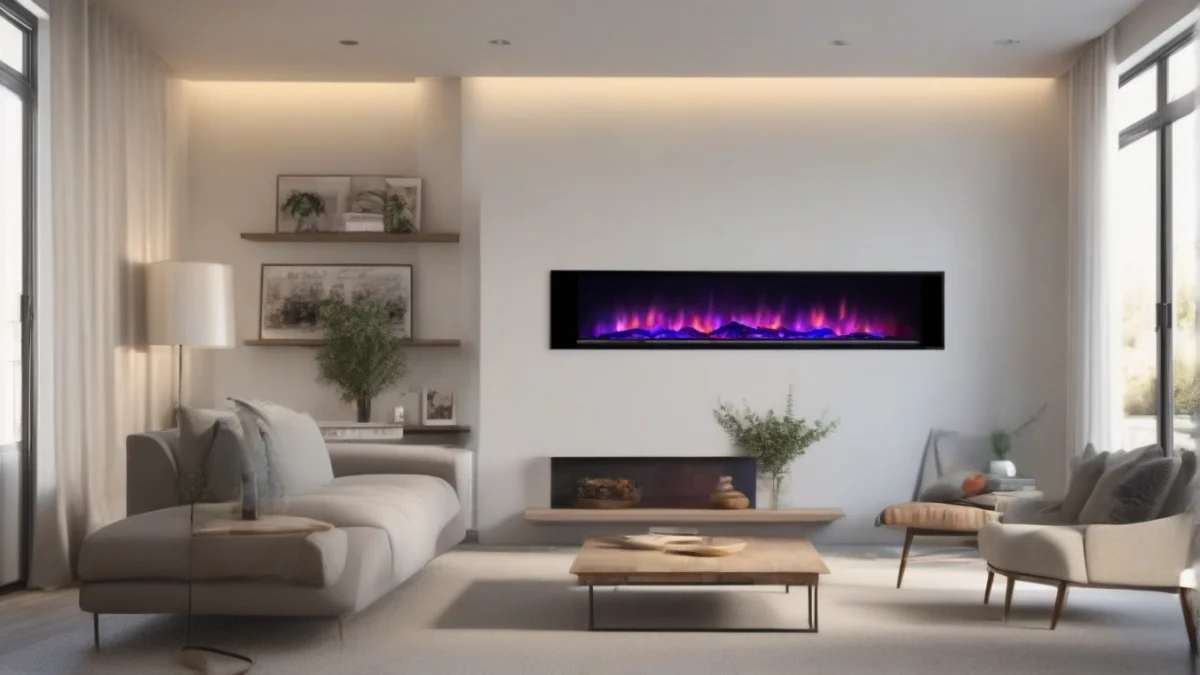
Ceiling height affects how far off the floor you should mount a fireplace, but not in the way you might expect. High ceilings often invite mounting the fireplace higher for visual balance, yet the heat and viewing comfort still depend on placing the unit near the seated eye level—usually between 24 and 36 inches above the floor—because warm air rises and you want the heat where people sit, not near the ceiling.
| Room or Setup | Recommended Height Above Floor |
|---|---|
| Low ceilings (under 8 feet) | 12 to 18 inches |
| High ceilings (over 9 feet) | 18 to 24 inches, but heat aimed lower |
| Media walls with TV | Fireplace 12 to 18 inches below TV base |
| Bedrooms | Lower heights, 12 to 18 inches |
| Wider living rooms | Toward 18 to 24 inches for better heat spread |
Room size changes the ideal height because it influences both viewing angle and heat distribution. Smaller rooms benefit from lower-mounted fireplaces so heat and flame effects are closer to eye level. In larger rooms, mounting slightly higher helps the warmth spread better across a wider seating area. Remember, electric fireplaces output less heat than wood or gas, so the heat won’t travel as far—positioning matters more for comfort than with traditional fireplaces.
Furniture layout and TV placement are key to deciding mounting height. If a TV hangs above the fireplace, you want enough space between the top of the fireplace and the bottom of the TV to avoid glare and heat effects, generally 12 to 18 inches. Bedrooms or rooms with lower seating often call for lower fireplace placement to keep the flame effects and warmth visible and pleasant at sitting or lying down.
Freestanding electric fireplaces break the height rules since they sit on the floor and aren’t mounted. Their design usually accounts for necessary floor clearance and airflow, so you won’t be adjusting height but rather choosing placement to fit room flow and safety clearances.

How To Mount It Safely Without Wasting Heat
Electric fireplaces need at least 12 inches of clearance from combustible materials to prevent fire hazards. This minimum distance applies to walls, mantels, and any trim near the unit. The National Fire Protection Association (NFPA) requires this clearance to reduce heat buildup that could ignite nearby materials.
Installation often involves more than just hanging the fireplace at the right height. Hardwired models, built-ins, or those affecting wall framing and electrical circuits usually require a licensed electrician or professional installer. DIY installation risks improper wiring, insufficient support, and voiding manufacturer warranties.
Common mistakes include placing the fireplace too close to the floor or into a recess that blocks ventilation. Many electric fireplaces have vents on the bottom or sides that need unobstructed airflow. Setting a unit on a surface without legs or feet designed to raise it can block these vents, causing overheating or reduced heat output.
The recommended 36 inches of clearance in front of the fireplace ensures that heat dissipates safely and allows room for people to move without touching the hot surface. Side clearance of 18 inches applies to some models that emit heat laterally and helps protect walls, drapes, and furniture.
Height also impacts heat flow. Mounting the fireplace too low can trap heat against combustible flooring or furnishings. Too high, and heat may rise above the seating area, reducing comfort and wasting energy. The ideal height balances safe clearance with effective heat distribution and viewing comfort.
If your installation involves modifying wall framing, running new electrical circuits, or mounting above large furniture or electronics, stop and hire a licensed installer. Mistakes here risk fire, electrical shock, or costly damage.
Ignoring these safety rules risks home damage and can void the fireplace’s UL or ETL certification, which may affect insurance coverage after a fire.
You can find model-specific clearance requirements in the installation manual, which always override general guidelines. Follow those precisely to keep your electric fireplace safe and efficient.
Proper mounting height and clearance also maximize heating efficiency. Airflow around the unit carries warm air into the room rather than letting it build up behind or below the fireplace, where it’s wasted.
In brief, maintain 12 inches from combustibles, 36 inches in front, and 18 inches on sides as your starting point. Don’t block vents; measure walls and furniture; and call in a pro for electrical or structural work to ensure safety and performance.
What To Do Instead If The Height Won’t Work
Electric fireplaces generally shouldn’t sit directly on the floor unless the manufacturer explicitly permits it. Many models require legs or a raised base to ensure proper airflow and keep combustible materials safe, typically mandating a minimum clearance of at least 12 inches from the floor. Skipping this can block ventilation and risk overheating or fire.
If mounting an electric fireplace at the ideal height clashes with your room’s layout—especially with a TV—consider relocating the TV to avoid excessive height. The safe clearance between the fireplace and the TV screen usually calls for at least 12 to 18 inches above the fireplace to prevent heat damage to the screen and to keep viewing comfortable. Raising the TV too high strains your neck and ruins the media wall balance.
When wall space doesn’t allow the correct fireplace height or clearance, a floor-standing electric fireplace or stove is a smart alternative. These units come with built-in legs and designed ventilation that meet safety standards without needing a wall mount. They offer flexible placement and don’t require you to compromise on viewing comfort or airflow.
Don’t try to improvise by stacking blocks or placing the fireplace on a random shelf to meet clearance rules. Always follow the manual’s minimum base height and ventilation instructions. Manufacturers design these requirements based on testing that ensures safe operation and heat distribution.
If you need to rearrange furniture or media components to fit the ideal fireplace height and clearances, do it. Shifting the seating area so the fireplace and TV share a comfortable eye level can improve both safety and enjoyment. The bottom line is that safe installation means not forcing the unit into a spot that breaks clearance or ventilation rules.
Frequently Asked Questions
What is the minimum safe distance from the floor for an electric fireplace?
Can electric fireplaces be installed directly on the floor?
How high should a TV be mounted above an electric fireplace?
Should electric fireplaces be installed by professionals?

I am a mechanical engineer and love doing research on different home and outdoor heating options. When I am not working, I love spending time with my family and friends. I also enjoy blogging about my findings and helping others to find the best heating options for their needs.
Related guides

ROVSUN 32 Electric Fireplace: A Cozy Upgrade for Your Home
Ignite your space with the ROVSUN 32 Electric Fireplace! Find out how this stylish heater combines warmth and…
VOLTORB Electric Fireplace: Cozy Heat with Remote Control Ease
Cozy up with the VOLTORB Freestanding Electric Fireplace Heater! Find out how it combines style and warmth for…
Transform Your Living Room with Cozy Fireplace Storage
Imagine curling up with your favorite show, fireplace aglow, and clutter out of sight. Create your perfect cozy…
