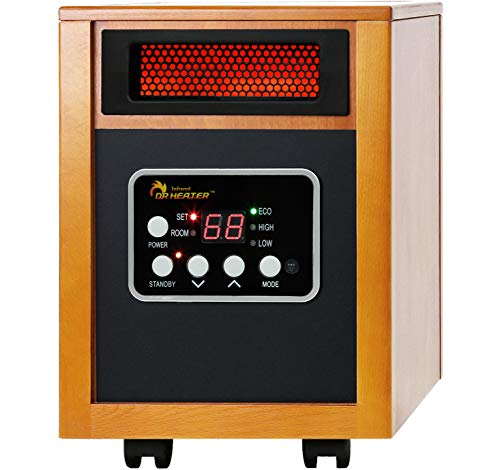
Half of the story is true: efficient heaters do cost less to run. The other half is just as important — a small heater in a drafty room can run all night and still lose the fight.
For this article, assume 17 cents per kWh for electric heat and realistic fuel prices for propane, kerosene and diesel where they matter. The numbers are simple enough to check on the back of an envelope, which is where heater bills usually start to misbehave.
2 kw heater energy consumption for water heating
A 2 kW electric heater uses 2,000 watts, so at 17 cents per kWh it costs about 34 cents an hour or roughly $2.72 for eight hours of continuous use. The calculation is 2,000 watts ÷ 1,000 × 1 hour × $0.17, whether heating a room or powering a small immersion element in a water heater.

The figure climbs fast when the heater runs all day. Eight hours a night for a month is 480 kWh, or around $81.60 at that same rate. A 1,500 W heater — the highest wattage a standard US outlet can handle safely — would cost about $61.20 over the same period. The gap matters if you’re heating a drafty garage six nights a week, less so if you’re taking the chill off a bathroom for twenty minutes before a shower.
| Heater | Watts | Per hour | Per day (8 h) | Per month (30 days) |
|---|---|---|---|---|
| 2,000 W electric heater | 2,000 W | 34¢ | $2.72 | $81.60 |
| 1,500 W space heater | 1,500 W | 26¢ | $2.04 | $61.20 |
| Oil-filled radiator (1,500 W) | 1,500 W | 26¢ | $2.04 | $61.20 |
Electric resistance heat converts every watt to heat with near-perfect efficiency, so a cheap heater and an expensive one cost the same to run at the same wattage. The question isn’t which heater is efficient — they all are — but whether you need 2,000 watts in the first place. A well-insulated 150-square-foot bedroom might stay comfortable with half that, cutting the bill in half.
How Different Heater Types Compare
Electric resistance heaters, heat pumps, propane, kerosene and diesel all heat a room, but the fuel cost and the way each delivers heat send the bill in different directions. A 1,500 W electric heater costs about $2.04 for eight hours at 17 cents per kWh. A propane heater burning 0.1 gallons an hour costs $2.40 at $3.00 a gallon, while a kerosene heater at the same burn rate runs about $2.32 if kerosene is $2.90 a gallon.
| Heater type | Typical fuel use | Cost per 8 hours |
|---|---|---|
| 1,500 W electric | 12 kWh | Cost based on 1,500 W running 8 hours at 17 cents per kWh |
| Propane (10,000 BTU/h) | 0.8 gal | Cost based on 1,500 W running 8 hours at 20 cents per kWh |
| Kerosene (10,000 BTU/h) | 0.8 gal | Cost based on 1,500 W running 8 hours at 18 cents per kWh |
| Diesel heater (8 kW) | 0.7 gal | Cost based on 1,500 W running 8 hours at 21 cents per kWh |
| Mini-split heat pump | 4–6 kWh | Estimated cost range for 8 hours at 8 to 12 cents per kWh |
Heat pumps transfer heat rather than create it, so they typically deliver two to four times the heat output per watt compared to electric resistance heaters. Their efficiency drops when the outdoor coil frosts or temperatures fall below 20°F, and airflow restrictions from a dirty condenser or clogged filter force the compressor to work harder, reducing efficiency further.
Fuel-burning heaters burn gallons, not kilowatt-hours, so the math is burn rate × hours × fuel price. A propane heater rated at 10,000 BTU per hour burns about 0.1 gallons an hour, since a gallon of propane holds roughly 91,500 BTU. Kerosene packs about 135,000 BTU per gallon, so a 10,000 BTU kerosene heater sips about 0.074 gallons an hour. Diesel heaters, common in RVs and work vans, vent exhaust outside the cabin and burn 0.05 to 0.1 gallons an hour depending on output.

How Long A 20 Lb Tank Lasts
On a 10,000 BTU burner setting, a standard 20 lb propane tank runs for about 18 hours before it’s empty. Drop that burner down to 4,000 BTU and you’ll stretch the same tank past 45 hours. Propane tanks hold roughly 4.7 gallons when full, which gives you about 430,000 BTU to work with—divide that by your burner rate and you know how many hours you’ve got.
Cost per hour depends on what you pay for propane. Say it’s $3.50 per gallon: 10,000 BTU burns about 0.11 gallons an hour, so you’re spending around 39 cents an hour. Run it eight hours overnight and that’s $3.12, compared to $2.04 for a 1,500 W plug-in heater at typical electric rates. Propane starts to make sense when you don’t have an outlet nearby or you need more than 5,000 BTU, which is the practical ceiling for plug-in models.
Ways To Cut Heating Costs Fast
Turning the thermostat down by three or four degrees cuts more than any other single change—about 10% off the bill for every three degrees, because the system cycles less and you’re paying to hold a smaller temperature difference against the outdoors. Shorten runtime next: eight hours instead of twelve saves a third of the fuel right there, and you’ll notice the difference in the bill before you notice it in the room if you’re heating only when you’re actually using the space.
Close doors to unused bedrooms and turn off vents or baseboards in those rooms so you’re not paying to heat square footage no one enters. Seal drafts around windows, doors and outlets with weatherstripping or foam gaskets—moving air is expensive air. For central systems, change the furnace filter every month or two and clean the outdoor condenser coils on a heat pump once a season; a clogged filter can add 15% to runtime. Smart thermostats cut energy bills by 8% through setback schedules you’d forget to do by hand.
Swap out the wrong heater type for the right one when the mismatch is obvious: if you’re running a 1,500 W convection heater all night in a bedroom, an oil portable heater with a thermostat will cycle and cost less. If you’re heating one person at a desk, a 400 W radiant panel aimed at your legs costs a quarter as much as heating the whole room. Plug-in electric heaters go straight into a wall outlet, never an extension cord or power strip, and keep three feet of clearance on all sides. Don’t leave them running while you sleep or leave the house unless the model’s manual says it’s designed for unattended use.
Which Low-Cost Option Fits Your Space
Electric resistance heat makes sense for short, targeted warming—an hour or two in a bedroom, a bathroom while you shower, a workshop while you work. Run it longer than that and the meter spins faster than most fuel options. If the room already has acceptable heat from a central system, a programmable thermostat or plug-in timer cuts the bill without adding a heater at all. Fuel-burning options like propane or kerosene deliver more BTU per dollar, but only where venting and local code allow them, and only when you need sustained heat in a large or poorly insulated space.
For electrical heater energy consumption, a plug-in energy meter shows the real draw and helps you spot a unit pulling more than its rating suggests. Ceramic-element models and oil-filled radiators both run on standard resistance circuits, so their consumption matches their wattage; a ceramic block for heating draws the same 1,500 W as a coil or quartz unit at the same setting. What changes cost is how often the thermostat cycles, not the element type. Most energy-efficient electric heaters lists models with tighter thermostats and lower standby draw.
More Questions, Answered
How much does a 2 kW heater cost to run for one hour?
Is a ceramic heater cheaper to run than other electric heaters?
How long will a 20 lb propane tank last with a space heater?
Why does a dirty condenser raise energy consumption?
What is the cheapest way to heat one room in winter?

HeaterGuides covers home heating, water heating and HVAC: how the equipment works, what it costs to run, and how to use it safely.