

Oil portable heaters typically consume between 1,500 to 2,500 watts, translating to approximately 1.5 to 2.5 kWh per hour of operation.
Oil portable heaters provide efficient heating by using electricity to warm internal oil reservoirs. These heaters typically consume 1.5-3 kW per hour, with average models running at 1,500 watts. Understanding their energy consumption helps homeowners make informed heating decisions.
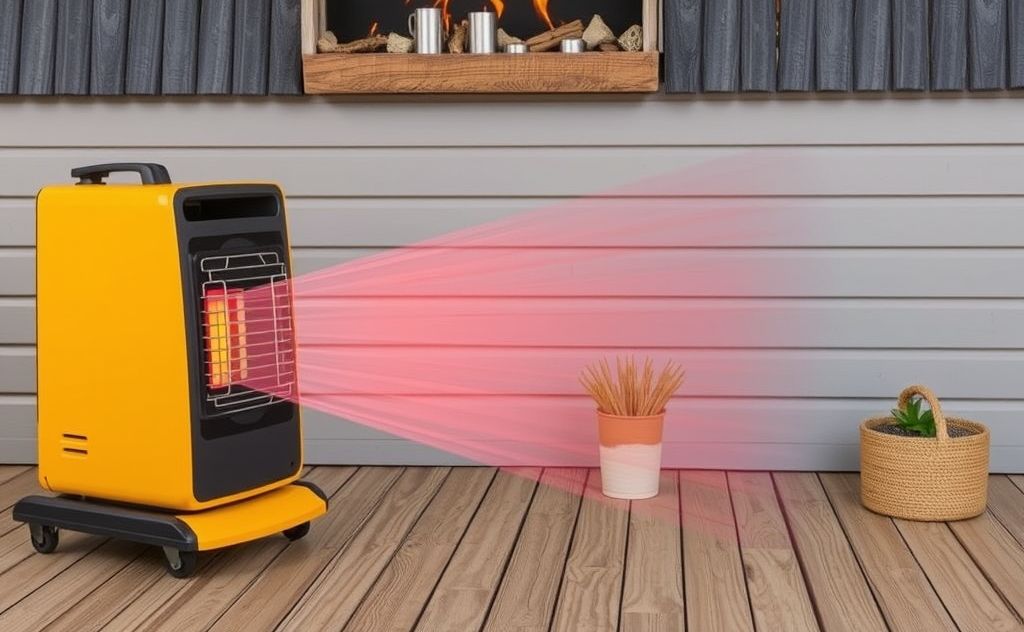
How Oil Heaters Work
Oil-filled radiators contain diathermic oil that retains heat exceptionally well. When powered on, electricity heats the oil, which then radiates warmth through metal fins. The oil stays hot long after turning off the unit, providing residual heat without continuous energy use.
Key Components
- Thermostat for temperature control
- Multiple heat settings (typically 600W/900W/1500W)
- Oil-filled metal columns
- Safety shut-off features
Energy Consumption Factors
| Factor | Impact on Energy Use |
|---|---|
| Wattage | Higher wattage = faster heating but more energy |
| Room Size | Larger spaces require longer run times |
| Insulation | Poor insulation increases heat loss |
| Thermostat Setting | Lower settings use less energy |
Cost Calculation Example
A 1,500W heater running 8 hours daily at $0.10/kWh costs:
- 1.5 kW x 8 hours = 12 kWh daily
- 12 kWh x $0.10 = $1.20 daily
- $1.20 x 30 days = $36 monthly
Comparison to Other Heaters
Fan Heaters
According to Kiplinger research, fan heaters cost about twice as much to operate as oil heaters for equivalent heating. They provide instant warmth but lose heat immediately when turned off.
Ceramic Heaters
These heat up quickly but lack the residual warmth of oil heaters. They’re better for short bursts of heat rather than continuous use.
Central Heating
Whole-home systems are more efficient for large spaces but less cost-effective for heating single rooms. The built-in gas heater offers whole-home solutions with different efficiency profiles.
Energy-Saving Tips
Optimal Placement
Position your oil heater near seating areas but away from drafts. Avoid corners where heat can become trapped.
Smart Thermostat Use
Set temperatures between 18-21°C (64-70°F) for comfort without waste. Each degree higher increases energy use by about 10%.
Complementary Heating
Combine with decorative electric heaters for ambiance while the oil heater handles primary heating.
Health and Safety Considerations
Unlike fan heaters, oil radiators don’t dry out air as dramatically. The EPA notes that proper humidity levels (30-50%) reduce respiratory issues.
Safety Features
- Tip-over protection
- Overheat shutoff
- Cool-touch surfaces
When to Choose Oil Heaters
Oil-filled radiators excel in these scenarios:
- Medium-sized rooms (10-20m²)
- Extended heating periods
- Bedrooms (quiet operation)
- Homes with children/pets
For larger spaces, consider supplementing with other heating solutions or upgrading insulation to maximize efficiency.
Related pick: Check today's price on Amazon

I am a mechanical engineer and love doing research on different home and outdoor heating options. When I am not working, I love spending time with my family and friends. I also enjoy blogging about my findings and helping others to find the best heating options for their needs.
Related guides

Optimal Temperature Settings for Oil Portable Heaters
The recommended setting temperature for oil portable heaters typically ranges between 68°F to 72°F (20°C to 22°C) for…
Eco-Friendly Alternatives to Oil Portable Heaters
Eco-friendly alternatives to oil portable heaters include electric heaters, infrared heaters, and propane heaters, which reduce emissions and…
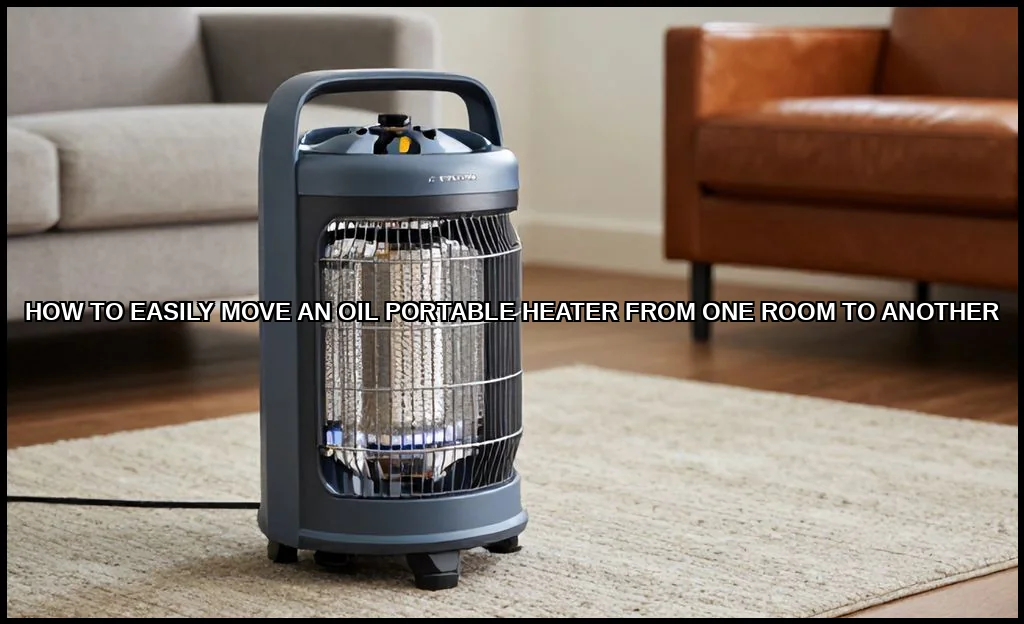
How to Move an Oil Heater Safely & Easily
Moving a portable oil heater seems straightforward. You just pick it up and go, right? Not exactly. These…