Say your uninsulated garage is 24 by 24 feet, and you want to keep it comfortable without heating the whole neighborhood. Radiant heat warms the surfaces and people directly, meaning you feel warm faster and can keep the air cooler overall. This approach changes how you think about heating efficiency and comfort.
We’ll explain how radiant heat works, what it means for your energy bills and comfort, and how to decide if it fits your rooms and budget.
What Radiant Heat Means and How It Works
Radiant heat warms objects and people directly through infrared radiation rather than heating the air first. This method uses electromagnetic waves to transfer thermal energy, creating comfort even when the air temperature is lower than with traditional forced air heating.

Radiant heat works by emitting infrared waves that travel through the air without warming it, then get absorbed by surfaces and bodies in the room. These warmed surfaces then release heat by conduction and convection to the surrounding air, gradually raising the overall temperature.
Unlike convection-based heating systems that rely on blowing warm air through ducts or fans, radiant heat bypasses air currents. This means less temperature stratification—warmer air rising and cooler air settling near the floor—and a more even thermal comfort at lower thermostat settings.
Infrared radiation is the invisible heat you feel when sunlight warms your skin on a cold day. Radiant heaters and hydronic floor systems mimic this effect by producing long-wave infrared energy that penetrates and heats objects directly.
Thermal comfort with radiant heat improves because your body absorbs warmth directly from heated floors, walls, or panels rather than waiting for air to warm up. This reduces drafts and the dry, uneven air typical of forced air systems.
| Heating Method | How It Transfers Heat | Resulting Comfort |
|---|---|---|
| Radiant Heat | Infrared radiation warms objects and people directly | Even warmth at lower air temps; less airborne dust |
| Forced Air Heating | Convection via warm air blown through ducts | Air temperature fluctuates; more drafts and stratification |
How Radiant Heat Affects Running Costs and Comfort
Radiant heaters are energy efficient, but not without some trade-offs, including installation cost and warm-up time.
Hydronic radiant floor heating runs water through PEX tubing under the floor, using a boiler or water heater. It tends to be cheaper to operate than electric radiant floors because water holds and transfers heat well, requiring less electricity or fuel. Electric systems, meanwhile, use resistance cables or mats and can cost more to run depending on local electricity rates.
| System Type | Typical Operating Cost | Notes |
|---|---|---|
| Hydronic Radiant Floor | Lower – uses gas or oil boilers efficiently, with moderate electricity for pumps | Best for whole-house or large areas |
| Electric Radiant Floor | Higher – purely electric, around 12-15 cents per kWh assumed | Good for small zones or retrofits with limited space |
Radiant heat lets you set your thermostat 4 to 5°F lower than forced air systems while staying comfortable. That reduction cuts heating energy use roughly 10% or more because your body senses heat directly from warm surfaces, not just warm air.
Comfort improves with radiant heat because it warms floors and objects evenly, reducing hot or cold spots and drafts. Less air movement also means fewer airborne allergens stirred up, which benefits allergy sufferers.
Maintenance for hydronic radiant heating usually means an annual check of the boiler or water heater, plus inspecting pumps and valves. Electric radiant floors need little upkeep but should be tested if you notice cold spots or electrical faults. With routine care, these systems often last between 25 and 35 years.
On the downside, radiant heat warms a room more slowly than forced air because the floor or panels must heat before the room feels warm. Installation costs can be high, especially in retrofits where floors must be opened or rebuilt.
If you’re considering radiant heat, factor in upfront installation and the time it takes to reach temperature. You’ll save on energy costs over time but need patience during cold mornings or when restarting after a long off period.
To control running costs and comfort effectively, pair radiant heat with programmable thermostats designed for slow thermal response. This avoids overheating and keeps your home cozy on your schedule.
In sum, radiant heat’s efficiency depends on system type and use patterns. Hydronic floors often save more energy but cost more to install. Electric floors fit smaller areas but run at higher electricity rates. Lower thermostat settings and even warmth are definite benefits, balanced against slower warm-up and upfront expense.
For more on how radiant heat works and how to pick the right system, see how radiant heaters work.

Where Radiant Heat Fits Best in Your Home
Radiant heat works best where direct, even warmth makes a big difference and installation is practical. Bathrooms, living rooms, and garages each have unique needs that radiant systems can meet, but the suitability varies with floor type, existing infrastructure, and your heating goals.

Installing radiant floor heating in a new build is straightforward: embed hydronic tubing or electric mats during construction under tile, stone, or concrete floors for efficient heat transfer. Retrofits, however, often require lifting existing floors or adding thin electric panels above subflooring, which can be costly and disruptive—expect several thousand dollars and days of work in a typical home.
Floor material compatibility matters. Tile and stone floors are ideal because they conduct and store heat well, enhancing radiant efficiency. Hardwood and laminate can work if they are engineered and installed per manufacturer guidelines to handle heat without warping. Carpets and thick rugs block radiant heat and reduce its effectiveness, so avoid those over radiant floors.
Hydronic radiant systems circulate warm water through PEX tubing, making them efficient for large areas and whole-home applications, especially where a propane wall boiler or other hydronic heat sources are already installed. Electric radiant floors suit smaller spaces or targeted areas like bathrooms and kitchens, offering quicker heat-up times but at higher operating costs.
| Room Type | Recommended System | Floor Compatibility | Notes |
|---|---|---|---|
| Bathroom | Electric radiant floor heating | Tile, stone, engineered wood | Fast warm-up, moisture-resistant |
| Living Room | Hydronic radiant floor heating | Tile, stone, hardwood | Efficient for large spaces, longer warm-up |
| Garage | Radiant wall or ceiling panels | Concrete slab | Durable, keeps cold floors comfortable |
Radiant heat can integrate with traditional HVAC by acting as a base heat source. For example, hydronic floors can handle the winter load at low temperatures, while forced air systems provide quick bursts or cooling in summer. Controls must be set to avoid overheating or conflicting thermostat signals, often requiring separate zones or smart thermostats designed for radiant systems.
Types of Radiant Heat Systems and Their Differences
Radiant heat comes in several flavors, each with distinct advantages and quirks: hydronic radiant floor heating, electric radiant floor heating, and portable radiant space heaters.
Hydronic radiant floor heating channels warm water through PEX tubing embedded in or under the floor. This system excels at delivering comfortable, even heat across large areas with a slow but steady thermal response. Because the water retains heat, the room stays warm even after the boiler cycles off. However, installation can be disruptive and costly, especially in existing homes, due to the need to lay tubing and sometimes raise the floor.
Electric radiant floor heating uses resistive heating elements or mats installed beneath the floor surface. It shares the direct warmth advantage of hydronic systems but heats up faster since electric elements respond almost instantly. This makes electric floors more suitable for retrofits or smaller areas where quick warmth is needed. The main downside is higher operating costs compared to hydronic systems fueled by natural gas or propane.
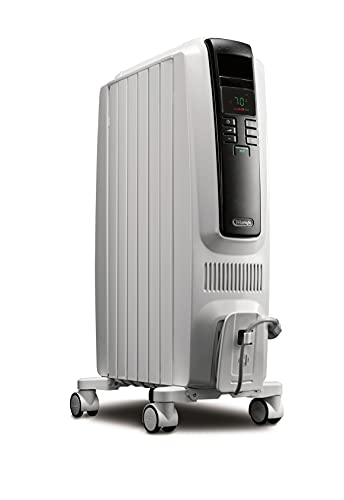
Portable radiant heaters, including quartz and oil-filled models, deliver infrared heat directly to objects and people within their beam or radius. Quartz radiant heaters use halogen or quartz tubes that emit strong infrared radiation, warming quickly but over a limited area. Oil-filled radiant heaters are electric heaters with metal fins filled with heat-retaining oil, offering silent, gentle, and longer-lasting warmth even after they switch off.
Radiant heater versus infrared heater can cause confusion. All radiant heaters emit infrared radiation, but the term infrared heater often refers specifically to portable quartz or ceramic radiant space heaters. Hydronic and electric floor systems are radiant but not called infrared heaters because they rely on conduction through the floor surface first, then radiation.
Regarding maintenance and cleanliness, radiant heater stoves (wood or pellet stoves that warm by radiation) require regular chimney inspection and ash removal to maintain clean combustion and efficient heat delivery. Portable radiant electric heaters, like oil-filled models, are generally low maintenance and stay clean if dusted regularly.
| Type | Heat Delivery | Response Time | Installation Cost | Operating Cost |
|---|---|---|---|---|
| Hydronic Radiant Floor | Warm water heats floor, then radiates heat | Slow (can take hours) | High (especially retrofit) | Lower with gas or propane |
| Electric Radiant Floor | Electric elements heat floor quickly | Fast (minutes) | Moderate (easier retrofit) | Higher (electricity cost) |
| Portable Quartz Heater | Infrared radiation heats objects directly | Very fast (seconds) | None (plug and play) | Moderate (electricity) |
| Oil-Filled Radiant Heater | Heats oil, radiates heat steadily | Moderate (minutes) | None (plug and play) | Moderate (electricity) |
Hydronic radiant floors suit whole-house or large-room installations where slow, even heat and low operating costs matter. Electric floors fit smaller rooms or retrofit jobs needing quick heat without plumbing changes. Portable radiant heaters excel at spot heating in spaces like garages, basements, or offices where central heat isn’t practical.
How to Prepare Before Buying or Installing Radiant Heat
Installing radiant heat—especially radiant floor heating—requires careful planning to avoid costly mistakes and ensure efficient performance.
For propane radiant heaters, confirm the installation location meets indoor air quality and ventilation codes. These units should never be vent-free indoors without an oxygen depletion sensor.
Radiant heat systems need annual maintenance to check for leaks in hydronic tubing or electrical faults in mats, and to calibrate thermostats for consistent comfort through the heating season.
Frequently Asked Questions
What is the main difference between radiant heat and forced air heating?
How much does it cost to install radiant floor heating in an existing home?
Are there any health risks associated with radiant heat?
Which floor materials work best with radiant heating systems?
Can radiant heat be combined with air conditioning?
How do I control the temperature in a radiant heating system?
What maintenance is required to keep radiant heat working efficiently?

I am a mechanical engineer and love doing research on different home and outdoor heating options. When I am not working, I love spending time with my family and friends. I also enjoy blogging about my findings and helping others to find the best heating options for their needs.
Related guides

15 Proven Ways to Boost Heater Energy Efficiency
You walk into your living room in January. The thermostat says 68°F, but your hands feel cold. The…
7 Powerful Benefits of High-Efficiency Heaters
You crank the thermostat. The furnace kicks on. You hear that familiar rumble, then a blast of dry,…
How Solar-Powered Heating Units Actually Work—and Where They Make Sense
A solar-powered heating unit turns sunlight into heat for small rooms, sheds or animal shelters. Find out how…