

The lights on a hot water tank indicate its operational status, with green usually meaning it’s heating water and red signaling a fault or issue.
Your water heater’s status lights provide critical information about its operation. Understanding these signals can help you diagnose problems early and prevent costly repairs or dangerous situations.

U UZOPI
U UZOPI Pool Lights, Upgraded Rechargeable Submersible…
- NEWEST Rechargeable Submersible Lights: Our LED floating pool lights come with built-in Li-polymer batteries that can be convenien…
- UPGRADED Waterproof and Adhesive: Each underwater pool light features a brand new integrated seal design, has passed the IP68 wate…
- Timer Function & Remote/Manual Control: RF remote control has a wider and deeper range, allowing for stable control of multiple un…
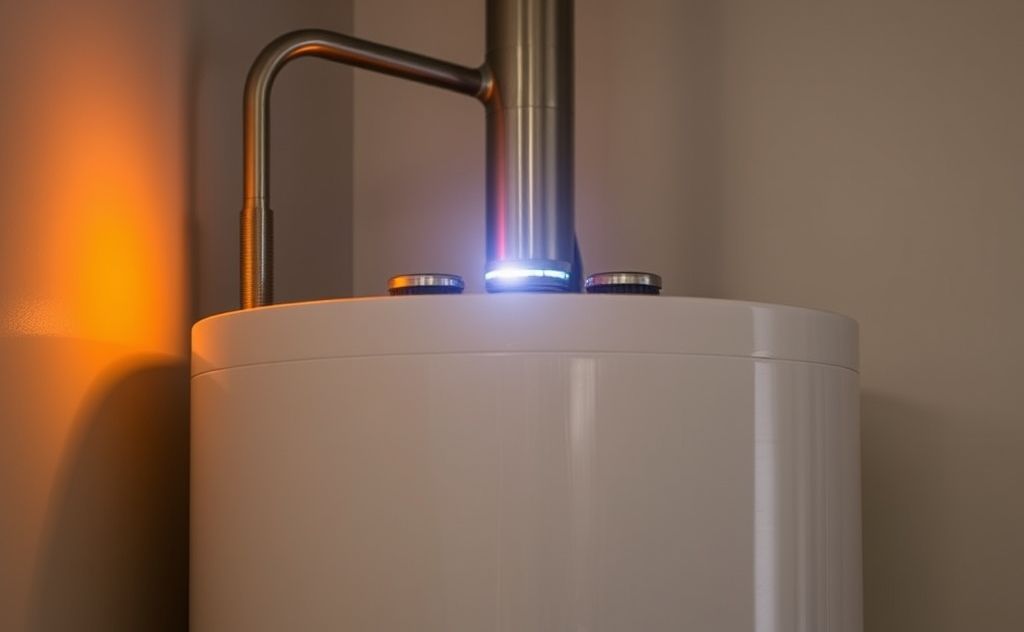
Understanding Water Heater Status Lights
Modern water heaters feature LED status lights on the gas control valve or thermostat. These lights communicate the unit’s operational status through color codes and flashing patterns.
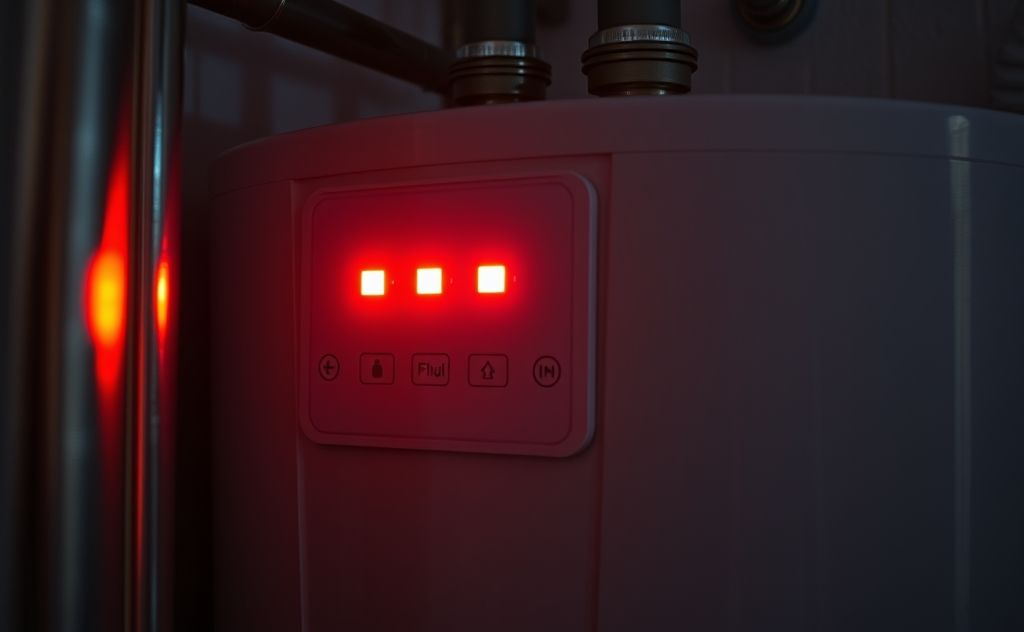
Common Light Colors and Their Meanings
| Color | Status | Action Required |
|---|---|---|
| Green/Solid | Normal operation | None |
| Red/Solid | System shutdown | Immediate professional service |
| Yellow/Flashing | Maintenance needed | Schedule service |
| White/Flashing | Pilot light issue | Check pilot or call technician |
Flashing Patterns and Error Codes
Many manufacturers use specific flash patterns to indicate problems:
- 1 flash: Thermocouple failure
- 2 flashes: High limit switch tripped
- 3 flashes: Gas supply issue
- 4 flashes: Air flow restriction
When to Call a Professional
Certain warning signs require immediate professional attention. For complex HVAC systems, consider consulting our guide on essential HVAC tools to understand what your technician might use.
Danger Signs That Need Immediate Action
- Gas odors near the unit
- Visible water leaks from the tank
- Carbon monoxide detector alarms
- Persistent red status light
Troubleshooting Common Issues
Before calling for service, check these simple solutions that might resolve your water heater problems.
No Hot Water
If your status light indicates normal operation but you have no hot water:
- Check circuit breakers
- Verify gas supply (for gas models)
- Inspect pilot light (if applicable)
Strange Noises
Popping or rumbling sounds often indicate sediment buildup. Regular flushing can prevent this issue. For other heating solutions, explore our recommendations for specialized heating pads.
Maintenance Tips to Prevent Problems
Regular maintenance can extend your water heater’s life and prevent unexpected failures.
Annual Maintenance Checklist
- Flush the tank to remove sediment
- Test pressure relief valve
- Inspect anode rod
- Check for leaks
According to Energy.gov, regular maintenance can improve efficiency by up to 15%.
When to Replace Your Water Heater
The average lifespan of a water heater is 8-12 years. Consider replacement if you experience:
- Frequent repairs
- Rust-colored water
- Inconsistent water temperature
The American Home Shield recommends proactive replacement after 10 years to avoid emergency situations.
Safety Considerations
Always prioritize safety when dealing with water heaters:
- Turn off power before servicing
- Install carbon monoxide detectors
- Keep flammable materials away
- Know your gas shutoff valve location
Related pick: Check today's price on Amazon

I am a mechanical engineer and love doing research on different home and outdoor heating options. When I am not working, I love spending time with my family and friends. I also enjoy blogging about my findings and helping others to find the best heating options for their needs.
Related guides

Is the Potable Water Line the Main Line to Electric Water Heater?
You just installed a new 40-gallon electric water heater, and the shower pressure is pathetic. Or maybe you're…
Rheem Water Heater Leaking from Bottom? Fix It Fast
You walk into the basement or utility closet and see it. A puddle of water around the base…

What Red Lights on Your Hot Water Heater Really Mean
You walk past the utility closet and catch a faint red glow coming from the water heater's control…
