Infrared heat water systems use infrared radiation to efficiently warm water, providing energy savings and enhanced comfort for heating applications.
Infrared water heating uses electromagnetic waves to directly heat water with superior efficiency. Unlike traditional methods, infrared technology eliminates common issues like corrosion and mineral buildup while providing instant hot water on demand.

Thermotex
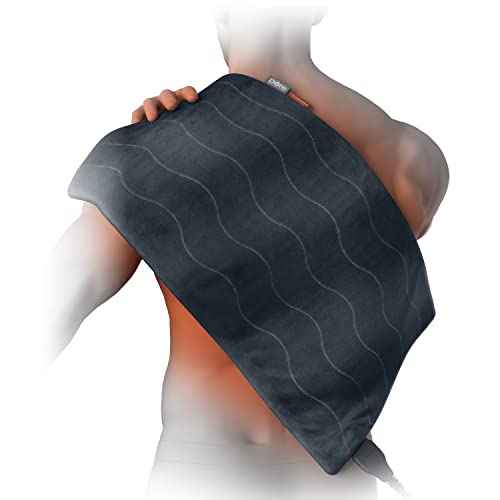
Thermotex Far Infrared Heating Pad – Gold…
- GOLD model has one single heat insert that is ideal for treating the larger muscle areas of back, hips, sit bones and hamstrings.…
- PATENTED TECHNOLOGY For 26 years Thermotex has nurtured and supported individuals through pain management and healing with science…
- TRUSTED PRODUCT Thermotex products meet integral manufacturing standards and ISO certifications for their trademarked products. Ma…

How Infrared Water Heating Works
Infrared heaters use quartz elements that emit electromagnetic waves in the medium wavelength range (2-6 microns). These waves penetrate water molecules directly, causing them to vibrate and generate heat through friction.
Key Advantages Over Conventional Heaters
- No metal-to-water contact prevents corrosion
- Quartz elements resist calcium deposits
- Self-cleaning design requires no maintenance
- 60% more energy efficient than standard electric heaters
Infrared Tankless Water Heater Applications
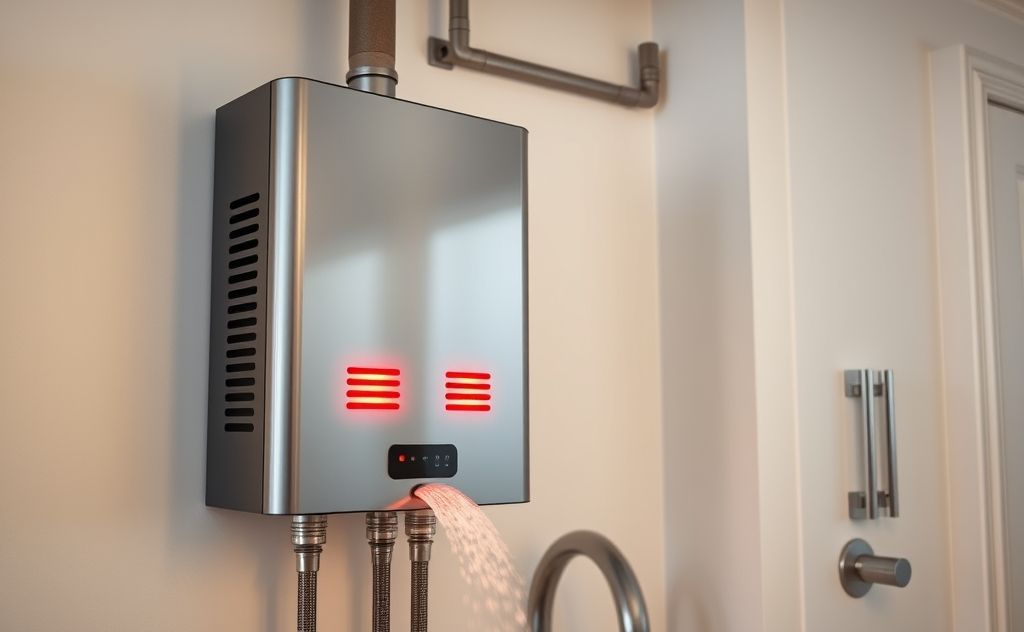
The SioGreen IR-260 demonstrates the versatility of infrared water heating:
| Application | Ideal Temperature Range | Flow Rate |
|---|---|---|
| Showers (warm climates) | 107°F output | 1.36 GPM |
| Hand washing (cool climates) | 62°F+ inlet | 0.8 GPM |
| Commercial spaces | 77°F+ inlet | 1.5 GPM |
Industrial Uses Beyond Domestic Hot Water
Infrared heating excels in industrial applications like drying waterborne coatings. Medium-wave infrared emitters dry water-based paints 30% faster than conventional methods by directly targeting water molecules.
Infrared vs. Traditional Water Heating
Energy Efficiency
Infrared systems convert nearly 100% of electricity into usable heat with minimal standby losses. Traditional tank heaters lose 10-20% of energy through standby heat loss.
Health Benefits
By avoiding metal heating elements, infrared heaters prevent:
- Bacterial growth in tanks
- Heavy metal leaching
- Algae formation
Installation Considerations
Infrared water heaters like the SioGreen IR-260 require:
- Standard electrical connection (lower amperage than conventional units)
- Water supply line (1/2″ typical)
- Minimum 67°F inlet temperature for optimal performance
For whole-home solutions, consider pairing with HVAC systems designed for open floor plans to maximize efficiency.
Scientific Validation of Infrared Heating
Research published in Foodborne Pathogens and Disease demonstrated infrared’s effectiveness in food safety applications. When combined with hot water treatment, infrared heating reduced Salmonella on almonds to undetectable levels.
Penetration Depth Factors
Infrared’s effectiveness depends on:
- Water turbidity
- Container material
- Waveband selection
Maintenance and Longevity
Infrared water heaters typically last 10+ years with:
- No element replacement needed
- No sacrificial anode requirements
- Automatic descaling action
For other low-maintenance heating solutions, explore ventless natural gas wall heaters as alternatives for space heating.
Future of Infrared Water Heating
Emerging applications include:
- Solar-assisted infrared systems
- Hybrid heat pump/infrared configurations
- Precision agricultural water treatment
Infrared technology continues to evolve with improved emitter designs and smart control integration, making it a compelling choice for both residential and commercial water heating needs.
Related pick: Check today's price on Amazon

I am a mechanical engineer and love doing research on different home and outdoor heating options. When I am not working, I love spending time with my family and friends. I also enjoy blogging about my findings and helping others to find the best heating options for their needs.
Related guides
Unveiling the Mystery: Finding Fuses on Reni R70 Tankless Water Heater
Quickly find the fuses on your Reni R70 tankless water heater. Learn how to locate and replace them…
Do Hot Water Blankets Really Work? The Truth Revealed
Hot water blankets work by using heated water to provide soothing warmth, enhancing comfort and relieving muscle tension…
Navien Water Heater Leaking? Here’s How to Fix It
Water leaking from a Navien heater may indicate a faulty valve, loose connections, or internal damage; immediate inspection…