Skip to content

Expert home heating guides, reviews & repairs

Heater GuidesHeaterGuides
Troubleshooting

What Red Lights on Your Hot Water Heater Really Mean

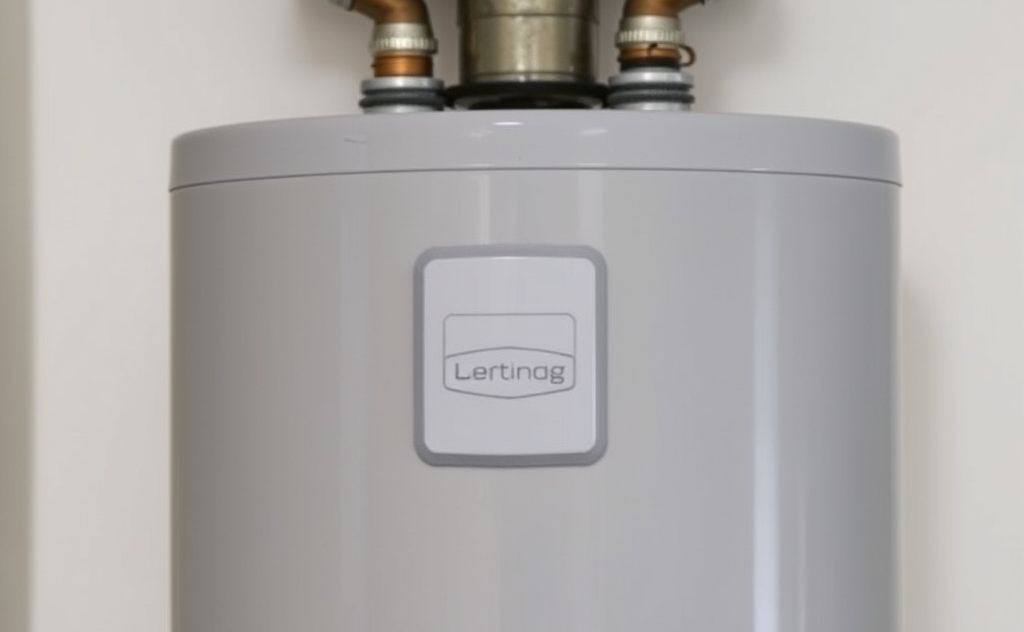
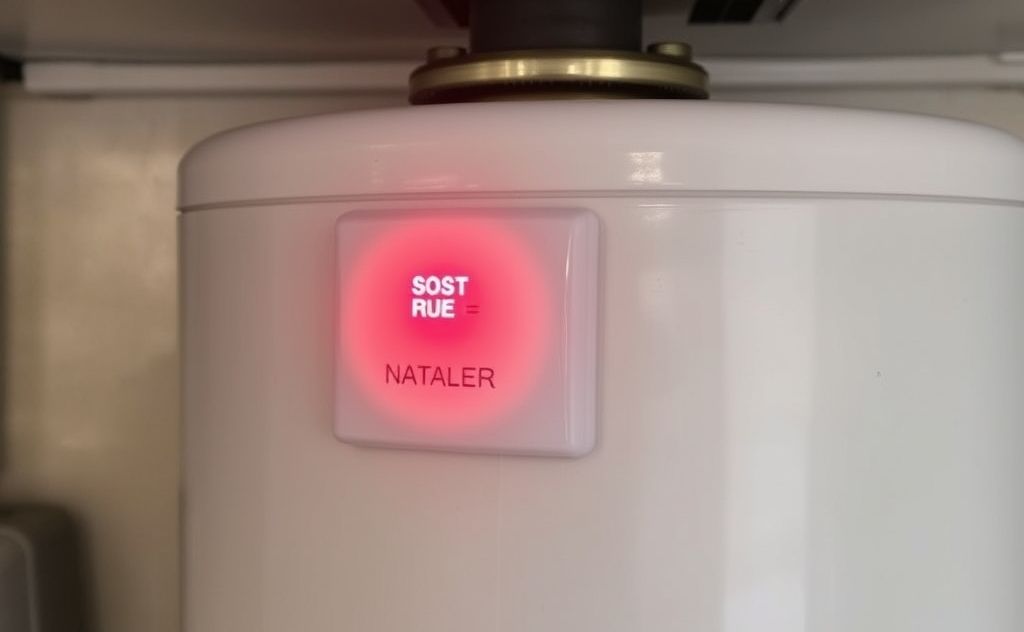
You walk past the utility closet and catch a faint red glow coming from the water heater’s control panel. It wasn’t there yesterday, or maybe it was and you just didn’t notice. Either way, that little light now sits in the back of your mind, and you’re not sure if it’s a minor quirk or a sign your tank is about to fail.

Here’s the thing: a red light on a water heater is almost never a decoration. It’s a diagnostic tool. Manufacturers use specific flash patterns to tell you exactly what’s wrong — from a failed thermocouple to an overheating tank. This article walks through what those lights mean, how to read the patterns on common brands, and what you can safely do yourself versus what needs a licensed technician.

You’ll leave this knowing how to identify the fault code, reset the system when it’s safe, and avoid the costly mistake of replacing a perfectly good heater because you misread a blinking light.

If you’re dealing with a stubborn pilot light or want a visual reference while you work, a basic water heater diagnostic guide can help you confirm what you’re seeing before you touch anything.

what red lights on your hot water heater really mean

Why Water Heaters Even Have a Red Light

Most modern gas water heaters use a standing pilot light with a thermocouple or thermopile. That’s a safety device that generates a small electrical voltage when heated by the flame. The control valve uses that voltage to keep the gas supply open. If the pilot goes out, the thermocouple cools, the voltage drops, and the valve shuts off the gas. That’s the failsafe that keeps unburned gas from filling your house.

The red light on the control panel is tied to that system. It’s not just an indicator that power is on — it’s a communication channel. The valve’s circuit board (on electronic models) or the spark igniter (on piezo models) uses the light to report status codes.

Electric water heaters are simpler. Most don’t have a status light at all, but some newer models use a red LED to signal a failed heating element, a tripped high-limit switch, or a loose thermostat sensor. If you see a red light on an electric unit, it’s almost always a hard fault, not a routine status.

The light doesn’t just turn on and stay on. It blinks in a sequence — one flash, pause, then a different number of flashes. That sequence is the fault code. You need to count the blinks carefully, because a single flash versus three flashes points to completely different problems.

One Flash: Ignition Failure or Weak Thermocouple

A single flash every few seconds usually means the pilot won’t stay lit. The control valve is trying to open the gas line, but it’s not sensing enough heat from the thermocouple. Common causes: a dirty pilot tube, a bent or corroded thermocouple tip, or a draft blowing out the flame.

Try this: turn the gas valve to OFF, wait five minutes, then remove the burner access panel. Clean the pilot orifice with compressed air or a thin wire. Check that the thermocouple tip sits directly in the pilot flame — it should be about a half-inch above the flame’s inner cone. If it’s bent away, the voltage drops and the valve shuts off.

If cleaning doesn’t fix it, the thermocouple itself is likely worn out. They cost about $10–20 and take 20 minutes to replace. That’s one of the few DIY repairs I’d recommend on a gas water heater, as long as you turn the gas off first and follow the manufacturer’s instructions.

Two Flashes: Thermopile Output Too Low

Two flashes usually means the thermopile (a larger version of the thermocouple that powers the gas control valve on electronic models) isn’t generating enough millivolts. You’ll see this on Honeywell and White-Rodgers valves. The fix is often simpler than you’d think.

Take a multimeter and measure the DC voltage across the thermopile terminals. A healthy reading is 650–850 millivolts with the pilot on. If you’re below 400, the thermopile is weak — replace it. If you’re in the 500–600 range, you might just have a loose connection. Clean the terminals and retighten them.

One thing people miss: the thermopile needs the pilot flame to be strong. If the pilot flame is yellow or lazy instead of blue and sharp, the gas pressure is low or the orifice is clogged. Fix that first, then re-measure.

Three or Four Flashes: Overheating or Failed Sensor

Three flashes on most brands means the tank temperature exceeded the safety limit — usually around 180°F. The high-limit switch tripped to prevent a steam explosion. This can happen if the thermostat fails in the closed position, or if you have hard water scale insulating the heating element (on electric units) or a blocked flue (on gas units).

Four flashes typically indicates a failed temperature sensor. That’s the thermistor that reads water temperature and sends the signal to the control board. If it’s shorted or open, the valve can’t regulate gas flow properly. This requires a replacement sensor, which is usually part of the control valve assembly on gas units — not a simple part swap.

Before you order parts, check the wiring harness. Rodents sometimes chew through the sensor wires. A broken wire gives the same fault code as a dead sensor. Visual inspection takes two minutes and can save you $80.

Brand-Specific Behavior: Not All Red Lights Are the Same

General patterns cover most units, but brand quirks matter. Rheem and Ruud use a single red light that flashes codes. A.O. Smith and Bradford White use a similar system, but the code definitions vary slightly. Some models have a green light for normal operation and red only for faults — others have red as the only status light.

For example, on many A.O. Smith units, one flash means the pilot is on and the unit is working normally. That’s the opposite of the generic code. If you see a red light that’s steady (not blinking), that often means the system is in standby — not a fault at all. The official A.O. Smith status light guide breaks down each pattern clearly.

Some older units, especially from the 1990s, have a red light that simply indicates the igniter is sparking. That light will blink rapidly for a few seconds during startup, then go out. If it keeps blinking after the pilot is lit, you have a wiring issue or a failing control module.

If you have a tankless unit, the red light is usually an error code for something specific — like a blocked vent or a failed flow sensor. Those units have a digital display on most models, but budget units still use LED codes. Check the sticker on the side of the unit for the code chart; it’s usually printed right there.

What to Do Before You Call a Plumber

You can safely perform a few checks without any special tools. First, confirm the light is actually a fault code and not just a power indicator. Look at the sticker on the control valve — it lists the flash codes. If you can’t find it, search the model number online.

Next, try a full reset. Turn the gas valve to OFF, wait ten minutes, then turn it back to PILOT. Light the pilot according to the instructions, hold the button for 30 seconds, then turn to ON. Many intermittent faults clear with a simple power cycle. This is the same thing a technician will do first, and it costs you nothing.

If the fault returns immediately, you’re looking at a hardware issue. At that point, the math changes. A service call runs $150–300 just for diagnosis. A new thermocouple is $15. A new gas control valve is $200–400. A new tank is $800–1,500 installed. Knowing which category you’re in matters.

One more thing: check your water heater’s age. If it’s over 12 years old and throwing a fault on the control valve, replacing the valve is often a losing bet. The tank’s anode rod has likely degraded, and the next failure will be a leak. I’ve seen people spend $400 on a valve only to replace the whole tank six months later.

Flash Pattern Likely Cause DIY Difficulty Estimated Fix Cost
1 flash (repeating) Pilot won’t stay lit / weak thermocouple Easy — clean or replace thermocouple $10–25
2 flashes Thermopile output low / loose wiring Moderate — needs multimeter $30–60
3 flashes Overheating / tripped high-limit switch Hard — possible flue or element issue $100–400
4 flashes Failed temperature sensor / wiring fault Hard — often requires control valve replacement $200–500
Steady red (no blink) Normal standby on some brands; fault on others Check brand-specific code chart $0 if normal

Five Questions People Actually Ask

Can I just ignore the red light if the water is still hot?

You can, but you’re gambling. The fault code is telling you a safety component is stressed or failing. Even if the water works now, the system may shut down completely at a random moment. The most common case is a weak thermocouple — the pilot works fine when you’re not using hot water, but a large draw creates a draft that extinguishes it. Then you wake up to cold showers. Fix it while it’s cheap.

Why does the red light blink faster when I run hot water?

That’s not a fault — it’s the normal response to a demand for heat. The control valve opens the main gas line, and the status light often blinks faster to indicate the burner is firing. If the light goes back to a slow, steady blink after the water reaches temperature, everything is working correctly. If it stays fast and the water doesn’t heat, you have a gas pressure or burner issue.

What’s the difference between a red light and a green light on my unit?

On most modern units, green means the system is powered and the pilot is lit. Red means a fault or a warning. But some brands use red as the only status light, so a steady red is normal and a blinking red is a fault. Check your owner’s manual — the color coding isn’t universal, and assuming can lead you down a wrong diagnostic path.

Will turning the power off reset the red light?

For gas units, you need to turn the gas valve to OFF, not just the electricity. The control valve retains error codes until it sees a clean shutdown. Wait at least five minutes — that lets the thermocouple cool and the valve’s internal relay reset. For electric units, flip the circuit breaker off and on. If the light comes back immediately, the fault is active, not a stored code.

Is a red light on a water heater a fire hazard?

Not directly. The red light is an LED, not a heat source. But the fault it indicates can be a hazard. An overheating tank (three flashes) can build dangerous pressure. A gas leak from a failed valve is a real risk. If you smell gas near the unit, don’t touch anything — leave the house, call the gas company from outside. Otherwise, a red light alone isn’t dangerous, but what it represents can be.

What I’d Do Right Now If It Were My Heater

Start by counting the blinks. Time the interval between flashes and the pause. Write it down. Then pull up the code chart for your specific model — not the generic one, but the one matched to your serial number. The difference between a $15 thermocouple and a $500 control valve is just a few seconds of careful observation.

If the light is steady and your water is hot, leave it alone. Many units run with a steady red standby light for years. If the light is blinking and the water is cold, you have a real fault.

For the DIY route, the thermocouple replacement is the only job I’d recommend to a confident homeowner. Anything involving the gas valve, the burner assembly, or the flue should get a professional. The risk of carbon monoxide poisoning or a gas explosion isn’t worth saving a hundred bucks.

Before you spend money on any repair, confirm the unit’s age. Check the manufacturer date on the serial number plate. If it’s past 10 years, start budgeting for a replacement. A repair might extend its life a year or two, but it’s a temporary fix.

If you’re still unsure what your specific light pattern means, this red blinking light breakdown covers the most common scenarios in more detail.

And if you’re seeing red water from the tap along with the light, that’s a separate issue — likely a corroded anode rod or rusting tank. That combination usually means the tank is nearing the end of its life. Don’t put a new control valve on a tank that’s leaking rust into your water.

One last tip: take a photo of the light pattern with your phone before you do anything. If you call a technician, you can show them exactly what you saw. It saves a lot of back-and-forth and helps them bring the right parts on the first visit.

Most red lights are a warning, not a death sentence for your heater. A little patience and a clear head usually get you back to hot water without a major expense.

Share
Written by Joye

I am a mechanical engineer and love doing research on different home and outdoor heating options. When I am not working, I love spending time with my family and friends. I also enjoy blogging about my findings and helping others to find the best heating options for their needs.

Keep reading

Related guides

Free newsletter

Heater deals and guides, worth opening

Price drops, new guides and safety recalls. One email, only when it matters.

No spam. Unsubscribe in one click. Privacy policy.