How to Integrate Your Thermostat with Smart Home Devices
On this page 7 sections
To integrate a thermostat with other devices, use a compatible smart home hub or app, following manufacturer instructions for seamless connectivity and automation.
Connecting your thermostat to other smart devices creates a more comfortable, energy-efficient home. With the right setup, you can control temperature, humidity, and air quality automatically. This guide covers everything from basic integrations to advanced HVAC solutions.
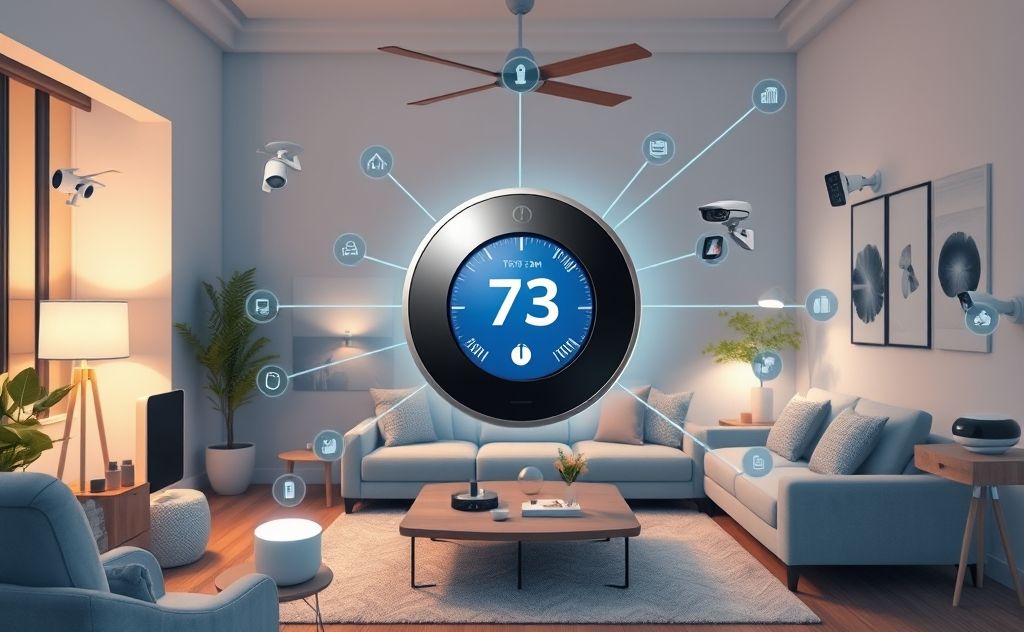
Smart Thermostat Integration Basics
Most modern thermostats connect to popular smart home platforms. This allows voice control and automation with other devices.
Popular Integration Methods
- Wi-Fi connection: Links directly to your home network
- Z-Wave: Uses mesh networking for reliable connections
- Proprietary protocols: Required for some HVAC systems
For Z-Wave devices like the Trane thermostat, proper exclusion from previous hubs is crucial before pairing.
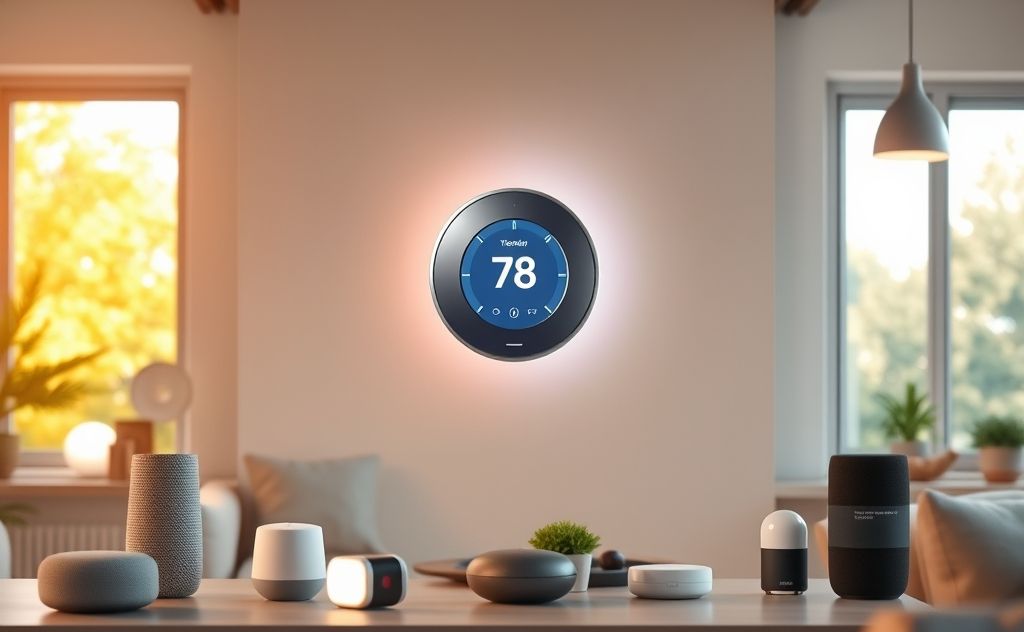
Voice Control Integration
Connect your thermostat to voice assistants for hands-free operation:
- Open the Google Home or Alexa app
- Select “Add device”
- Choose your thermostat brand
- Follow the in-app instructions
Once connected, try commands like:
“Alexa, set the living room to 72 degrees” or
“Hey Google, what’s the current temperature?”
Advanced HVAC System Integration
Variable-speed HVAC systems require special consideration. As noted in Hubitat community discussions, these systems often need manufacturer-specific thermostats to maintain full functionality.
| System Type | Thermostat Options | Smart Features |
|---|---|---|
| Standard HVAC | Any smart thermostat | Full smart capabilities |
| Communicating HVAC | Manufacturer thermostat only | Limited smart features |
| Ductless Mini-Split | Specialized controllers like Klima | Varies by model |
Working with Proprietary Systems
For systems requiring manufacturer thermostats:
- Check for Z-Wave or Wi-Fi capabilities
- Use smart vents to enhance zoning
- Add separate humidity sensors if needed
 Winter Heating Bill CutterSee what every heater in your home really costs, heat the rooms you use, and cut the waste in 30 days.Cost-per-hour tables for every heaterThermostat schedule and draft-proofing planRunning-cost and bill calculator (Excel)
Troubleshooting Integration Issues
Common problems and solutions:
Pairing Failures
For Z-Wave devices:
- Factory reset the thermostat
- Put hub in exclusion mode first
- Try pairing close to the hub
- Use generic Z-Wave driver if needed
Limited Functionality
Some systems restrict smart features. Consider:
- Adding secondary temperature sensors
- Using IFTTT for custom automations
- Integrating with a whole-home automation hub
Creating Smart Climate Zones
Combine your thermostat with other devices for perfect comfort:
Whole-Home Solutions
- Pair with smart vents for room-by-room control
- Add air purifiers for cleaner air
- Integrate humidifiers/dehumidifiers
According to HVAC experts, proper zoning can improve efficiency by up to 30%.
Special Cases: Mini-Splits and Heat Pumps
Ductless systems often need special controllers. The Klima thermostat works with most mini-split brands and offers:
- Location-based temperature adjustments
- Multi-zone coordination
- Energy usage tracking
For heat pumps, ensure your thermostat supports auxiliary heat control to prevent efficiency loss.
Future-Proofing Your Setup
Consider these when planning integrations:
- Choose open-standard protocols over proprietary ones
- Verify local control options in case internet goes down
- Check for Matter/Thread compatibility
- Ensure API access for advanced automations
Smart thermostats continue evolving. New models add features like air quality monitoring and predictive heating/cooling.
Related pick: Check price on Amazon