

Thermostats regulate room temperature by sensing the ambient temperature and activating heating or cooling systems to maintain the desired setpoint.
Thermostats are the silent guardians of indoor comfort, constantly monitoring and adjusting temperatures to maintain your preferred setting. These devices serve as the brain of your HVAC system, making split-second decisions to keep your space at the ideal temperature regardless of outdoor conditions.

ecobee
ecobee Smart Thermostat Essential - WiFi Thermostat,…
- Save up to 23% every year on heating and cooling costs, adjusts to your set schedule to save energy when you’re gone and optimize…
- Compatible with 85% of systems, check your system’s compatibility with our online ecobee Compatibility Checker on the ecobee suppo…
- Change your temperature by easily tapping the color touchscreen or using the ecobee app. Plus, free software upgrades ensure you g…
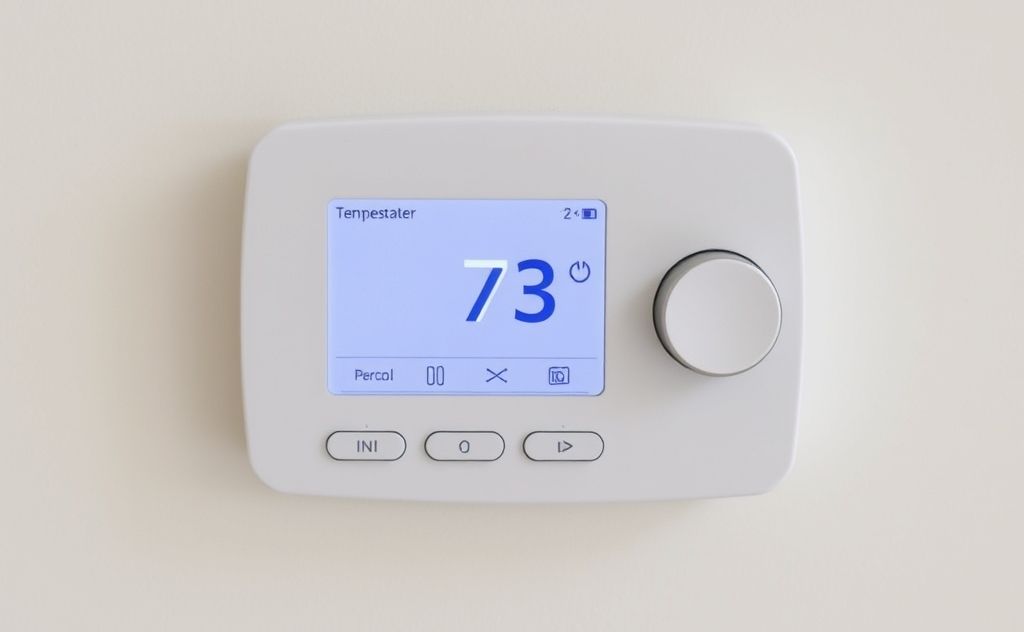
The Science Behind Thermostat Operation
Modern thermostats use advanced technology to create comfortable environments. They work by continuously comparing the current room temperature with your desired setting, then signaling your heating or cooling system to turn on or off as needed.
Temperature Sensing Mechanisms
Thermostats employ various methods to detect room temperature:
- Bimetallic strips: Two different metals expand at different rates when heated
- Electronic sensors: Thermistors or thermocouples provide precise digital readings
- Infrared technology: Some smart thermostats can sense occupant presence and body heat
The best HVAC thermostats combine multiple sensing technologies for maximum accuracy and efficiency.
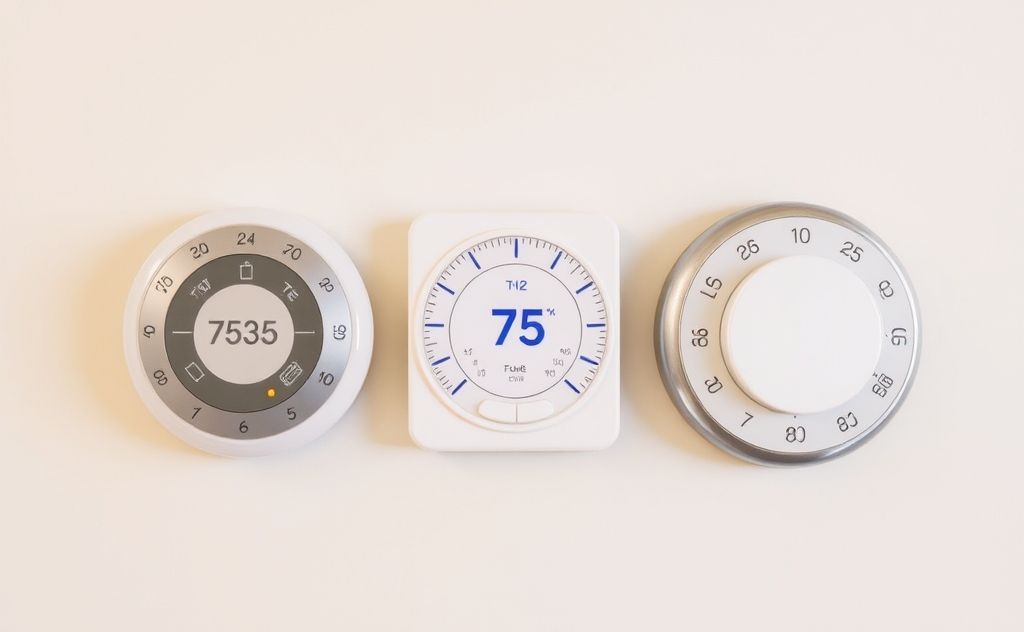
Types of Thermostats and Their Functions
Different thermostat designs offer varying levels of control and sophistication:
| Type | How It Works | Best For |
|---|---|---|
| Mechanical | Uses bimetallic strip to trigger HVAC system | Basic temperature control |
| Digital | Electronic sensors with programmable settings | Energy-conscious homeowners |
| Smart | Wi-Fi connected with learning algorithms | Automated comfort optimization |
Smart Thermostat Advancements
Modern smart thermostats like those found in our home temperature regulation guide can:
- Learn your schedule and preferences
- Adjust based on weather forecasts
- Be controlled remotely via smartphone
- Provide energy usage reports
Thermostat Placement and Calibration
Proper installation is crucial for accurate temperature regulation. The U.S. Department of Energy recommends placing thermostats:
- On interior walls away from direct sunlight
- Avoiding locations near vents or drafty areas
- At eye level (about 5 feet from the floor)
- Away from heat-producing appliances
Common Thermostat Problems
Even the best systems can experience issues. Watch for:
- Temperature discrepancies (more than 2°F difference)
- Short cycling (frequent on/off cycles)
- Unresponsive controls
- Incorrect mode switching
For complex HVAC issues, consult our HVAC tools guide or a professional technician.
Energy Efficiency and Cost Savings
Proper thermostat use can significantly reduce energy bills. The EPA estimates that proper thermostat programming can save:
- Up to 10% annually on heating and cooling
- $180 per year for the average household
- Reduced carbon footprint from lower energy use
Optimal Temperature Settings
For maximum comfort and efficiency:
| Season | Awake | Asleep/Away |
|---|---|---|
| Winter | 68°F (20°C) | 62°F (16.5°C) |
| Summer | 78°F (25.5°C) | 82°F (27.5°C) |
The Future of Temperature Regulation
Emerging technologies are transforming how we control indoor climates:
- AI-powered predictive temperature adjustment
- Occupancy-based zoning systems
- Integration with whole-home automation
- Personal comfort cloud profiles
These innovations promise even greater precision in maintaining ideal temperatures while maximizing energy efficiency.
Related pick: Check today's price on Amazon

I am a mechanical engineer and love doing research on different home and outdoor heating options. When I am not working, I love spending time with my family and friends. I also enjoy blogging about my findings and helping others to find the best heating options for their needs.
Related guides

Top 10 Must-Have Features in a Smart Thermostat
Look for features like Wi-Fi connectivity, energy usage reports, compatibility with HVAC systems, scheduling options, and smart home…

How Thermostats Impact Indoor Air Quality (And What You Can Do)
You walk into a stuffy room and immediately feel it. The air is heavy, a little warm, maybe…
Smart Thermostat Benefits: Save Energy & Boost Comfort
Smart thermostats enhance energy efficiency, reduce utility bills, provide remote control, and optimize home comfort through adaptive learning…
