

Your water heater may be whistling due to sediment buildup, overheating, or a faulty pressure relief valve, indicating a need for maintenance or inspection.
A whistling water heater is more than just annoying – it’s often a warning sign of underlying issues. This guide explains why your water heater makes these sounds and how to fix them before serious damage occurs.

XVUCRT
XVUCRT 1 Piece Travel Camping Accessories Tea…
- VERSATILE USE: This immersion water heater and portable immersion water heater works as an all-purpose travel water heater, and tr…
- SIMPLE TO USE: Easy to operate this cup heater and heating rod in just a few steps: fill your container, place the immersion heate…
- DUAL VOLTAGE CAPABILITY:This 300W portable immersion water heater supports both 120V and 240V, making this travel water heater and…
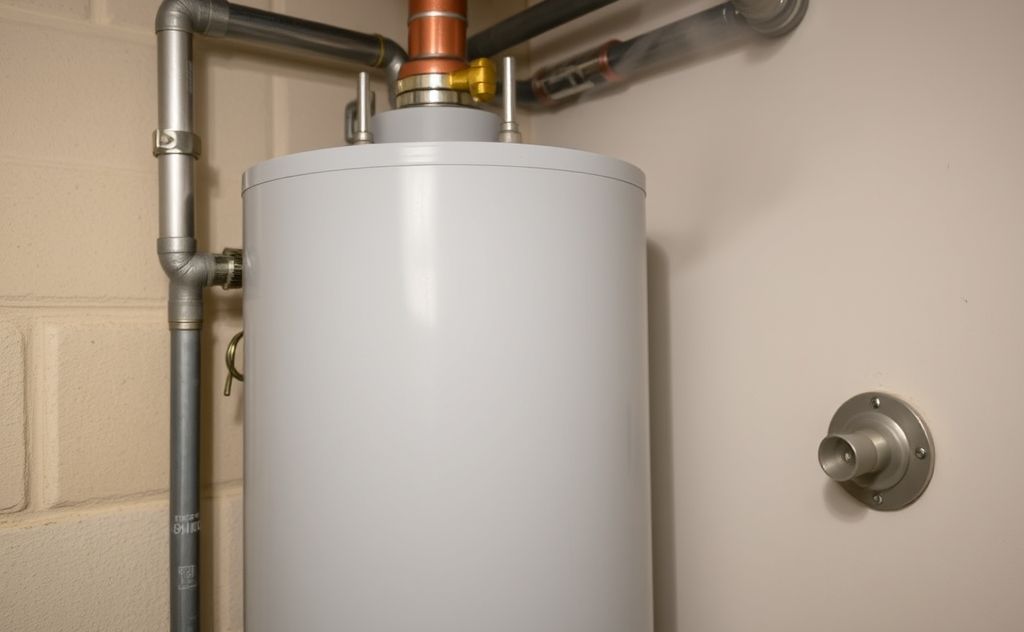
Top Reasons Your Water Heater Whistles
1. Temperature and Pressure Relief Valve (TPR Valve) Issues
The TPR valve is your water heater’s safety mechanism. When pressure exceeds 150 psi or temperature goes above 210°F, it opens with a whistling sound to prevent tank explosions.
Common causes:
- Water temperature set too high (above 140°F)
- Faulty thermostat allowing continuous heating
- Sediment buildup increasing pressure
2. Sediment Buildup in Tank
Minerals like calcium and magnesium accumulate at the tank bottom, creating a barrier between water and heating elements. This forces the heater to work harder, causing:
| Symptom | Solution |
|---|---|
| Whistling or popping sounds | Annual tank flushing |
| Reduced efficiency | Install water softener |
3. High Water Pressure
Municipal water pressure above 65 psi can overwhelm your system. Signs include:
- Whistling from multiple fixtures
- Leaking faucets
- Banging pipes (water hammer)
Install a pressure-reducing valve if your home’s pressure exceeds 80 psi.
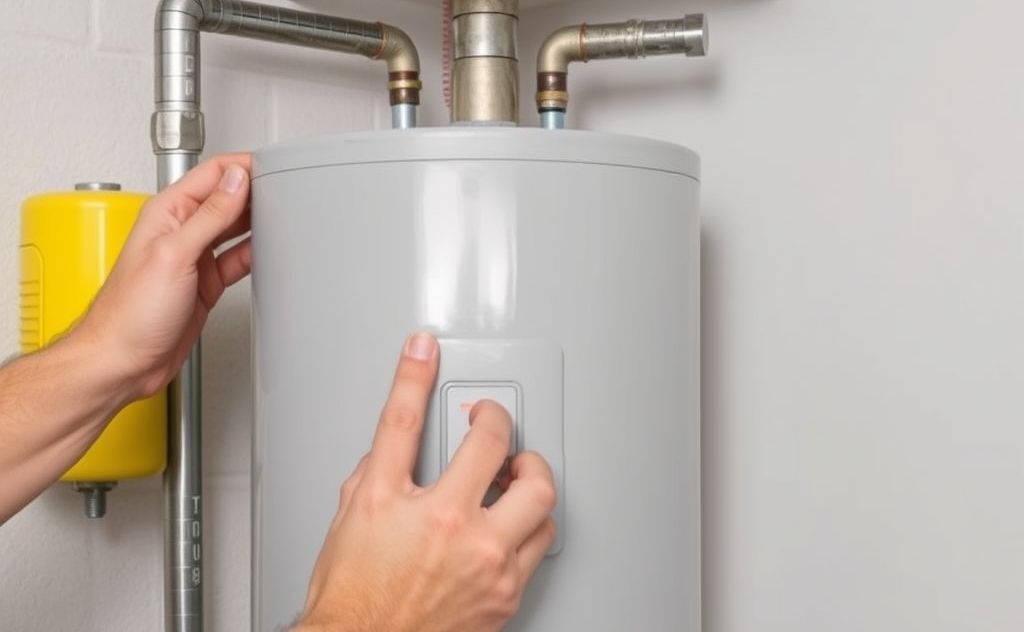
Step-by-Step Troubleshooting
Immediate Actions
- Check water temperature (should be 120-140°F)
- Inspect TPR valve for leaks
- Test home water pressure with a gauge
When to Call a Professional
Contact a plumber immediately if you notice:
- Continuous whistling after troubleshooting
- Water leaking from the TPR valve
- Discolored or smelly hot water
Preventive Maintenance Tips
Annual Water Heater Care
- Flush tank to remove sediment
- Inspect anode rod (replace every 3-5 years)
- Check for corrosion or leaks
For tankless models, consider descaling pumps to prevent mineral buildup.
When Replacement Becomes Necessary
Water heaters typically last 8-12 years. Consider upgrading if:
- Repairs exceed 50% of replacement cost
- You experience frequent breakdowns
- Energy bills increase significantly
Newer models like the SW6DEL water heater offer better efficiency and noise reduction.
Expert Insights
According to the U.S. Department of Energy, lowering your water heater temperature to 120°F can reduce pressure issues while saving 4-22% on energy costs.
For gas models, ensure proper ventilation and inspect the igniter assembly annually to prevent combustion-related noises.
Related pick: Check today's price on Amazon

I am a mechanical engineer and love doing research on different home and outdoor heating options. When I am not working, I love spending time with my family and friends. I also enjoy blogging about my findings and helping others to find the best heating options for their needs.
Related guides

Boltigen 6PCS RV Water Heater Anode Rod Kit Review
Maximize your RV's water heater lifespan with the Boltigen 6PCS Anode Rod Kit. Find out why this essential…
Can PEX Be Used Directly From an Electric Water Heater?
Yes, PEX can be used directly from an electric water heater for hot water supply, ensuring proper fittings…
Transform Your Mornings with These Top Tiger 5L Electric Water Heaters
Struggling with slow boiling times and inconsistent temperatures? Upgrade to an electric water boiler for efficient heating. An…
