Fix Common Propane Space Heater Problems Fast (Save About 12
Joye
Updated October 1, 2026 14 min read
Short answer
Most propane space heater problems start with a pilot light or thermocouple issue. Check the pilot and gas supply first to fix ignition and shutdown faults fast.
Propane space heaters can fail to ignite, shut off unexpectedly, or produce unsafe flames. Most issues stem from simple causes like a clogged pilot, faulty thermocouple, or poor ventilation.
This guide walks you through quick safety checks and detailed repairs, so you can restore heat without guesswork or unnecessary expenses.
Key takeaways
Check the pilot light and gas supply valve first when your propane heater won’t ignite.
Clean or replace the thermocouple if the heater shuts off unexpectedly after lighting.
Always ensure adequate ventilation; oxygen depletion sensors will shut the heater off in tight spaces.
Use soap and water to check for gas leaks at all hose and regulator connections.
Replace frozen or faulty regulators to restore proper gas flow in cold weather.
Fix Common Propane Space Heater Problems Fast (Save About 12
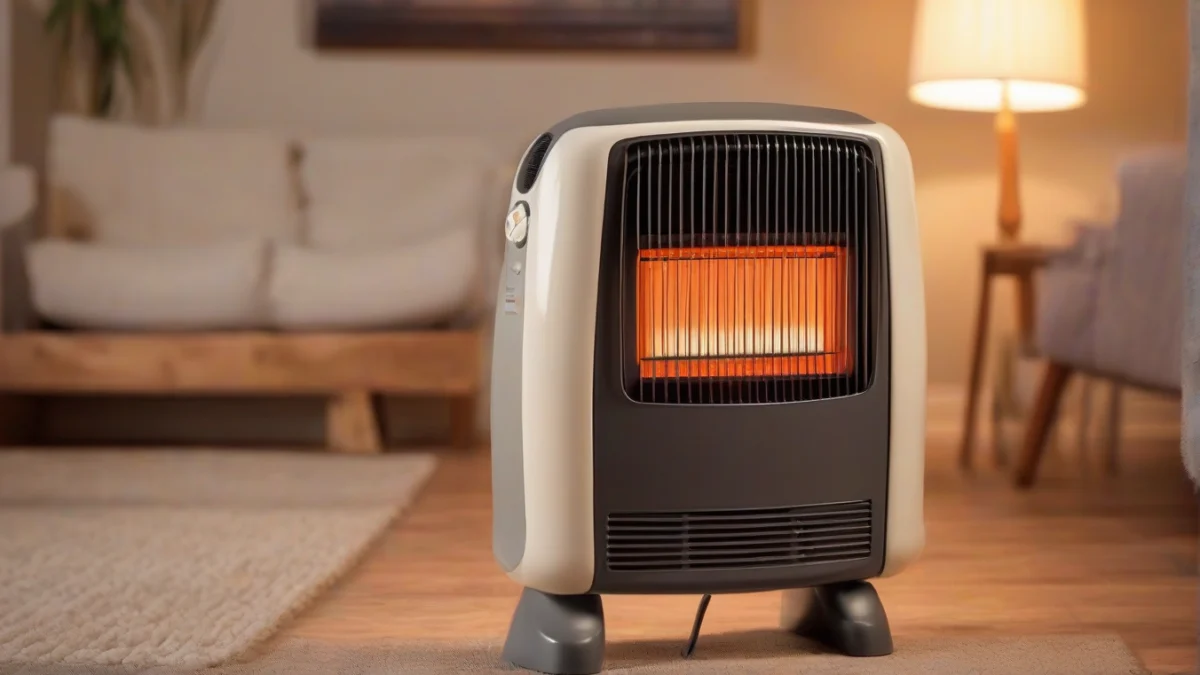
To fix common propane space heater problems fast, turn the heater off, confirm the propane supply, then check the pilot, igniter, thermocouple, and ventilation in that order. A pilot that won’t light usually has trapped air, a weak battery, low fuel, a blocked pilot opening, or a control valve problem—not a heater that automatically needs replacing.
Ensure your propane space heater is off before troubleshooting.
For troubleshooting your propane space heater, work through these checks with the control knob in the position and sequence shown in the manual. If you smell propane, hear hissing, see damaged tubing, or suspect carbon monoxide, stop troubleshooting, leave the area, and shut the propane tank valve from outside if you can do so safely.
1. Check The Propane Supply And Pilot
1
Confirm fuel and valve position
Make sure the tank isn’t empty and the propane tank valve is fully open. Low fuel can weaken pilot performance, especially in cold weather. Check the hose, connector, and regulator for obvious damage without taking the gas connection apart.
2
Purge air from the line
With the heater off, follow the manual’s lighting procedure and hold the control valve down for about 30 seconds before trying the igniter. That gives trapped air time to move out of the supply line. Never use a match unless the manual specifically permits it.
3
Check the igniter and battery
Install the specified battery with the correct polarity, then listen for a click and look for a spark at the pilot. No click or spark points to the battery, igniter, wiring, or electrode. A clicking igniter with no flame can mean the pilot opening is dirty or gas isn’t reaching it.
4
Try the control valve once
If the tank has fuel, the igniter sparks, and the pilot still won’t light, the control valve or pilot assembly may be faulty. Don’t force the knob or drill out the pilot opening; use the model’s parts list or stop and arrange service.
Useful for a low-fuel backup
Mr. Heater 9,000 BTU Portable Buddy Midnight Series Radiant Propane H…
Product 1 can run up to 5.4 hours on a 1 lb propane tank or up to 108 hours on a 20 lb cylinder with the optional Buddy hose and fuel filter, so it’s useful when your main heater’s tank or supply line is unreliable.
A pilot that lights and dies when you release the control knob usually points to the thermocouple, which senses the pilot flame and keeps the gas valve open only while the flame is proven. Turn off the heater and let it cool, then inspect the thermocouple tip for soot and wipe it gently with a dry, fine abrasive cloth; keep the tip positioned in the pilot flame as the manual shows.
If cleaning doesn’t help, replace the thermocouple only with the model-approved part, after closing the propane tank valve and disconnecting the heater from the tank. The detailed replacement procedure belongs in the next section; don’t bypass the thermocouple, because that safety device prevents unburned propane from continuing to flow.
3. Check The ODS And Ventilation
An oxygen depletion sensor, or ODS, shuts the heater down when oxygen falls too low, so a clean pilot can still go out in a poorly ventilated room. Follow the manual’s ventilation requirement, keep air openings clear, and never use an outdoor-rated patio, construction, or torpedo heater indoors. A working carbon monoxide alarm belongs in any permitted indoor setup.
Stop for a gas leak
Never test a propane leak with a flame. Close the tank valve, leave the area, and call a licensed gas technician if you find a loose or damaged connection; don’t tighten, patch, or replace gas fittings while the system is pressurized.
4. Track Noises And Cold-Weather Faults
Popping, sputtering, or an uneven flame can come from moisture in the fuel, a dirty burner, or a regulator problem. Turn the heater off, keep it dry, and check only the user-serviceable openings listed in the manual; a regulator that freezes, leaks, or continues to make abnormal noise needs qualified service rather than a heat gun or improvised cover.
Cold weather lowers propane pressure, and a nearly empty tank or undersized supply can make ignition and heating worse. Keep the cylinder upright outdoors as required by its instructions, don’t warm it with a flame, and use only the hose, filter, regulator, and tank size approved for that heater. For broader gas-appliance checks, see our gas space heater troubleshooting guide.
Model-specific matters
Mr. Buddy, Heatstar, and other propane heaters can use different pilot assemblies, batteries, hoses, and regulator arrangements. The rating plate and owner’s manual decide which part fits and whether that model is approved for indoor use; UL or CE safety labels indicate tested safety compliance, but they don’t cancel local code or the manual’s ventilation rules.
Parts and Tools for Propane Heater Repairs
Key replacements to troubleshoot common faults
Compact replacement
Mr. Heater Portable Buddy Radiant Heater
Product 1 is a sensible replacement when repeated pilot or thermocouple problems make your current heater unreliable. Its 4,000 or 9,000 BTU settings suit spaces up to 225 sq. ft., and it doesn’t need electricity for radiant heat.
Product 2 gives you a replacement option when shutdowns, ignition faults or damaged safety controls keep returning after proper troubleshooting. Its 8,000–11,000 BTU/hr radiant output and fiber mesh burner spread heat evenly, while indoor approval suits rooms where the manual’s ventilation requirements can be followed.
To safely replace a faulty thermocouple, shut off the propane tank valve, let the heater cool completely, unplug it or remove its battery, then install the exact replacement listed for your model. Never bypass the thermocouple; it closes the gas valve when the pilot flame goes out.
Use the exact replacement thermocouple for safe installation.
1
Find and inspect it
Remove the front grille or access panel as the manual directs. On most portable heaters, the thermocouple is the small metal probe sitting beside the pilot flame, connected by a thin copper tube to the control valve. A dirty or misaligned probe can look like a failed one.
2
Clean before replacing
Brush carbon from the probe tip with fine steel wool or sandpaper. Keep the pilot opening clear, and make sure the flame reaches the probe. Reassemble the panel and test the heater before buying a part.
3
Remove the old part
Close the propane tank valve and disconnect the thermocouple from the control valve with the correctly sized wrench. Unscrew the probe from its bracket or pilot assembly. Don’t pull on the copper tube or twist the valve body.
4
Install and test
Thread the replacement probe in by hand first, then snug the connection with a wrench. Refit the panel, open the tank valve slowly, and light the pilot according to the manual. Hold the control knob for the specified time; the pilot should stay lit after you release it.
Buy a model-matched replacement from the heater manufacturer, an appliance-parts supplier, or a hardware store; generic parts can have the wrong length or connection. Cost varies by model, so compare the part number rather than choosing the cheapest package. A persistent shutdown after cleaning and replacement points to the pilot assembly, control valve, or another safety fault.
Stop if you smell propane
Don’t continue testing, operate electrical switches, or create a spark. Close the tank valve if you can do so safely, leave the area, and arrange qualified gas service.
Why Your Propane Heater Keeps Shutting Off and How to Fix It
A propane heater that shuts off after a few minutes usually has restricted airflow, a tripped tip-over switch, weak batteries, low fuel, or a control that falsely detects flame loss. A propane furnace not starting needs a separate check of the thermostat, fuel supply, power, and furnace controls; don’t open its gas cabinet unless you’re qualified.
Check The Safety Devices First
The oxygen depletion sensor, or ODS, shuts the heater down when oxygen falls too low. Follow the model’s ventilation instructions, keep air openings clear, and never defeat the ODS. A draft, blocked pilot opening, or dirty pilot can also make the sensor system read the flame as lost even while you can briefly see it.
1
Reset tip-over protection
Turn the heater off, let it cool, and unplug it or remove its battery if the model uses one. Set it upright on a firm, level surface, then restart it exactly as the manual directs. A bent switch or repeated trips needs service.
2
Check power and propane
Install fresh batteries with the correct polarity, confirm the propane tank contains fuel, and make sure the tank valve and heater control valve are open as instructed. Low tank pressure can produce a weak pilot and repeated shutdowns.
3
Purge trapped air safely
With the tank valve open, hold the control valve or pilot knob for about 30 seconds before ignition, following the manual. That lets trapped air move out through the pilot path. Never loosen a propane fitting to purge a line.
For broader propane tank heater problems, stop after a few failed starts and check the manual’s fault indicators. A shutdown that returns after correct ventilation, a level heater, fresh batteries, and a full tank can mean a dirty pilot, failing sensor, restricted regulator, or control-valve fault; don’t keep cycling it or bypass a safety switch.
Safety of Using Propane Heaters Indoors
You can use a propane space heater indoors only when the exact model is approved for indoor use, the manual’s ventilation rules are followed, and a working carbon monoxide alarm is nearby. The safest indoor propane space heater is one with a clear indoor listing, an oxygen depletion sensor (ODS), and UL or CE safety labeling; an outdoor patio, torpedo, or construction heater doesn’t qualify.
An ODS monitors the oxygen level around the burner and shuts the heater down if oxygen drops too low. That safeguard doesn’t remove the need for fresh air: propane combustion can produce carbon monoxide (CO), nitrogen dioxide (NO2), and other gases. Follow the manual’s minimum opening or ventilation instructions, and never run an indoor-rated heater in a closed room, tent, vehicle, or while sleeping.
Vented Versus Unvented Heaters
A vented heater sends combustion gases outdoors through a listed flue, but the vent, clearances, and installation still need to match the manual and local code. An unvented heater releases combustion products into the room, so portable models need especially careful ventilation and are unsuitable where the manual or local rules prohibit indoor use. Massachusetts and Canada, for example, aren’t approved locations for Product 1’s indoor use.
Indoor-approved radiant heat
Mr. Heater Buddy FLEX 11,000 BTU Radiant Propane Indoor/Outdoor Space…
Product 2 suits a space where its indoor/outdoor approval, ODS-equipped design, and radiant heat for approximately 275 square feet match the manual and local code; use only its authorized attachments.
Headache, dizziness, weakness, nausea, chest pain, confusion, or unusual sleepiness can signal carbon monoxide exposure. Turn the heater off, leave for fresh air, and call emergency services; don’t re-enter until the space is declared safe.
How to Troubleshoot and Fix a Gas Smell or Leak in Your Propane Heater
Fixing propane tank heater problems starts with shutting off the propane tank valve and moving everyone away from ignition sources. If the gas smell is strong, leave immediately, don’t operate lights or switches, and call your propane supplier or emergency services from outside. Ventilate only by opening a door or window as you leave; don’t stay inside to hunt for the leak.
1
Shut down safely
Turn the heater control off and close the tank valve if you can do so without walking through a heavy gas odor. Don’t light the heater, smoke, start a vehicle nearby, or test a suspected leak with a flame.
2
Check every fitting
After the area is safe and the propane is off, brush a soap-and-water solution over the tank connection, hose ends, regulator, control-valve connection, and other fittings. Bubbles that grow indicate escaping gas.
3
Correct or replace the part
A loose fitting can be tightened with a wrench, never by hand alone, and only as the manual specifies. Replace cracked, brittle, or old hoses and faulty regulators; don’t patch them or force a damaged connection.
Tank pressure warning
A leaking pressure relief valve can indicate an overfilled tank or excessive pressure. Don’t cap, plug, adjust, or repair that valve. Close the tank valve if safe, move away, and have the cylinder handled by a qualified propane professional.
If bubbles remain after a connection is tightened, or gas returns when the valve opens, stop using the heater and arrange professional repair. A heater that passes one soap test can still have a leak inside its control valve or burner assembly.
When to Call a Licensed Technician or Replace Your Propane Heater
For gas furnace troubleshooting, gas-line work, or a propane heater that keeps failing after basic checks, call a qualified HVAC or gas technician rather than guessing. A technician should handle gas line repairs, regulator replacement, control-valve faults, and any repair that requires opening the fuel system. Gas furnace troubleshooting follows the same rule: ignition symptoms can point to unsafe venting or gas-control problems.
Stop Using It
Shut off the propane tank valve and leave the area if you smell gas repeatedly, see a yellow flame with soot, or hear hissing, whistling, or regulator noise. Don’t operate switches or relight the heater. Persistent leaks need a properly trained, licensed gas service technician; a working carbon monoxide alarm doesn’t make a leaking heater safe.
Some models let you replace batteries, clean the pilot opening, or change a listed thermocouple; others limit service to a technician. Follow the manual and use only the specified part. Repair makes sense when one isolated part failed and the heater is otherwise sound. Replace the unit when ignition or thermocouple failures keep returning, the regulator or control valve is damaged, or the repair approaches the cost of a new listed heater. Recurring faults usually mean the first repair didn’t address the cause.
Frequently Asked Questions
How do I purge air from the propane supply line?
With the propane tank valve open, press and hold the heater’s control valve for about 30 seconds before trying the igniter; that gives trapped air time to leave the line. If the pilot still won’t light after a few attempts, stop and check the tank level, regulator and model instructions instead of repeatedly releasing gas.
What are the signs of carbon monoxide poisoning from propane heaters?
Headache, dizziness, nausea, weakness, confusion and unusual sleepiness can signal carbon monoxide exposure. Turn the heater off if you can do so safely, get everyone into fresh air, call 911, and don’t reenter until responders say it’s safe.
Why does my Mr. Buddy heater fail to light?
A Mr. Buddy heater may fail to light because its batteries are weak or reversed, the tank is low, air remains in the hose, or the pilot opening is dirty. Use the lighting sequence for your exact model and never bypass the oxygen depletion sensor or hold the control valve open after the manual’s limit.
What safety certifications should I look for in a propane space heater?
Look for a recognized safety listing such as UL, ETL or CSA, plus a label that clearly states indoor or outdoor use. The listing doesn’t make an outdoor patio or construction heater safe indoors, so match the heater’s rating to the room and follow its clearance and ventilation instructions.
Can a propane heater cause uneven heating in my patio?
Yes; a patio heater warms people mainly by radiant heat, so wind, a low fuel supply, a dirty burner or poor reflector position can leave one side cold. Keep the unit level and unobstructed, clean it only as the manual allows, and move seating into the heater’s line of sight rather than enclosing the patio.
How long does a 20 lb propane tank last when running a space heater?
A full 20 lb tank contains roughly 4.7 gallons of propane, or about 430,000 BTU, so runtime is approximately 430,000 divided by the heater’s BTU-per-hour input. For example, a 10,000 BTU-per-hour heater could run about 43 hours, while a 20,000 BTU-per-hour heater could run about 21 hours; cold, regulator and tank conditions can shorten that.
Share
Written byJoye
HeaterGuides covers home heating, water heating and HVAC: how the equipment works, what it costs to run, and how to use it safely.