

You step into the shower expecting a steady stream of hot water. Instead you get a blast of cold, followed by a lukewarm trickle that forces you to speed through your routine. That scenario is frustrating, and it often points to a water heater that either can’t keep up with demand or is on its last legs.
This article walks you through the core technology behind Rheem gas water heaters, what distinguishes tankless models from traditional tanks, and how to match a unit to your home’s needs. By the end you will know exactly what to look for and how to maintain reliable hot water for years.

Rheem
Rheem RTG Series 7.0 GPM Natural Gas…
- High Performance Natural Gas Tankless Water Heater delivers endless instant hot water on demand for whole house residential use |…
- Energy Efficient Non-Condensing Gas Tankless Water Heater with 0.82 Uniform Energy Factor (UEF) saves up to 34% on energy costs vs…
- Ideal Whole House Tankless Gas Water Heater for large families and multi-bathroom homes with 2-3 water points running simultaneous…
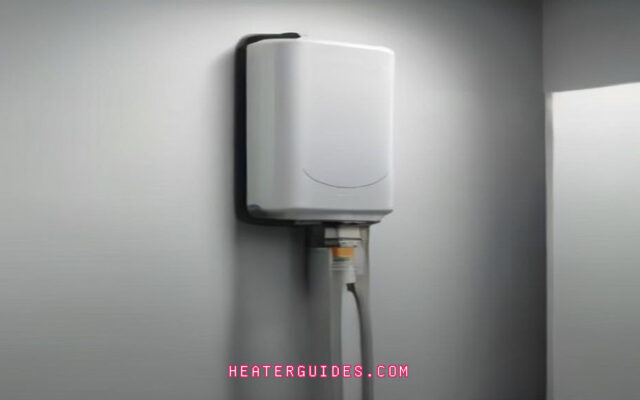
The best tankless gas water heaters from Rheem combine high-efficiency burners with intelligent flow control. One strong example is the Rheem RTG-70DVLN-3 — a 7.0 GPM, 160,000 BTU indoor natural gas unit built for 2-3 bathroom homes. It delivers hot water for multiple showers and laundry loads without the space-eating tank.
How Rheem Gas Water Heaters Actually Work
All gas water heaters rely on a burner at the bottom (tank models) or a series of burners inside a heat exchanger (tankless models). Rheem uses a spiral heat exchanger in most tankless units to maximize surface contact. Cold water enters a copper pipe, passes over the flame, and exits hot within seconds.
Traditional tank heaters hold 40 to 75 gallons of preheated water. The thermostat monitors internal temperature and fires the burner whenever the water drops below a set point. Rheem tanks use a honeycomb-shaped burner that spreads flame evenly to reduce cold spots.
Tankless units like the RTG-70DVLN-3 use a flow sensor to detect water movement. When a faucet opens, the gas valve opens and the igniter lights the burner. A modulating gas valve adjusts flame height based on the flow rate and incoming water temperature. This is why they can maintain output within 1-2 degrees Fahrenheit — far more precise than most tank heaters.
One common misconception is that tankless units produce instant hot water. They actually provide continuous hot water, but there is still a slight delay as the water travels from the unit to the fixture. Rheem includes a hot-start programming feature that briefly fires the burner before full demand to reduce that cold burst between uses.
Key Differences Between Rheem Tank and Tankless Models
Choosing between a tank and a tankless Rheem gas water heater depends on your household size, available space, and fuel type. Below is a comparison of the two approaches based on real-world performance.
| Feature | Tank (e.g., Rheem Performance Platinum) | Tankless (e.g., Rheem RTG-70DVLN-3) |
|---|---|---|
| First-hour rating / GPM | 60-75 gallons per hour | Up to 7.0 GPM continuous |
| Physical footprint | 60 inches tall, ~24 inches diameter | 28 x 18 x 10 inches, wall-mounted |
| Recovery time | 30-45 minutes for full tank | No recovery — heats on demand |
| Energy factor | 0.62 – 0.68 (standard) | 0.82 – 0.94 (high-efficiency) |
| Lifespan | 8-12 years | 15-20 years with proper maintenance |
| Installation complexity | Simple replacement of existing tank | Requires gas line upgrade, venting, and condensate drain |
| Best for | 1-2 person homes, lower budget | 3+ person homes, space savings, long-term savings |
Notice the energy factor difference. Tankless units generally save 20-30% on gas compared to a standard tank model. But the upfront cost is higher, and installation may require additional venting or a larger gas line. Rheem offers power-vented tank models for homes without a chimney, which narrows the gap slightly.
For a household of three or more, the RTG-70DVLN-3 eliminates the risk of running out of hot water during back-to-back showers. Its hot-start programming is a real benefit — I’ve seen it reduce the cold water sandwich effect that plagues many early tankless units.
Installation Considerations You Should Not Ignore
Gas water heaters — tank or tankless — are not plug-and-play appliances. Several factors can make or break your installation, especially with tankless units that demand specific gas pressure and venting.
First, check your existing gas line size. Most tankless units need a minimum of 3/4-inch pipe from the meter. Many older homes have 1/2-inch lines that will starve the burner, causing low output or flame disruption. A qualified installer can run a line sizing calculation to confirm.
Second, understand the venting requirements. The RTG-70DVLN-3 uses a power-vented system with a dedicated 3-inch PVC or ABS pipe for intake and exhaust. It cannot share a vent with any other appliance. If your installation area lacks access to an exterior wall, you may need to run the vent horizontally up to 30 feet — check the manual for your specific model.
Third, pay attention to condensate. High-efficiency condensing models produce acidic water that must drain into a neutralizer kit before going to a floor drain or sink trap. Non-condensing models like this one do not produce condensate under normal operation, but they do require a drip leg and sediment trap on the gas line.
Fourth, account for the electrical requirement. Even gas tankless units need a 120v outlet to power the control board, igniter, and fan. A standard 15-amp circuit is sufficient, but the outlet must be within reach of the unit’s power cord (typically 6 feet).
Finally, check local codes. Some jurisdictions require expansion tanks on tankless installations or forbid certain vent materials. A licensed plumber who has worked with Rheem units before will save you from costly callbacks. You can find more details about gas water heater regulations to stay compliant.
Maintenance Tips to Extend Your Rheem Water Heater’s Life
Rheem tankless units are relatively low-maintenance, but skipping annual care shortens their lifespan. Here are the three most important tasks.
- Flush the heat exchanger annually. Hard water deposits build up inside the copper coils and reduce heat transfer. Use a submersible pump, a bucket of white vinegar or descaling solution, and run it for 45 minutes. This keeps the unit at peak efficiency.
- Clean the inlet filter. The RTG-70DVLN-3 has a Y-strainer on the cold water inlet that traps debris. Remove it every six months, rinse it, and reinstall. A clogged filter reduces flow and can cause the unit to shut down intermittently.
- Inspect the vent and combustion chamber. Look for blockages, rust, or soot. Soot buildup indicates incomplete combustion — a sign that the gas valve or burner needs adjustment. Never run a unit with soot deposits; it wastes gas and may produce carbon monoxide.
For tank models, the main maintenance item is replacing the anode rod every 3-5 years. The rod attracts corrosive elements, protecting the glass-lined tank. If the rod is fully dissolved, the tank will likely leak within a year.
Frequently Asked Questions About Rheem Gas Water Heaters
How long do Rheem gas water heaters typically last?
Tank models with proper anode replacement last 8-12 years. Tankless units like the RTG-70DVLN-3 can exceed 15 years with annual descaling. The heat exchanger carries a 10- to 12-year warranty on most Rheem models.
What does the error code E0 or EC mean on my Rheem tankless unit?
Both E0 and EC indicate a communication failure between the main control board and the fan motor. This often happens when the voltage drops below 100v or the fan motor jams. Restart the unit by cycling the power. If it returns, check the fan for obstructions and test incoming voltage.
Can I install a Rheem tankless water heater outdoors?
Rheem sells specific outdoor models with a weather-resistant cabinet. The RTG-70DVLN-3 is for indoor installation only. Installing it outdoors voids the warranty and risks water ingress into the control board. Always match the model to the intended location.
Is it normal for a tankless unit to take 15 seconds to deliver hot water?
Yes. The distance from the unit to the faucet determines lag time. A recirculation pump can reduce that to under 5 seconds. Rheem offers an optional external pump kit. For the RTG-70DVLN-3, the hot-start programming reduces cold burst between closely spaced uses but does not eliminate the initial pipe cooling delay.
Can I use propane instead of natural gas on the same Rheem unit?
Not directly. Rheem builds separate models for natural gas and propane. The gas valve and orifice sizes differ. Converting requires a factory-approved conversion kit. Never swap without proper parts — doing so creates a fire hazard. For more details, read about are propane and natural gas water heaters the same to understand the differences.
Closing Takeaways
- Match the unit to your home’s peak hot water demand: tankless for 2+ simultaneous uses, tank for lower demand and smaller budgets.
- Always install a tankless unit with proper gas line sizing — 3/4-inch minimum from the meter — and dedicated 3-inch venting.
- Flush the heat exchanger of a tankless water heater every 12 months to prevent mineral scale buildup that robs efficiency.
- Replace the anode rod in a tank heater every 3-5 years; it is the single best way to prevent premature tank failure.
- Check local codes before purchasing — some areas require expansion tanks or seismic strapping that add to the total cost.
- The Rheem RTG-70DVLN-3 works well for 2-3 bathroom homes but may struggle with very cold incoming water (below 50°F) at maximum flow; verify your ground water temperature before buying.
- Hire a licensed gas fitter who has installed Rheem tankless units before to avoid common venting and gas pipe mistakes.

I am a mechanical engineer and love doing research on different home and outdoor heating options. When I am not working, I love spending time with my family and friends. I also enjoy blogging about my findings and helping others to find the best heating options for their needs.
Related guides

Troubleshooting Tankless Water Heater: Unusual Beeping at 12 Degrees
Troubleshoot and fix the beeping noise on your tankless water heater at 12 degrees. Get actionable solutions to…
How to Increase Water Pressure in Your Rinnai Tankless Water Heater
You turn on the shower, expecting the usual blast, and instead get a sad drizzle. The cold water…
Rheem Water Heater WiFi Controller: Must-Have E-Commerce Accessory!
Control your Rheem water heater remotely with this dedicated WiFi controllershop now for seamless comfort and smart home…