

Geofencing in smart thermostats uses GPS or RFID to create virtual boundaries, enabling automatic adjustments based on your location for energy efficiency.
Geofencing in smart thermostats uses your smartphone’s location to automatically adjust your home’s temperature when you leave or arrive. This technology creates a virtual boundary around your property, helping you save energy while maintaining comfort. Unlike traditional programmable thermostats, geofencing adapts to your real-time movements rather than relying on fixed schedules.

Honeywell Home
Honeywell Home T5 Smart Wi-Fi Thermostat
- High use of the scheduling feature of the T5 thermostat saved customers between 8 and 16% on heating and cooling bills. Dollar sav…
- Save Energy and Get Rewarded. Check with your energy provider about available energy savings rebates to save on your purchase. Plu…
- 7-Day Flexible Scheduling or Location Based Temperature Control. It’s your choice. 7-day scheduling programs your thermostat. Geof…
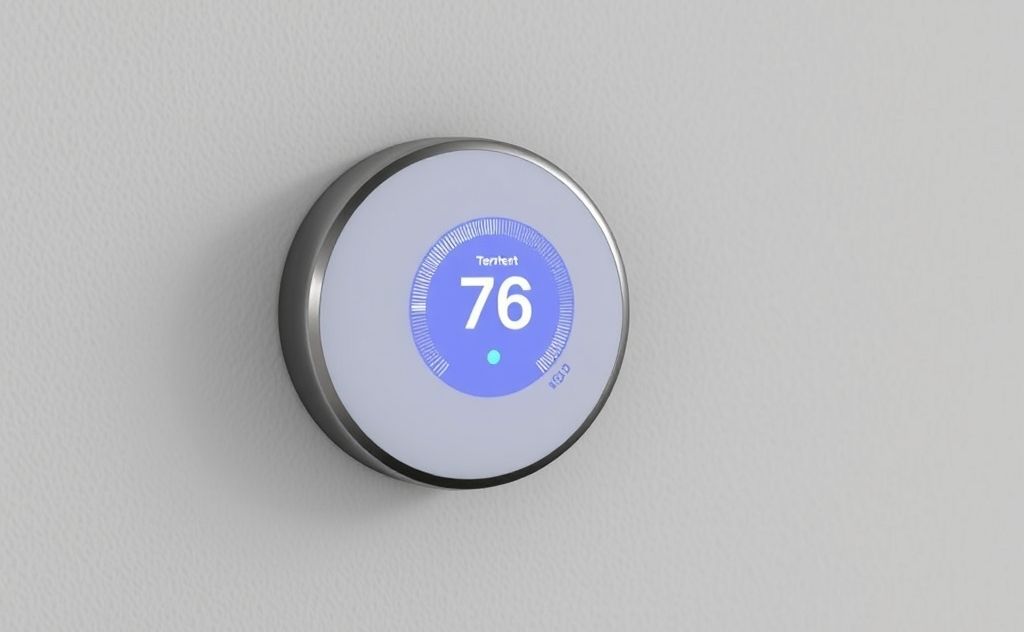
How Geofencing Technology Works
Smart thermostats with geofencing create an invisible perimeter (typically 3-5 miles) around your home. When your phone crosses this boundary, the system triggers temperature adjustments:
- Departure: Raises temperature in summer/lowers in winter when you leave
- Arrival: Returns to preferred comfort settings when you approach home
The system uses either GPS or RFID signals from your smartphone. Popular models like the Honeywell Lyric and Ecobee Smart Thermostat use proprietary algorithms to determine boundary crossings.
Customizable Geofence Radius
Most systems allow radius adjustments:
| Thermostat Model | Default Radius | Adjustment Options |
|---|---|---|
| Nest Learning | 5 miles | 1-10 mile increments |
| Ecobee Smart | 3 miles | Nearby/Close/Far presets |
| Honeywell T9 | 4 miles | 0.5 mile increments |
Key Benefits of Geofencing Thermostats
1. Automatic Energy Savings
Geofencing eliminates wasted HVAC runtime when no one’s home. According to U.S. Department of Energy, proper temperature setbacks can save 10% annually on heating and cooling.
2. Flexible Scheduling
Unlike rigid programmable thermostats, geofencing adapts to:
- Unexpected early departures
- Late work nights
- Weekend outings
3. Multi-User Support
Advanced systems like the Ecobee SmartThermostat can track multiple household members’ phones, only adjusting temperatures when everyone leaves.
Limitations to Consider
Smartphone Dependency
Geofencing requires:
- Smartphone with location services enabled
- Active data connection
- App running in background
Battery Impact
Continuous location tracking may reduce phone battery life by 15-20% according to user reports.
Top Geofencing Thermostats Compared
| Model | Price | Key Feature | Energy Savings Claim |
|---|---|---|---|
| Nest Learning | $199 | Adaptive learning | 10-12% |
| Ecobee Smart | $219 | Room sensors | Up to 26% |
| Honeywell T9 | $185 | Smart response | 8-10% |
Installation Considerations
Most geofencing thermostats require:
- C-wire for power (or adapter kit)
- 2.4GHz WiFi network
- Compatible smartphone (iOS/Android)
Professional installation typically costs $150-$300. Some utility companies offer rebates – check the Database of State Incentives for local programs.
Multi-Home Scenarios
For vacation homes or rentals, systems like Nest allow setting separate geofences for each property, automatically activating when you’re within range.
Advanced Geofencing Features
Newer models offer enhanced functionality:
- Early-On: Pre-heats/cools before arrival based on travel time
- Motion Backup: Uses occupancy sensors if phone battery dies
- Weather Adaptation: Adjusts timing based on outdoor conditions
For homes with complex HVAC needs, consider pairing with smart vents to create zone-based temperature control.
Related pick: Check today's price on Amazon

I am a mechanical engineer and love doing research on different home and outdoor heating options. When I am not working, I love spending time with my family and friends. I also enjoy blogging about my findings and helping others to find the best heating options for their needs.
Related guides

How a Thermostat Works: The Complete Guide
A thermostat is a device that regulates temperature by switching heating or cooling systems on and off based…
How Thermostats Impact Indoor Air Quality (And What You Can Do)
Thermostats regulate temperature and humidity, which can significantly influence indoor air quality by preventing mold growth and maintaining…
How Thermostats Work to Regulate Room Temperature
Thermostats regulate room temperature by sensing the ambient temperature and activating heating or cooling systems to maintain the…