

The optimal temperatures for hydronic heating under the floor typically range between 30°C to 45°C (86°F to 113°F), ensuring efficient heat distribution while maintaining comfort and energy efficiency.
Hydronic underfloor heating provides luxurious warmth, but finding the right temperature balance is key. This guide explores ideal settings for different scenarios while maximizing energy efficiency.
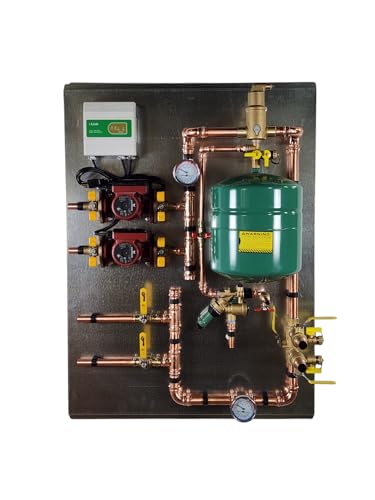
Floorheat
FloorHeat Essential Series Hydronic Radiant Heat Control…
- Direct Phone Number Required for Delivery
- Pre-Assembled for Faster Installation - Fully built and pressure-tested panel reduces install time and eliminates the need to sour…
- Complete Hydronic System Integration - Includes integrated pumps, valves, gauges, and control components needed for radiant floor…
Recommended Temperature Ranges for Hydronic Floor Heating
The optimal water temperature for hydronic floor heating systems typically ranges between:
- 85-104°F (29-40°C) – Standard comfort range for most living spaces
- 104-122°F (40-50°C) – For faster warm-up or colder climates
- Up to 140°F (60°C) – Maximum safe limit (brief periods only)
According to U.S. Department of Energy, these ranges provide efficient heat distribution while protecting flooring materials.
Factors Affecting Ideal Temperatures
Flooring Material Considerations
| Floor Type | Max Safe Temp | Optimal Range |
|---|---|---|
| Tile/Stone | 140°F (60°C) | 95-122°F (35-50°C) |
| Engineered Wood | 85°F (29°C) | 75-82°F (24-28°C) |
| Laminate | 90°F (32°C) | 80-85°F (27-29°C) |
Climate and Insulation Factors
Colder climates may require higher temperatures, especially in poorly insulated homes. Well-insulated spaces can maintain comfort at lower settings. For homes considering supplemental heating, oil-filled radiators can provide efficient zone heating.
Temperature Control Strategies
Thermostat Programming
Smart thermostats optimize hydronic systems by:
- Lowering temperatures 5-10°F when rooms are unoccupied
- Gradual warm-up before morning wake times
- Maintaining steady temperatures during occupied periods
Zoning Considerations
Different areas benefit from customized temperatures:
- Bathrooms: 85-90°F (29-32°C) for barefoot comfort
- Living Areas: 75-80°F (24-27°C) for general comfort
- Bedrooms: 70-75°F (21-24°C) for sleeping comfort
For homes using multiple heating methods, vented gas heaters can complement hydronic systems in specific zones.
Energy Efficiency Considerations
The American Society of Heating, Refrigerating and Air-Conditioning Engineers notes that every 1°F reduction in water temperature can save 1-3% in energy costs.
Efficiency Tips
- Use outdoor reset controls to automatically adjust water temperature based on weather
- Insulate pipes and heating panels to minimize heat loss
- Maintain boiler efficiency with regular servicing
- Consider condensing boilers for improved efficiency at lower temperatures
System Performance Factors
Warm-Up Times
Hydronic systems typically require:
- 2-4 hours to reach full comfort temperature from cold start
- 30-60 minutes to adjust temperature by 5°F (3°C)
Floor Surface Temperatures
While the water circulates at higher temperatures, floor surfaces should remain at comfortable levels:
- Tile floors: 75-85°F (24-29°C) surface temperature
- Wood floors: 70-80°F (21-27°C) surface temperature
Proper temperature management ensures both comfort and protection of flooring materials while maximizing system efficiency.
Related pick: Check today's price on Amazon

I am a mechanical engineer and love doing research on different home and outdoor heating options. When I am not working, I love spending time with my family and friends. I also enjoy blogging about my findings and helping others to find the best heating options for their needs.
Related guides

Hydronic Floor Heating: 7 Financial Benefits You Can’t Ignore
You have heard the promises: warm floors, silent operation, no dust blowing around. But the question that stops…

Key Factors for Choosing the Best Hydronic Underfloor Heating
You've felt it — that icy tile floor on a winter morning. Radiant hydronic underfloor heating fixes that…

How to Calculate Hydronic Floor Heating Power Requirements
You just finished insulating a basement or adding a slab to a new addition. The plan calls for…
