


Vented gas heaters make sense when you want steady heat, cleaner indoor air than a ventless unit, and a model that fits a wall or a fixed opening.
Choose by room size first, then check vent type, ignition, and whether the heater needs electric power. The wrong BTU number is the cheap mistake; the expensive one is the wrong venting.
Compare These Vented Gas Heaters
| Model | Best for | Heat output | Coverage | Power needed | Vent type | Price |
|---|---|---|---|---|---|---|
| Comfort Glow 17,000 BTU Direct Vent Natural Gas Wall Heater | Best for Most Rooms | 17,000 BTU | Up to 500 sq. ft. | No electricity | Direct vent through wall | See it on Amazon |
| Comfort Glow 25,000 BTU Direct Vent Natural Gas Wall Heater | Best for Larger Rooms | 25,000 BTU | Up to 750 sq. ft. | No electricity | Direct vent through wall | See it on Amazon |
| Ranein Natural Gas Tankless Water Heater 100,000 BTU Indoor | Best for Hot Water | 100,000 BTU | — | — | Indoor vented | See it on Amazon |
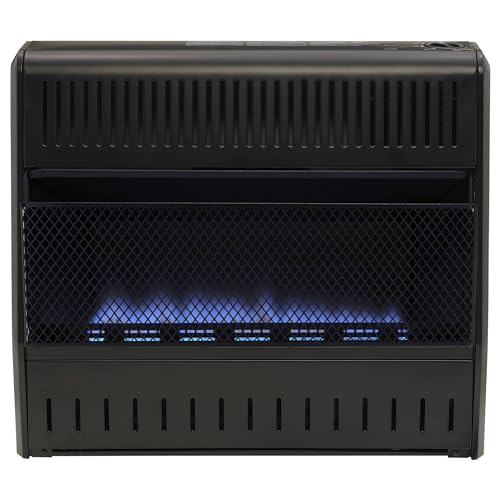
| Mr. Heater 30,000 BTU Vent Free Blue Flame Natural Gas Heater | Best Vent-Free Option | 30,000 BTU | Up to 1,000 sq. ft. | No electricity (battery ignition) | Vent-free | See it on Amazon |
| ProCom Dual Fuel Ventless Blue Flame Garage Heater 30,000 BTU | Best Dual Fuel Garage Heater | 30,000 BTU | — | No electricity | Vent-free | See it on Amazon |
The Five Best Vented Gas Heaters
Comfort Glow 17,000 BTU Direct Vent Natural Gas Wall Heater
Comfort Glow 25,000 BTU Direct Vent Natural Gas Wall Heater
Ranein Natural Gas Tankless Water Heater 100,000 BTU Indoor
Mr. Heater 30,000 BTU Vent Free Blue Flame Natural Gas Heater
ProCom Dual Fuel Ventless Blue Flame Garage Heater 30,000 BTU
How The Five Picks Break Down
The best vented gas heaters deliver safe, efficient heat with the right venting for your space. Among our picks, the Comfort Glow 17,000 BTU Direct Vent Natural Gas Wall Heater stands out as the best overall for most homes. It fits rooms up to 500 square feet, vents directly through the wall, and runs without electricity—critical when power is out.
For larger rooms, the Comfort Glow 25,000 BTU Direct Vent Natural Gas Wall Heater offers more heat output and the same direct venting setup. It suits spaces that need more warmth without sacrificing clean indoor air quality.
The ProCom Dual Fuel Ventless Blue Flame Garage Heater is a solid choice for garages or workshops that allow ventless heaters. It’s not vented, so it doesn’t belong where you need a vented gas heater. Use it only where local codes permit ventless appliances in unoccupied or semi-occupied spaces.
The Mr. Heater 30,000 BTU Vent Free Blue Flame Natural Gas Heater is the vent-free exception here. If you’re specifically looking for vented gas room heaters, this model isn’t for you. Skip it unless local regulations allow ventless units and you need indoor heat without a flue.
Some who search for gas heat want hot water instead. The Ranein Natural Gas Tankless Water Heater addresses that need. It’s not a space heater but is included for those solving winter hot water shortages with natural gas.
| Product | Best For |
|---|---|
| Comfort Glow 17,000 BTU Direct Vent Natural Gas Wall Heater | Best overall vented gas heater for most homes |
| Comfort Glow 25,000 BTU Direct Vent Natural Gas Wall Heater | Best for large rooms needing vented heat |
| ProCom Dual Fuel Ventless Blue Flame Garage Heater | Best dual-fuel garage heater (ventless, garage use only) |
| Mr. Heater 30,000 BTU Vent Free Blue Flame Natural Gas Heater | Vent-free heat only, skip if you want vented |
| Ranein Natural Gas Tankless Water Heater | Best smart controls for hot water, not space heating |
Match BTU To Room Size
The right size vented gas heater depends on your room’s square footage, insulation quality, and ceiling height, not just the biggest BTU number on the box.
Manufacturers usually list coverage claims that offer a good starting point: about 17,000 BTU heats up to 500 square feet, 25,000 BTU covers around 750 square feet, and 30,000 BTU suits spaces up to 1,000 square feet when insulation and ceiling height are typical.
Oversizing your heater tends to increase fuel consumption and run costs because a larger burner uses more gas to produce heat. It can also cause the unit to cycle on and off frequently, which wears out components faster and wastes fuel. For example, a 25,000 BTU heater uses roughly 47% more fuel than a 17,000 BTU unit if run for the same amount of time, so choosing the right size saves money on your bill.
If your space still feels cold despite the heater size, check for drafts or air leaks. Sealing these often improves comfort more than increasing heater output.
Keep ceiling height in mind, too—higher ceilings need more BTU to heat the larger volume of air. Insulation quality matters as well; a poorly insulated 500-square-foot room may require a 25,000 BTU heater instead of 17,000.
High-efficiency vented heaters deliver nearly all their rated BTU as usable heat, so the listed coverage is reliable for sizing. If you want to heat a small room, a small vented natural gas heater like the 17,000 BTU Comfort Glow model is your best bet.
Remember, tankless water heaters use BTU differently since they heat water flow, not air volume. Their BTU rating doesn’t translate directly to space heating needs but indicates how fast they can heat water.
Homes needing natural gas vented heaters should pick units sized to their room and venting setup for safety, comfort, and cost efficiency. Oversized gas heaters waste fuel and may cycle too often, while undersized units struggle to keep the space warm.
Choosing a high-efficiency vented heater helps you get the most heat for your fuel dollar, keeping your home warm with less waste.
Venting And Safety Decide The Buy
Nonvented gas heaters are not safe for most indoor spaces because they release combustion byproducts directly into the room. You need a vented heater to carry exhaust gases outside and prevent carbon monoxide buildup.
Natural gas heaters must be vented if their design calls for it. Vented heaters use sealed combustion chambers and a dedicated vent pipe to remove fumes and moisture outside. This keeps indoor air clean and safe.
Heaters labeled as vent-free or ventless burn gas indoors and rely on the room’s air for combustion. That raises carbon monoxide and moisture risks, so many states and cities restrict their use or ban them in living areas. Always check local code before buying one.
The Comfort Glow vented models (both 17,000 and 25,000 BTU) have sealed burner systems plus electronic ignition and safety pilots. These features reduce risks by keeping combustion isolated and allowing safe, reliable starts.
The Mr. Heater 30,000 BTU is battery-ignited and vent-free. It’s designed for spaces where venting isn’t possible but may not be legal or safe in all homes. The ProCom garage heater handles dual fuels but is intended for garages or workshops, not living rooms.
Every gas heater needs a working carbon monoxide alarm in the same room. Clearances to combustibles must follow the manual exactly. Never plug heaters into extension cords or power strips; always use a dedicated outlet.
Vented heaters remove harmful gases outdoors but need a suitable vent path. Nonvented heaters avoid vent pipes but increase indoor moisture and carbon monoxide. The trade-off is between installation complexity and indoor air quality risks.
Choosing the right heater means matching venting type and safety features to your room, local rules, and willingness to install or maintain vents. When in doubt, prioritize vented models for peace of mind and cleaner air.
What The Specs Actually Mean At Home
Direct-vent wall heaters are your best choice if you want a fixed gas heater that vents combustion gases outside and runs independently of your home’s electricity. They don’t rely on room air for burning fuel, which makes them safer and more reliable during power outages.
The Comfort Glow 17,000 and 25,000 BTU models fit well in bedrooms, bathrooms, HUD housing, and mobile or modular homes because their sealed combustion system and stainless steel burners keep noise low and operation simple. The larger 25,000 BTU model is better suited for bigger spaces, like open living rooms up to 750 square feet.
The sealed burn system on these Comfort Glow units means they use outside air for combustion and vent exhaust directly out, eliminating the risk of indoor air contamination. Their quiet operation makes them ideal for living areas where noise matters. In contrast, the ProCom Blue Flame Garage Heater heats the air first before circulating it, making it noisier and better suited for garages or utility spaces rather than bedrooms.
When wall space is limited, the dimensions of the heater matter as much as the BTU rating. Hallways and furnished rooms often restrict where you can install a wall-mounted unit, so check the heater’s height, width, and depth against your available clearance before buying.
One product here isn’t for heating rooms at all. The Ranein Natural Gas Tankless Water Heater (Product 4) meets winter hot water demand but won’t warm your living space. It’s a tankless water heater, not a space heater.
| Product | Best Use | Key Spec |
|---|---|---|
| Comfort Glow 17,000 BTU | Bedrooms, Bathrooms, Mobile Homes | Quiet, sealed combustion, 17,000 BTU |
| Comfort Glow 25,000 BTU | Larger Rooms up to 750 sq. ft. | Sealed combustion, 25,000 BTU |
| ProCom Garage Heater | Garages, Utility Spaces | Blue flame, vent-free, noisier |
| Ranein Tankless Water Heater | Hot Water Only | Tankless, no room heating |
What To Do Before You Order
Start by measuring your room’s square footage and noting ceiling height and insulation quality. Check your gas supply—natural gas or propane—at the meter or tank to ensure fuel compatibility. Confirm if your space requires a direct-vent heater, vent-free model, or a different heating solution altogether.
For rooms under about 500 square feet where quiet operation matters, the Comfort Glow 17,000 BTU wall heater is a solid choice. Larger rooms call for the 25,000 BTU Comfort Glow. If you need a garage heater and vent-free is allowed locally, the ProCom Blue Flame fits. For hot water, pick the Ranein tankless unit.
Verify local codes and installation requirements before buying anything that requires wall penetration or gas piping connections. Clearances to combustibles and venting must meet the manufacturer’s specifications and your jurisdiction’s rules.
Questions People Ask
Are non vented gas heaters safe?
Does a natural gas heater need to be vented?
What kind of heaters need to be vented?
What is gas vented heating?
Why do natural gas heaters need to be vented?
What is the best vented natural gas heater for a small room?
Can I use a vented propane wall heater in a bedroom?

HeaterGuides covers home heating, water heating and HVAC: how the equipment works, what it costs to run, and how to use it safely.
