Oil Filled Radiator Heaters: Efficient, Silent Heat
On this page 8 sections
Oil-filled radiators provide efficient, long-lasting heat and are silent in operation, making them ideal for consistent warmth in rooms, but they can be heavy, take longer to heat up, and may pose a risk of burns if touched when hot.
Oil filled radiator heaters provide efficient heating for homes and offices. These heaters use diathermic oil to retain heat and radiate warmth. Understanding their advantages and limitations helps you make an informed decision.
[amazon table=”70168″]
How Oil Filled Radiators Work

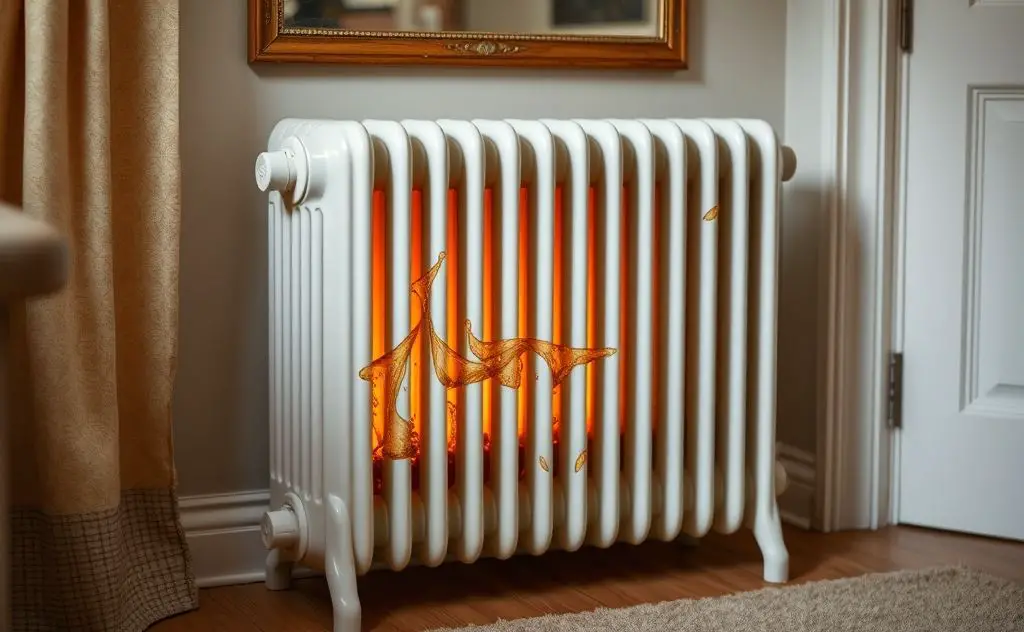
Oil filled radiators contain sealed diathermic oil that never needs replacing. An electric heating element warms the oil, which then heats the metal fins. The fins radiate heat into the room. Unlike fan heaters, oil radiators don’t blow air.
Heat Retention Technology
The oil retains heat exceptionally well. Even after turning off the unit, it continues radiating warmth. This makes them more energy efficient than other electric heaters that stop producing heat immediately when switched off.
Advantages of Oil Filled Radiators
Energy Efficiency
Oil radiators maintain consistent temperatures using less electricity. According to Kiplinger, they cost about half as much to run as fan heaters. Their ability to retain heat reduces the need for constant power.
Quiet Operation
Without fans or moving parts, oil radiators operate silently. This makes them ideal for bedrooms, offices, or nurseries where noise matters. Unlike ceramic heaters, they won’t disturb sleep or concentration.
Better Air Quality
Oil heaters don’t circulate dust or allergens. They’re excellent for people with allergies or respiratory issues. The radiant heat also prevents the dry air common with forced-air systems.
Safety Features
Modern oil radiators include:
- Tip-over switches
- Overheat protection
- Adjustable thermostats
- Cool-touch surfaces (on some models)
Disadvantages of Oil Filled Radiators
Slow Heating
Oil radiators take longer to warm up than fan heaters. They’re better for maintaining heat than providing instant warmth. Plan to turn them on 15-30 minutes before needing heat.
Heavy and Bulky
The oil makes these heaters heavier than other types. Most models weigh 15-30 pounds. While many have wheels, they’re not as portable as smaller heaters.
Surface Temperature
The metal fins get hot during operation. This poses burn risks for children and pets. Always maintain proper clearance and consider models with protective grilles.
Limited Heating Range
Oil radiators work best in small to medium rooms. For large spaces, multiple units or supplemental heating may be needed. Their radiant heat doesn’t distribute as evenly as forced-air systems.
 Winter Heating Bill CutterSee what every heater in your home really costs, heat the rooms you use, and cut the waste in 30 days.Cost-per-hour tables for every heaterThermostat schedule and draft-proofing planRunning-cost and bill calculator (Excel)
Oil Radiator vs Other Heaters
| Feature | Oil Radiator | Ceramic Heater | Infrared Heater |
|---|---|---|---|
| Heat-up Time | Slow | Fast | Instant |
| Noise Level | Silent | Moderate | Silent |
| Energy Efficiency | High | Medium | High |
| Portability | Low | High | Medium |
Maintenance and Care
Oil filled radiators require minimal maintenance. Wipe the exterior with a damp cloth to remove dust. Never open the sealed oil compartment. Store upright to prevent leaks. Check cords and plugs regularly for damage.
Troubleshooting Common Issues
If your oil filled radiator isn’t getting hot, check:
- Power connection
- Circuit breaker
- Thermostat settings
- Heating element (may need professional service)
Best Uses for Oil Filled Radiators
These heaters excel in specific situations:
- Bedrooms for nighttime heating
- Home offices where quiet matters
- Small apartments as supplemental heat
- Allergy sufferers’ rooms
- Spaces needing consistent background heat
According to NewAir, oil radiators work best when left on for extended periods rather than frequent on/off cycling.
Cost Considerations
While initial costs range $50-$250, oil radiators save money long-term. Their energy efficiency and heat retention lower operating costs compared to other electric heaters. Proper insulation maximizes these savings.
Related pick: Check price on Amazon
Pros and Cons of Oil Filled Radiator Heaters
Oil filled radiator heaters offer quiet, energy-efficient heating with good heat retention, making them excellent for maintaining steady warmth over time. They do not blow air or dust, which benefits allergy sufferers. However, they heat up slowly and are heavier and less portable than fan heaters. The hot metal surface can pose a burn risk, so caution is needed around children and pets. Their best use is for consistent background heat rather than quick warmth.
More oil-filled radiators guides on HeaterGuides.