
Choosing a gas fireplace is more than picking a heat source. It’s a major design decision that shapes a room’s entire feel. The options can feel overwhelming at first. But breaking it down into core components makes the process much clearer.
You’re balancing aesthetics, installation logistics, and performance. For instance, a stunning Real Fyre 24-Inch gas log set can be the perfect centerpiece for an existing fireplace, offering realistic flames without the hassle of wood. It’s a popular choice for a quick, beautiful upgrade. You can find this specific model here to see its features. Let’s explore the landscape of gas fireplace design so you can make an informed choice.
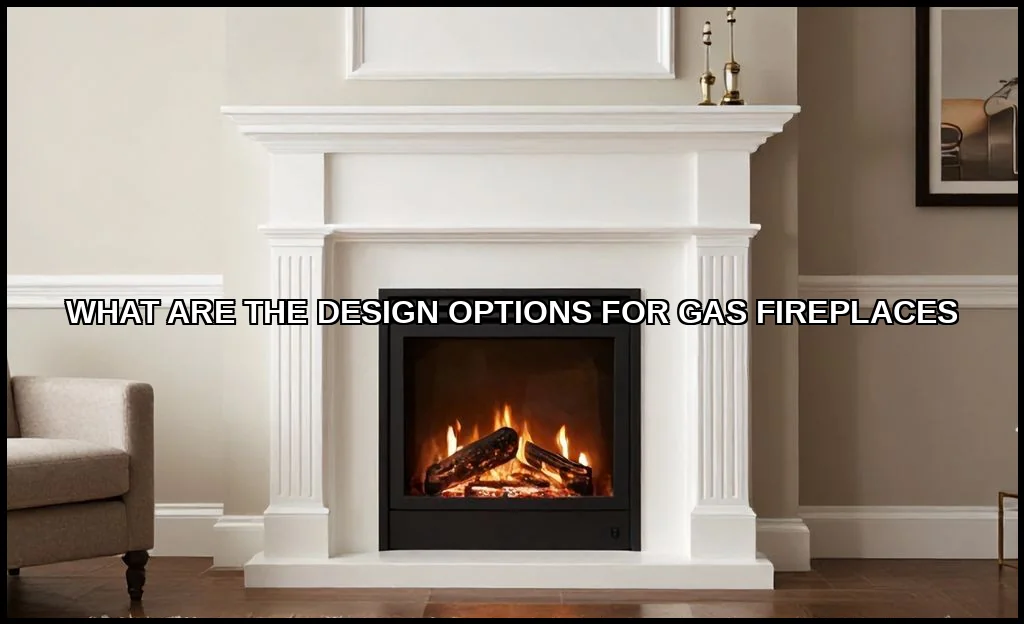
Gas Fireplace Design: Where Form Meets Function
Modern gas fireplaces are marvels of engineering and design. They offer the ambiance of a traditional fire with unparalleled convenience. Your journey starts with understanding the three primary product categories. Each serves a different purpose and fits a specific type of installation.
Core Types: Inserts, Log Sets, and Built-Ins
This is your first major fork in the road. Your existing space dictates the best path forward.
- Gas Fireplace Inserts: Designed to slide into an existing wood-burning fireplace. They are a sealed combustion system, dramatically improving efficiency. Inserts are the ultimate retrofit solution, transforming a drafty old hearth into a powerful, clean heat source.
- Gas Log Sets: These are the simplest option. They consist of ceramic logs and a burner that sit inside your existing fireplace opening. The key decision here is the difference between vented and ventless gas log sets. Vented sets require the chimney to be open for exhaust, offering a more realistic look but lower efficiency. Ventless sets burn extremely cleanly and don’t require a chimney, making all the heat stay in the room.
- Built-In Gas Fireplaces (Zero-Clearance): These are complete units installed in new construction or during a major remodel. They can be framed into a wall, creating a sleek, custom look. The popular linear gas fireplace falls into this category, offering a wide, low-profile flame perfect for contemporary spaces.
Venting Options: The Engine Behind the Scenes
How the fireplace breathes is critical for safety, efficiency, and placement. The venting type is often tied to the fireplace model itself.
Direct Vent: The Efficiency Standard
Direct Vent fireplaces are the most common and highly recommended type for primary heating. They use a sealed coaxial pipeone pipe inside another. The inner pipe exhausts combustion gases directly outside, while the outer pipe draws fresh air for combustion from outside. This sealed system is incredibly efficient, prevents indoor air quality issues, and allows for flexible installation on interior or exterior walls.
Vent-Free (Ventless): Maximum Heat, Specific Rules
A Vent-Free fireplace, as the name implies, requires no chimney or flue. It burns gas so cleanly that the byproducts are considered safe for indoor release in most codes. Nearly 100% of the heat stays in your room. However, they are not legal in all areas (like California and Canada) and often have strict sizing requirements relative to room volume and mandatory oxygen depletion sensors. They are excellent for supplemental heat in well-ventilated spaces.
B-Vent: The Traditional Route
B-Vent systems rely on natural draft up a chimney or flue. They use indoor air for combustion and are generally less efficient than direct vent models. They are often used with gas log sets in existing masonry fireplaces. Their performance can be affected by home pressure and wind conditions.
When considering what is the most efficient gas fireplace design, a Direct Vent insert or built-in unit consistently wins. Its sealed combustion is key. For a deep dive on heating efficiency from another angle, check out the pros and cons of different electric systems.
Aesthetic Design Choices: Creating Your Look
This is the fun part. Once you know the type and venting, you can focus on style. Your choices in surrounds, media, and framing define the visual impact.
Fireplace Styles: From Traditional to Linear
Traditional fireplace design often features ornate fireplace mantels and detailed fireplace surrounds in wood, stone, or marble. Think classic elegance. A modern gas fireplace trend leans toward minimalism. Clean lines, floating hearths, and minimalist surrounds are key. The linear fireplace is the poster child for this look, often using a long, narrow aperture.
Materials and Media
The material of your surround and hearth sets the tone. Popular choices include:
- Stone or Tile: Offers texture and timelessness. Stacked stone gives a rustic feel, while large-format porcelain tile is sleek and modern.
- Wood Mantels: A painted or stained wood mantel adds warmth and can bridge traditional and contemporary styles.
- Metal: Brushed nickel, black steel, or corten steel surrounds create an industrial or ultra-modern statement.
Beyond logs, firebox media has exploded with options. Consider glass crystals, river rock, ceramic driftwood, or even abstract vermiculite. These elements let you customize the color and texture of the “fuel” bed. What are the best materials for a modern fireplace surround? Durable, cleanable materials like porcelain, quartz, or matte-finished metal often lead the list.
Framing and Integration
How you frame the unit is crucial. A built-in can be flush with the wall, deeply recessed, or even installed in a freigning peninsula. For a linear model, a common question is, can you customize the size of a linear gas fireplace? While the firebox unit itself comes in set widths (e.g., 36″, 48″, 72″), the visible opening can be extended with non-combustible filler panels on the sides to create a longer linear effect within a custom surround.
Planning and Installation Considerations
Dreaming is essential, but planning is mandatory. A successful installation hinges on a few non-negotiable factors.
Heat Output and Placement
Match the fireplace’s BTU Output to your space. Too low, and it won’t heat effectively. Too high, and it will cycle on and off inefficiently and make the room uncomfortably hot. Consider the room’s insulation, ceiling height, and open floor plan layout. Placement affects heat distribution and viewing pleasure. It also determines gas line and electrical access.
Professional Installation is Key
Gas line work, venting, and framing require licensed professionals. A certified technician will ensure proper combustion, venting clearances, and gas pressure. This isn’t a DIY project. For complex installations, referencing an authority guide on options is wise, but always defer to local code and your installer’s expertise.
Codes, Permits, and Clearances
Your local building department will have specific requirements for gas appliance installation. Permits are almost always required. The fireplace manufacturer’s manual specifies non-combustible clearance distances to framing, mantels, and flooring. Ignoring these is a serious fire hazard. Understanding your local rules is as important as knowing what safety standards apply to other home systems.
| Feature | Direct Vent | Vent-Free | B-Vent |
|---|---|---|---|
| Efficiency | High (70-85%) | Very High (~99%) | Low to Moderate (50-70%) |
| Installation Flexibility | High (interior/exterior walls) | Highest (no vent needed) | Low (requires vertical chimney) |
| Indoor Air Impact | None (sealed system) | Potential moisture/air quality concerns | Uses indoor air, can create drafts |
| Best For | Primary heating, bedrooms, airtight homes | Supplemental heat, well-ventilated large spaces | Retrofits where a chimney exists |
The right gas fireplace blends seamlessly with your life and your style. Start with your room’s purpose and existing structure. Choose the core type and venting that matches your efficiency and safety needs. Then, unleash your creativity with surrounds, media, and framing. The result is more than heat. It’s the heart of your home, designed exactly as you imagined.
