You turn on the burner and notice the flame flickers unevenly. Maybe it’s yellow at the tips, or the pan takes twice as long to boil water. That’s not just annoying — it’s wasting gas and leaving soot on your cookware. Most homeowners clean the stovetop now and then, but real efficiency comes from maintenance that targets the burner itself, the air mixture, and the buildup you can’t see.
This article walks you through twelve practical steps to restore and sustain peak performance from your gas stove. You’ll learn how to clean burner ports properly, adjust the flame, tackle stubborn grease, and prevent costly repairs. No vague advice — just concrete numbers and techniques you can use today.
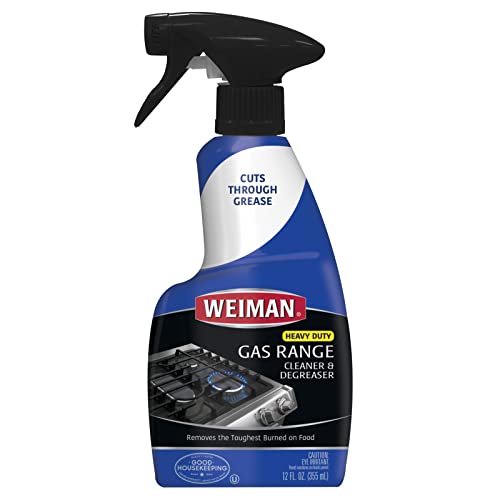
Weiman
Weiman Gas Range Cleaner and Degreaser, Single,…
- Powerful Gas Range Cleaner & Degreaser: Dissolves cooked-on, stubborn splatter, grease and food messes and gives your gas range a…
- Removes Tough Grease and Burned-On Foods: Formulated with a blend of cleaners and degreasers that work effectively and make degrea…
- Multiple Uses: Specially formulated to clean and shine gas ranges, stovetops, knobs, drip pans, grates, gas BBQ grill grates, and…
One product I reach for regularly is the Weiman Gas Range Cleaner and Degreaser. It cuts through baked-on grease without the harsh chemical smell. A single spray will dissolve crusted splatter on grates, drip pans, and even the glass on induction tops. You can find it on Amazon and it’s worth keeping under the sink.
1. Clean Burner Caps and Ports the Right Way

Clogged burner ports are the number one cause of uneven flames. Over time, food particles, grease, and detergent residue block the tiny holes. A burner that looks clean on top can still be half plugged underneath.
Step 1: Remove everything. Lift off the grates, burner caps, and burner heads (if they come off). Most gas stoves let you lift the entire burner assembly. Check your manual — if it’s stuck, wiggle gently.
Step 2: Soak in hot, soapy water. Fill your sink or a large tub with dish soap and hot water. Submerge the burner caps and heads for at least 30 minutes. For heavy buildup, let them soak overnight.
Step 3: Scrub with a soft brush. Use a nylon brush or an old toothbrush. Never use steel wool — it scratches the metal and can leave particles that clog the ports. Rinse thoroughly and dry completely before reinstalling.
Step 4: Clear individual ports. For stubborn clogs, use a paperclip or a specialized burner cleaning tool. Push it gently through each hole. Don’t use a toothpick; it can break off inside. Do this every three to six months depending on how often you cook.
Pro tip: If your burner ports are tiny slits (common on sealed burners), a straight pin works better than a paperclip.
2. Adjust the Burner Flame for Optimal Efficiency
A gas stove flame should be blue with a sharp inner cone. Yellow or orange tips mean incomplete combustion — that’s wasted gas and extra carbon monoxide. A floating, lifting flame means the air mixture is too rich.
Check the air shutter. Most burners have an adjustable air shutter near the gas inlet. You’ll see a metal collar with a screw. Loosen the screw and rotate the shutter to let in more or less air. The goal: a steady blue flame about 1/2 to 3/4 inch high on low setting.
Test after each adjustment. Light the burner, let it stabilize for 30 seconds, then examine the flame. Repeat until the flame is even and blue. This takes maybe five minutes per burner — and it saves you money every time you cook.
Pro tip: If the flame is yellow even after adjusting the shutter, the burner isn’t the issue — the gas orifice could be clogged. That’s a deeper job; call a professional.
For general safety, regular checks on your entire gas system are smart. Good gas furnace maintenance follows similar logic: keep air paths clear and burners clean.
3. Deep Clean the Stovetop and Grates
Surface cleaning with a damp rag only pushes grease around. To actually remove the baked-on layer, you need a degreaser that can sit and soften the grime.
Weiman Gas Range Cleaner works well here. Spray it on the cool surface, let it sit for a few minutes (up to 30 for really charred spots), then wipe with a damp paper towel. The lemon scent is mild, not overpowering. I’ve used it on porcelain grates, stainless steel burner caps, and even ceramic bakeware — no damage.
For drip pans: Remove them and spray liberally. Let them soak in a plastic bag for an hour. Then scrub with a non-abrasive sponge. Rinse and dry.
For control knobs: Pull them off and soak in warm soapy water. Don’t submerge the stem area of the knob — you don’t want water inside the valve. Let them air dry completely before pushing back on.
Pro tip: Never use oven cleaner on gas range parts. The caustic chemicals can eat through aluminum burner caps and leave a residue that affects combustion.
4. Preventive Maintenance and Safety Checks
Efficiency isn’t just about cleaning — it’s also about catching small problems before they become big ones.
- Check gas connections once a year. Apply a 50/50 dish soap and water mixture to the hose and connection points. If you see bubbles, there’s a leak. Tighten the fitting or call a pro.
- Inspect igniters. If the burner clicks but doesn’t light, the igniter might be dirty or broken. Wipe it with a dry cotton swab. If that fails, replace the igniter.
- Keep the area around the stove clear. Plastic utensils, paper towels, or cloth can melt or catch fire if they touch a hot burner.
- Test for carbon monoxide. If you smell gas or get headaches while cooking, buy a CO alarm for your kitchen. It’s cheap insurance.
If you’re thinking of upgrading your stove or adding a new gas appliance, it helps to check choosing gas stove size first — the right size matters for both heating and cooking efficiency.
Comparison: Cleaning Methods for Gas Stoves
| Method | Best For | Time Required | Pros | Cons |
|---|---|---|---|---|
| Hot soapy water + brush | Burner caps, grates | 30 min soak + 5 min scrub | Cheap, safe for all metals | Doesn’t dissolve baked-on carbon well |
| Weiman Gas Range Cleaner | Stovetop, drip pans, glass | 5–30 min dwell + wipe | Cuts grease fast, low odor, safe on most surfaces | Costs more than dish soap |
| Baking soda + vinegar | Light grease, glass tops | 10 min paste + 5 min scrub | Non-toxic, cheap | Weak on stubborn char, can scratch if not dissolved fully |
| Ammonia soak (garage only) | Heavily crusted grates | Overnight in sealed bag | Loosens hardest grease | Strong fumes, must work outside, not for aluminum |
Frequently Asked Questions
How often should I clean my gas stove burner ports?
At least every three months for regular home cooks. If you cook with a lot of oil or use high heat daily, bump that to every six weeks. A quick visual check: if flames look uneven or lift off the burner, clean the ports immediately.
Why is my gas stove flame yellow?
Yellow flames mean incomplete combustion. The usual causes are a clogged burner port, a dirty air shutter, or wrong gas pressure (rare). Start by cleaning the burner ports and adjusting the air shutter. If that doesn’t fix it, call a technician — you could have a gas orifice issue.
Can I use oven cleaner on my gas stove grates?
No. Oven cleaner contains lye, which eats through aluminum and can damage enamel coatings. Stick to a dedicated gas range cleaner or a mild degreaser. For cast iron grates, use warm soapy water and dry them immediately to prevent rust.
What’s the best way to clean a glass gas stove top?
Use a cleaner specifically for ceramic or glass cooktops. Weiman’s gas range cleaner works fine on glass too — just spray, let it sit, wipe. Avoid abrasive pads. For burned-on sugar or plastic spills, use a razor scraper held at a 45-degree angle while the surface is cool.
Should I clean the igniter area with water?
No. Water can short the ignition system. Use a dry cotton swab or a soft brush to dislodge crumbs. If the igniter is greasy, dab it with rubbing alcohol on a swab and let it dry completely before using the burner.
What You Should Walk Away With
- Clean burner ports every 3 months with a paperclip — not a toothpick or wire brush.
- Adjust the air shutter so the flame is blue and about 1/2 inch tall on low.
- Use a dedicated degreaser like Weiman on grates and stovetop; avoid oven cleaner.
- Soak drip pans in a plastic bag with degreaser for easier cleanup.
- Check gas connections annually with soapy water to spot leaks early.
- Keep a carbon monoxide detector near the kitchen if you use gas.
- Replace burner caps if they’re warped — they won’t seal properly and waste gas.
For extra safety and efficiency, give your entire gas supply system a look. The same maintenance mindset that keeps your stove running well applies to other appliances — gas heater upkeep follows many of the same principles.

HeaterGuides covers home heating, water heating and HVAC: how the equipment works, what it costs to run, and how to use it safely.